

Everything You Need to Know About Dielectric (Hipot) Testing
Learn what a dielectric test (Hipot test) is, how it works, and why it is essential for electrical insulation safety. Discover the difference between dielectric testing and Megger insulation testing, common applications, safety standards, and FAQs for transformers, cables, motors, and switchgear.
Worried about hidden insulation defects in your electrical equipment? Ignoring them can cause sudden failures, safety hazards, and costly downtime. Dielectric testing is your best defense.
Dielectric tests, also called Hipot tests, apply a high voltage to electrical insulation to ensure it can safely handle operational stress. This guide explains dielectric testing, how it differs from other tests, and why it’s essential for engineers, technicians, and maintenance teams.
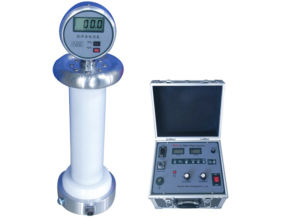
Click the image to know more about DC Withstand Voltage Tester.
What is a Dielectric Test?
A dielectric test checks the insulation of electrical equipment by applying voltages higher than normal operating conditions. This ensures that the insulation has no weak points like cracks, pinholes, or poor clearances that could fail under normal use.
Key points:
- Also called Hipot test, dielectric withstand test, or insulation strength test.
- Non-destructive for healthy insulation; identifies weak insulation before failures.
- Commonly used on cables, transformers, motors, and switchgear.
What Does “High Dielectric” Mean?
A high dielectric means a material has strong electrical insulation properties, capable of withstanding high voltages before breaking down.
Examples of dielectric strength:
| Material | Dielectric Strength (kV/mm) | Common Use |
|---|---|---|
| Air | ~3 | Open-air switchgear |
| Transformer Oil | 15–25 | Transformers and breakers |
| Porcelain | 12–20 | HV transmission insulators |
| Mica | 40–120 | High-temp motors and capacitors |
| XLPE Cable | 20–40 | Medium/high-voltage power cables |
A strong dielectric prevents arcing and ensures safe operation of equipment.
How is a Dielectric Test Different From an Insulation Test?
Many confuse dielectric tests with insulation resistance tests (Megger tests). The difference is critical:
| Feature | Insulation Resistance (Megger) | Dielectric (Hipot) Test |
|---|---|---|
| Purpose | Measures insulation health over time | Confirms insulation can handle high voltage |
| Type | Measurement test | Stress test |
| Voltage | 500V – 10kV DC | 1kV – 100kV AC/DC |
| Result | Numeric value (e.g., 2 GΩ) | Pass/Fail |
| Application | Preventive maintenance | QA, commissioning, safety verification |
Think of Megger tests like blood pressure checks for insulation. Dielectric tests are more like stress tests, intentionally pushing insulation to its limits.
Is Dielectric Testing Destructive?
No—if insulation is healthy, dielectric testing is non-destructive.
- Test voltage is above normal but below breakdown voltage for good insulation.
- If the insulation is weak or faulty, the test safely reveals defects before real-world failures.
- Properly performed, Hipot tests protect both equipment and users.
Is a Megger a Dielectric Test?
No. While a Megger measures insulation resistance, a dielectric test (Hipot) applies high voltage stress to test insulation strength. Both are complementary: Megger tracks health, Hipot confirms safety.
When to Use Each:
| Scenario | Recommended Test | Why |
|---|---|---|
| New cable installation | Dielectric test | Confirms insulation wasn’t damaged |
| Annual transformer maintenance | Megger test | Monitors aging or moisture |
| Production line QA/QC | Dielectric test | Ensures safety compliance |
| Troubleshooting equipment | Both | Megger for faults, Hipot for weak points |
What Are Other Names for a Dielectric Test?
Dielectric testing is known by several names depending on region or standards:
- Hipot test (High Potential Test) – common in North America
- Dielectric withstand test – used in IEC/IEEE standards
- Insulation strength test – clear, simple term
Knowing these terms ensures effective communication in technical documents and training.
FAQs About Dielectric Testing
Q: Can a dielectric test prevent catastrophic failures?
A: Yes. It reveals hidden defects that could cause arcing, short circuits, or equipment breakdown.
Q: Is dielectric testing safe for all types of equipment?
A: When conducted according to standards, it’s non-destructive for good insulation.
Q: How long does a dielectric test take?
A: Typically 60 seconds, depending on standards and equipment.
Q: Should I perform a dielectric test instead of a Megger test?
A: No. Use both: Megger for ongoing insulation health, dielectric for safety verification.
Conclusion
Dielectric tests (Hipot tests) are essential for ensuring insulation integrity and equipment safety. Unlike insulation resistance tests, they actively stress insulation to reveal weaknesses. By incorporating both tests into maintenance and QA routines, you prevent hidden failures, improve reliability, and maintain compliance with safety standards.
