

Electrical Data Logger Guide 2026 | Power Monitoring, Energy Analysis & Data Logging
Learn how electrical data loggers measure voltage, current, power, and energy consumption. Compare top power monitoring devices, explore industrial applications, understand power quality analysis, and discover how data loggers improve energy efficiency and reduce operational costs.
What Is an Electrical Data Logger?
An electrical data logger is a device that records voltage, current, power, and energy over time. It helps analyze power usage, detect electrical faults, optimize energy efficiency, and maintain compliance in industrial and commercial applications.
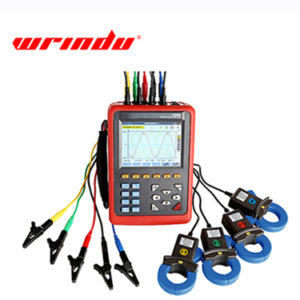
Click the image to know more about Wrindu Power Quality Analysis Testers.
Why Is the Market for Electrical Data Loggers Growing?
Demand for electrical data loggers is increasing due to:
- Renewable energy integration
- Smart grid expansion
- Need for energy efficiency and power quality analysis
Wireless and battery-powered loggers allow remote monitoring, while AI-enabled models detect anomalies in energy consumption, making them essential for substations, manufacturing plants, and solar or wind farms.
Which Electrical Data Loggers Are Popular Today?
Here are some top-performing models:
| Model | Key Features | Ratings | Use Cases |
|---|---|---|---|
| Fluke 1740 | Three-phase logging, automatic reports, rugged | 4.8 | Substation audits, load studies |
| Hioki LR8450 | Multi-channel logging, expandable sensors | 4.7 | Industrial motors, renewable sites |
| Onset HOBO UX120 | Compact, USB connectivity, affordable | 4.6 | Building audits, HVAC monitoring |
| Datataker DT80 | Modbus support, high-speed sampling, programmable alarms | 4.9 | Multi-circuit monitoring, research labs |
| AEMC PEL 105 | Non-invasive sensors, harmonic analysis, cloud upload | 4.7 | Commercial facilities, fault diagnostics |
How Do Electrical Data Loggers Differ From Each Other?
They differ in:
- Number of channels (2–10+)
- Accuracy (±0.05% to ±0.5%)
- Battery life (days to months)
- Wireless capability
- Price
Advanced multi-channel loggers like Datataker DT80 are suitable for complex monitoring, while portable models like HOBO simplify spot checks.
What Technology Powers Electrical Data Loggers?
Modern loggers use:
- High-resolution ADCs for accurate voltage and current readings
- Clamp-on sensors for non-invasive measurement
- True RMS calculation
- High sampling rates (up to 10 kHz) for harmonic analysis
- Integrated memory with USB, Ethernet, or 4G connectivity
- GPS timestamping for multi-site synchronization
These features ensure accurate, safe, and detailed data collection.
How Do You Choose the Right Electrical Data Logger?
Consider these factors:
- Single-phase vs. three-phase measurement
- Number of channels needed
- Sampling interval (1 second to 24 hours)
- kWh, demand, or power logging requirements
- Calibration and environmental protection (weatherproof enclosures)
Portable loggers suit spot checks, while fixed units are better for continuous energy audits.
What Are Real-World Benefits of Using Electrical Data Loggers?
- Manufacturing plants can detect voltage sags and reduce production losses
- Buildings can identify phantom loads and lower utility bills
- Solar farms can optimize inverter performance for better ROI
- Substations can prevent outages and reduce downtime
These applications improve efficiency, reduce costs, and ensure reliable operations.
What Future Trends Are Shaping Electrical Data Loggers?
- AI-enabled predictive maintenance
- Edge computing for real-time alerts
- IoT integration with SCADA systems
- Sustainable designs with recyclable batteries
- EV charging station monitoring
- Blockchain-secured data logging for audits
Frequently Asked Questions About Electrical Data Loggers
Q: How does an electrical data logger work?
A: Sensors record voltage, current, and power at set intervals, storing the data for analysis on software platforms.
Q: Can electrical data loggers monitor harmonics?
A: Yes. Advanced power quality loggers can measure total harmonic distortion (THD) up to high harmonics.
Q: What industries benefit most from data loggers?
A: Utilities, manufacturing, commercial buildings, renewable energy sites, and research labs use data loggers extensively.
Q: What is the best data logger for three-phase systems?
A: Multi-channel loggers like Fluke 1740 or Hioki LR8450 provide accurate three-phase voltage and current monitoring.
Q: Can data loggers operate wirelessly?
A: Yes. Wireless loggers are ideal for remote monitoring, solar farms, and wind turbine installations.
Q: How often should a data logger be calibrated?
A: Annual calibration is recommended to ensure accurate and reliable power measurements.
Q: What is the ROI of using electrical data loggers?
A: Users typically see cost savings from reduced energy use, preventive maintenance, and optimized power systems, often paying back within the first year.
Q: How do AI-powered data loggers improve efficiency?
A: They detect anomalies, predict faults, and alert operators to potential issues before downtime occurs.
