

How Does Resistivity Measurement Affect Test Accuracy in Electrical Materials
Learn how resistivity measurement impacts electrical test accuracy. Explore material resistivity, temperature effects, measurement methods, four-point probe testing, Kelvin bridge techniques, and best practices for reliable electrical diagnostics.
Resistivity measurement is a fundamental part of material science, electrical engineering, and power system diagnostics. Whether testing conductive metals, semiconductors, or insulating materials, understanding resistivity and temperature effects is essential for obtaining accurate results.
By measuring resistivity correctly, engineers can evaluate how efficiently a material conducts electricity and how its performance changes under different environmental conditions. From copper and aluminum conductors to advanced polymers and ceramics, resistivity data plays an important role in product development, quality control, and fault analysis.
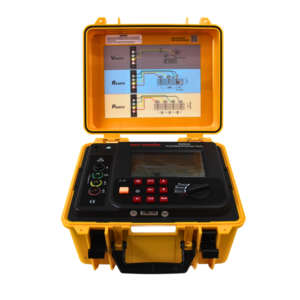
Click the picture to know more about Wrindu Earth Resistance Tester.
What Is Resistivity and Why Is It Important?
Resistivity is a material property that describes how strongly a material opposes the flow of electric current.
It is measured in ohm-meters (Ω·m) and depends on the material itself rather than its shape or size.
The resistivity formula is:
\rho=R\frac{A}{L}
Where:
- ρ = Resistivity
- R = Resistance (Ω)
- A = Cross-sectional area
- L = Length
Materials with lower resistivity conduct electricity more easily.
For example:
- Copper has a resistivity of approximately 1.68 × 10⁻⁸ Ω·m
- Aluminum also has low resistivity
- Silicon has much higher resistivity than metals
- Insulating materials have extremely high resistivity
Because resistivity reflects a material’s electrical behavior, it is widely used in electrical testing and material evaluation.
How Does Temperature Affect Resistivity Measurements?
Temperature is one of the most important factors influencing resistivity measurements.
As temperature rises, most metals experience an increase in resistivity because atomic vibrations make it harder for electrons to move through the material.
This relationship is described by the Temperature Coefficient of Resistance (TCR).
Materials with a positive temperature coefficient include:
- Copper
- Aluminum
- Silver
- Gold
For these materials, resistance increases as temperature rises.
Some materials have a negative temperature coefficient, including:
- Carbon
- Thermistors
In these materials, resistance decreases when temperature increases.
Accurate temperature compensation is essential when comparing laboratory measurements with field testing results.
Why Does Material Resistivity Influence Test Results?
Even small changes in resistivity can affect electrical measurements.
In power equipment, current flow generates heat, which changes conductor resistance and can influence:
- Voltage drop
- Current distribution
- Load performance
- Diagnostic results
In high-voltage systems, temperature-related resistivity changes can affect:
- Insulation resistance measurements
- Dielectric performance
- Equipment efficiency
- Fault detection accuracy
For this reason, engineers often use temperature correction methods and Kelvin measurement techniques to improve accuracy.
How Can Resistivity Be Measured Accurately?
Different materials require different measurement methods.
The most common resistivity testing techniques include:
Four-Point Probe Method
This method is widely used for:
- Semiconductors
- Thin conductive films
- Electronic materials
Because separate probes carry current and measure voltage, contact resistance errors are minimized.
Two-Point Measurement Method
Suitable for:
- Electrical wires
- Metal conductors
- General resistance measurements
While simple and inexpensive, it is more sensitive to contact resistance errors.
Kelvin Bridge Method
This method provides extremely accurate measurements for low-resistance materials.
Typical applications include:
- Busbars
- Connectors
- Transformer windings
- High-current conductors
Guarded Electrode Method
Used primarily for insulating materials such as:
- Plastics
- Ceramics
- Composite insulation materials
This method helps measure surface resistivity and volume resistivity while reducing leakage current effects.
Why Is Temperature Coefficient Important in Electrical Engineering?
The temperature coefficient affects electrical performance, stability, and reliability.
In power systems, higher resistivity leads to:
- Increased heat generation
- Higher energy losses
- Reduced efficiency
In precision electronics, stable resistivity is essential for maintaining accurate measurements and circuit performance.
Engineers often use low-temperature-coefficient alloys such as:
- Constantan
- Manganin
These materials maintain nearly constant resistance over a wide temperature range and are commonly used in:
- Precision resistors
- Measurement bridges
- Strain gauges
- Calibration equipment
How Is Resistivity Measurement Used in Modern Industries?
Resistivity testing is important across many industries.
Major applications include:
Power Generation and Transmission
Engineers verify conductor quality and evaluate equipment performance.
Semiconductor Manufacturing
Surface resistivity measurements help identify defects before production.
Battery and Energy Storage Systems
Resistivity analysis improves electrode design and battery efficiency.
Renewable Energy Projects
Solar panels and energy storage systems rely on accurate material characterization.
Research and Development
Scientists use resistivity testing to evaluate new materials and improve product performance.
As industries adopt smarter testing systems, automated resistivity measurement with temperature compensation is becoming increasingly common.
How Do Different Resistivity Measurement Methods Compare?
| Method | Material Type | Accuracy | Common Error Source | Typical Application |
|---|---|---|---|---|
| Four-Point Probe | Thin films, semiconductors | High | Probe spacing, temperature drift | Semiconductor wafers |
| Two-Point Method | Wires and conductors | Moderate | Contact resistance | Cable testing |
| Kelvin Bridge | Low-resistance metals | Very High | Thermal EMF | Busbars and connectors |
| Guarded Electrode | Insulating materials | High | Leakage current | Plastics and ceramics |
Selecting the correct method is essential for obtaining reliable results.
What Are Real-World Examples of Resistivity Testing Benefits?
Many industries achieve significant improvements through accurate resistivity measurement.
Examples include:
Transformer Manufacturing
Precise resistivity testing improves winding quality and can reduce power losses by up to 15%.
Semiconductor Production
Surface resistivity mapping helps detect defects before fabrication, reducing costly rework.
Research Laboratories
Temperature-controlled resistivity systems can maintain measurement accuracy within 0.1%.
Industrial Maintenance
Regular resistivity testing helps identify equipment deterioration before failures occur.
These benefits often provide a strong return on investment within the first year of implementation.
How Does Temperature Affect Conductors and Insulators Differently?
Conductors and insulators respond differently to temperature changes.
Conductors
Materials such as:
- Copper
- Silver
- Aluminum
- Nickel
- Brass
usually show increased resistivity as temperature rises.
Insulators
Materials such as:
- Teflon
- Mica
- Certain polymers
often experience lower resistivity as temperature increases because electron mobility improves.
Understanding these differences helps engineers design reliable electrical systems under varying operating conditions.
What Are the Latest Trends in Resistivity Measurement Technology?
Modern resistivity testing is becoming more automated and intelligent.
Current developments include:
- AI-assisted temperature compensation
- Automated micro-ohmmeters
- Real-time data logging
- Cloud-based diagnostics
- Smart material analysis platforms
These technologies improve testing efficiency while reducing human error.
What Does the Future of Resistivity Measurement Look Like?
Future testing systems will combine high-precision sensors with advanced software.
Emerging technologies include:
- AI-driven error correction
- Automated temperature compensation
- Smart material databases
- Graphene-based measurement applications
- Digital twin testing platforms
As industries move toward greener energy systems and digital automation, accurate resistivity characterization will become even more important.
FAQs About Resistivity Measurement and Temperature Effects
Q1: What is the difference between resistivity and resistance?
A: Resistivity is an inherent material property, while resistance depends on both the material and the physical dimensions of the conductor.
Q2: Why does temperature affect resistivity measurements?
A: Temperature changes alter electron movement and atomic vibration, causing resistance values to increase or decrease depending on the material.
Q3: Which materials have the lowest resistivity?
A: Silver, copper, and aluminum are among the best electrical conductors because they have very low resistivity values.
Q4: Why is resistivity testing important in electrical engineering?
A: It helps engineers evaluate conductor performance, insulation quality, energy efficiency, and overall system reliability.
Q5: What is the most accurate method for measuring low resistance materials?
A: The Kelvin Bridge and four-wire measurement methods provide the highest accuracy for low-resistance measurements.
Q6: How does a four-point probe reduce measurement errors?
A: It separates current injection and voltage measurement, eliminating most contact resistance effects.
Q7: Why is temperature compensation necessary during resistivity testing?
A: It ensures consistent and comparable results when measurements are taken under different environmental conditions.
Q8: Can resistivity measurements help detect electrical faults?
A: Yes. Changes in resistivity often indicate material degradation, overheating, corrosion, or connection problems.
Q9: Which industries rely heavily on resistivity measurement?
A: Power utilities, semiconductor manufacturers, battery producers, renewable energy companies, and research laboratories all depend on accurate resistivity testing.
Q10: How will AI improve future resistivity measurement systems?
A: AI can automatically correct temperature effects, identify abnormal trends, improve diagnostic accuracy, and reduce testing time.
