

Can an Insulation Resistance Tester Measure Different Insulation Materials?
Learn how one insulation resistance tester can measure different materials like polyethylene, rubber, paper, and varnish. Discover test methods, voltage settings, and key features for multi-material insulation testing.
Ensuring the safety and reliability of electrical systems requires high-quality insulation. But can you use a single insulation resistance tester for different types of insulation materials?
The short answer is yes. A high-quality insulation resistance tester is a versatile tool capable of evaluating many different materials. Here is a clear guide on how these testers work across various materials and why this matters for manufacturers and engineers.
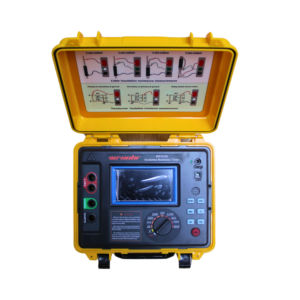
Click the image to know more about Wrindu IR Tester.
How Does an Insulation Resistance Tester Work on Different Materials?
An insulation resistance tester works by applying a high DC voltage to the insulation material. It then measures the resulting leakage current to calculate the resistance value.
Different materials—such as rubber, plastic, paper, or varnish—have unique electrical properties. The tester captures these variations, helping operators detect internal defects, cracks, moisture, or contamination. For original equipment manufacturers (OEMs), this measurement is essential to guarantee product quality before shipment.
What Types of Insulation Materials Can You Test?
Modern testers can accurately measure a wide range of common electrical insulating materials. These include:
-
Polyethylene: Commonly used in cable insulation.
-
Silicone Rubber: Used for wire coatings and transformer resins.
-
Paper & Cellulose: Frequently found in transformer insulation layers.
-
Varnishes: Typically applied to motor winding insulation.
Each material behaves differently under electrical stress, meaning the tester must adapt to specific testing protocols.
Which Features Make a Tester Suitable for Multi-Material Measurement?
To accurately test diverse materials, an insulation resistance tester needs specific technical capabilities. Look for these essential features:
-
Variable Voltage Output: Allows you to adjust the voltage level based on the material’s sensitivity.
-
Precise Leakage Detection: Measures micro-amp current deviations accurately.
-
Customizable Test Duration: Lets you set specific testing times required by different standards.
-
Data Storage and Digital Displays: Helps track, save, and analyze test results easily.
Does the Material Type Affect Your Test Settings?
Yes, the type of material directly impacts your testing process. Different materials require different test voltages and have different expected resistance ranges.
For example, high-resistance plastics like polyethylene typically demand higher test voltages ($250\text{ V}$ to $1000\text{ V}$) to get an accurate reading. On the other hand, delicate materials like thin varnishes require lower, gentler voltages to avoid causing permanent dielectric damage. Using adjustable testers ensures you get accurate results without damaging the component.
Why Is Multi-Material Testing Important for Manufacturers?
For B2B factories, quality control engineers, and wholesale suppliers, testing various materials is critical for several reasons:
-
Early Defect Detection: It identifies insulation degradation or manufacturing flaws early, preventing costly product recalls and warranty claims.
-
Standard Compliance: It ensures products meet global industry standards set by organizations like ISO, IEC, and IEEE.
-
Supply Chain Trust: Maintaining rigorous testing schedules builds confidence with global clients and certifies long-term product durability.
Frequently Asked Questions (FAQs)
Can one insulation resistance tester work for multiple materials?
Yes. As long as the tester features adjustable voltage outputs and customizable settings, you can use it to measure different insulation types safely and accurately.
What is the ideal voltage range for testing different insulation materials?
The most common test ranges run from $250\text{ V}$ to $1000\text{ V}$. The specific voltage depends entirely on the material’s thickness, type, and sensitivity.
How does moisture affect the insulation resistance reading across materials?
Moisture and contamination significantly increase the leakage current. When a tester detects a spike in leakage current (and a drop in resistance), it usually indicates that moisture has compromised the insulation layer.
When should you perform insulation resistance testing during production?
Testing should be conducted at multiple stages: during the initial production phase, right before equipment commissioning, and at regularly scheduled maintenance intervals.
