

What Causes High Ground Resistance and How Can Engineers Reduce It?
Discover the common causes of high ground resistance and learn effective methods to reduce grounding resistance, improve electrical safety, and maintain reliable grounding systems.
Why Does Ground Resistance Increase Over Time?
A grounding system is designed to provide a low-resistance connection between electrical equipment and the earth.
However, ground resistance values may increase during long-term operation because environmental conditions and equipment aging continuously affect grounding performance.
High ground resistance can reduce protection effectiveness and increase electrical safety risks.
Understanding the causes of high grounding resistance helps engineers maintain reliable electrical systems.
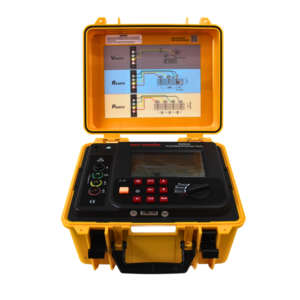
Click the picture to know more about Wrindu Earth Resistance Tester.
What Are the Main Causes of High Ground Resistance?
Several factors can increase grounding resistance.
Dry Soil Conditions
Soil moisture directly affects electrical conductivity.
When soil becomes dry:
- Current flow becomes more difficult
- Soil resistance increases
- Grounding performance decreases
This problem is common in areas with seasonal drought conditions.
Poor Soil Conductivity
Different soil types have different resistance characteristics.
Examples:
- Clay soil usually provides better conductivity
- Sandy soil often has higher resistance
- Rocky ground creates difficult grounding conditions
Corroded Ground Electrodes
Ground rods and buried conductors may corrode because of:
- Chemical reactions
- Moisture
- Soil conditions
Corrosion reduces effective contact between the electrode and earth.
Loose Ground Connections
Poor connections between grounding components can increase resistance.
Common problems include:
- Loose bolts
- Damaged connectors
- Oxidized contact surfaces
Insufficient Grounding Design
Some grounding systems may not provide enough electrode area or conductor capacity.
This can result in higher-than-expected resistance values.
How Does High Ground Resistance Affect Electrical Systems?
High grounding resistance may cause several problems.
Increased Electrical Safety Risk
During faults, excessive resistance may prevent fault current from flowing effectively.
This can increase:
- Touch voltage
- Step voltage
- Electric shock risk
Reduced Lightning Protection Performance
A high-resistance grounding path may reduce the effectiveness of lightning discharge systems.
Equipment Damage Risk
Poor grounding may affect sensitive electrical equipment, including:
- Transformers
- Switchgear
- Control systems
How Can Engineers Reduce Ground Resistance?
Several methods can improve grounding performance.
Add Additional Ground Electrodes
Installing more grounding electrodes increases contact area with the soil.
Increase Grounding Depth
Deeper electrodes may reach soil layers with better conductivity.
Improve Grounding Connections
Maintaining clean and tight connections reduces unnecessary resistance.
Use Ground Enhancement Materials
Special conductive materials can improve contact between electrodes and surrounding soil.
How Can Regular Ground Resistance Testing Prevent Problems?
Regular testing allows engineers to identify increasing resistance before failures occur.
Maintenance teams can compare:
- Current measurements
- Previous test records
- Design values
A gradual increase may indicate:
- Electrode corrosion
- Connection problems
- Soil condition changes
FAQs About High Ground Resistance Problems
What causes high ground resistance?
High ground resistance can be caused by dry soil, poor connections, electrode corrosion, unsuitable soil conditions, or incorrect grounding design.
How do you reduce grounding resistance?
Grounding resistance can be reduced by adding electrodes, improving connections, increasing electrode depth, or improving soil conductivity.
Why does grounding resistance change with seasons?
Seasonal changes affect soil moisture and temperature, which directly influence electrical conductivity.
Can corrosion increase ground resistance?
Yes. Corrosion reduces the effective contact area between grounding electrodes and soil, increasing resistance.
What is an acceptable ground resistance value?
The required value depends on system type, application, and electrical standards. Engineers should follow project-specific requirements.
