

How to Prepare a Transformer Oil Sample for BDV Testing
Learn how to collect, handle, and prepare transformer oil samples for BDV testing. Reduce contamination, air bubbles, and avoidable test variation.
Transformer oil breakdown voltage (BDV) testing measures the voltage at which insulating oil breaks down under specified test conditions. The result can help engineers assess the oil’s dielectric performance, but the measurement is only meaningful when the sample is collected and prepared correctly.
Moisture, dust, fibers, air bubbles, and contamination from sampling equipment can affect the result. A consistent sampling and preparation procedure helps reduce avoidable variation and makes test results easier to compare.
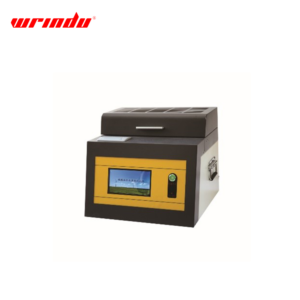
Click the image to know more about Wrindu Oil BDV Tester.
Why Is Sample Preparation Important for Transformer Oil BDV Testing?
Transformer oil BDV testing evaluates a small oil sample under controlled electrical conditions. Contamination or poor handling can change the conditions inside the test cell and influence the measured breakdown voltage.
For example, a sample contaminated by dust or water may produce a different result from the oil inside the transformer. Air bubbles introduced during filling may also affect the test.
Proper sample preparation helps distinguish possible oil deterioration from errors introduced during collection or testing. However, careful preparation does not replace other oil condition tests.
What Equipment Do You Need to Collect a Transformer Oil Sample?
The sampling equipment must be clean, dry, and compatible with the oil and the required sampling procedure.
| Item | Purpose | Key requirement |
|---|---|---|
| Suitable sample container | Holds the oil sample during transport | Clean, dry, compatible, and securely closed |
| Sampling connection or valve | Collects oil from the designated sampling point | Clean and suitable for the equipment |
| Clean transfer equipment | Transfers oil into the container or test cell | Must not introduce water, dust, fibers, or other contaminants |
| Labels and sampling records | Identify the sample and its origin | Record equipment ID, sampling point, date, and time |
| BDV test cell | Holds oil between the test electrodes | Clean, undamaged, and configured according to the selected test method |
The exact container type, sample volume, flushing procedure, and handling requirements depend on the applicable sampling standard and the test equipment manufacturer’s instructions. Do not assume that one container or sample volume is suitable for every oil test.
How Do You Collect a Transformer Oil Sample for BDV Testing?
A representative sample should reflect the oil condition at the specified sampling point. Poor sampling technique can introduce contamination or make the sample unrepresentative of the oil being investigated.
Step 1: Identify the sampling point.
Confirm the transformer identification, sampling valve, and purpose of the test. Follow the equipment owner’s safety procedure before opening any sampling connection.
Step 2: Prepare the sampling equipment.
Check that the container and transfer equipment are clean, dry, and suitable for the sample. Keep the container closed until it is needed.
Step 3: Prepare the sampling point.
Follow the approved procedure for cleaning the valve and handling any initial oil discharge. The required flushing method and amount depend on the sampling arrangement and applicable instructions.
Step 4: Collect the sample without introducing contamination.
Avoid contact between the oil and dirty surfaces. Prevent water, dust, cleaning residues, and fibers from entering the sample.
Step 5: Close and label the container.
Seal the container promptly and identify the equipment, sampling point, date, time, and relevant operating conditions. Record any unusual observations during collection.
Step 6: Transport the sample carefully.
Protect the container from leakage, contamination, and conditions that could alter the sample. Follow the applicable method for storage and the interval between collection and testing.
Sampling should be performed by personnel trained in the relevant electrical safety and oil-handling procedures. Transformer sampling may require additional precautions depending on the equipment design and operating condition.
How Should You Fill a BDV Test Cell Without Introducing Air Bubbles?
Air bubbles can create local electrical conditions that differ from those in the surrounding oil. Depending on the test conditions, they may influence the measured breakdown voltage.
Before filling the test cell, confirm that the vessel and electrodes are clean and that the electrode arrangement matches the selected test method.
Pour the oil slowly and carefully, following the instrument manufacturer’s filling instructions. Avoid vigorous shaking, splashing, and unnecessary agitation immediately before testing.
Some standards specify a settling period or other sample-conditioning steps. Use the procedure required by the selected standard rather than applying one universal waiting time.
How Can Moisture and Particles Contaminate a BDV Sample?
Moisture can enter a sample through wet containers, contaminated transfer equipment, or exposure to the surrounding environment. Water content and water distribution can influence the dielectric behavior of insulating oil.
Solid particles may come from dust, fibers, metal debris, dirty valves, or sampling equipment. Conductive particles can disturb the electric field and contribute to breakdown under some conditions.
Keep the container sealed when the sample is not being transferred. Do not reuse a container unless the approved cleaning and drying procedure makes it suitable for the intended test.
If contamination is suspected, document the issue and collect a new sample when appropriate. Do not treat a questionable result as a reliable representation of transformer oil condition without further investigation.
How Much Transformer Oil Is Needed for a BDV Test?
The required sample volume depends on the test cell design and the applicable test method. The sample must be sufficient to fill the cell correctly and complete the required measurement sequence.
Check the test instrument manual and the selected standard before collecting the sample. If the same sample will also be used for moisture, acidity, or other laboratory tests, confirm the separate volume and handling requirements for each test.
Do not assume that a volume suitable for one test is sufficient for every oil analysis method.
Which Standards Should You Follow When Preparing Oil Samples for BDV Testing?
IEC 60156 is a key international standard for determining the breakdown voltage of insulating liquids at power frequency. Sampling and handling must also follow the requirements specified by the applicable test method and laboratory procedure.
ASTM D923 covers sampling electrical insulating liquids. Its applicability and the current edition should be confirmed for the sampling task and relevant jurisdiction.
| Reference | General scope | How it relates to the work |
|---|---|---|
| IEC 60156 | Breakdown voltage testing of insulating liquids at power frequency | Provides the test method, including relevant test-cell and procedure requirements |
| ASTM D923 | Sampling electrical insulating liquids | Provides guidance and requirements for collecting samples within its scope |
| Instrument manufacturer’s manual | Operation and maintenance of the specific tester | Provides model-specific instructions for filling, operation, cleaning, and maintenance |
Always verify the applicable edition and the requirements specified by the project, laboratory, or asset owner. A sampling standard and a BDV test standard serve different purposes and should not be treated as interchangeable.
What Should You Check Before Starting a BDV Test?
Before applying voltage, verify that the sample and test setup are suitable for the selected procedure.
- Confirm the sample identification and sampling record.
- Check the container for leakage or possible contamination.
- Inspect and clean the test cell and electrodes according to the specified procedure.
- Confirm electrode geometry and spacing.
- Apply the correct test settings for the selected method.
- Follow the required settling, conditioning, and repeat-test sequence.
- Record the method used and the individual breakdown values.
If the sample has visible contamination, unexplained water ingress, or uncertain handling history, record the limitation before interpreting the result.
What Should You Do If a Transformer Oil Sample May Be Contaminated?
First, identify the likely source of contamination. Check the sampling container, transfer equipment, sampling point, transport conditions, and test-cell preparation.
If the sample may not represent the transformer oil, collect a replacement sample using the approved procedure. Where necessary, arrange additional tests to determine whether the oil itself contains excessive moisture or contaminants.
For an overview of other factors that influence measurements, see Factors Affecting Transformer Oil BDV Test Results.
For laboratory or field testing, Wrindu’s Oil Dielectric Strength Tester is a product option to evaluate against the required test method, electrode arrangement, and measurement needs.
What Are the Most Common Questions About Preparing Oil Samples for BDV Testing?
Can a dirty sample container affect BDV results?
Yes. Water, dust, fibers, or residues in the container may contaminate the oil and affect the test result.
Should transformer oil be shaken before a BDV test?
Avoid unnecessary agitation. Follow the sample-conditioning and settling procedure specified by the applicable test method.
Can air bubbles affect the BDV test?
Yes. Bubbles can change the local electrical conditions between the electrodes and may influence the breakdown result.
Can the same sample be used for BDV and moisture testing?
Potentially, but the required container, handling, sample volume, and test sequence may differ. Confirm the requirements of both methods before sampling.
What is the most important step in BDV sample preparation?
Maintaining a representative, uncontaminated sample and following the selected standard consistently are both essential. No single preparation step can compensate for a contaminated or unrepresentative sample.
