

How Do You Interpret Transformer Oil BDV Test Results?
Learn how to interpret transformer oil BDV results, check acceptance criteria, understand low readings, and choose additional oil condition tests.
Transformer oil breakdown voltage (BDV) testing measures the voltage at which an insulating oil sample breaks down under specified test conditions. Engineers use the result to assess dielectric performance and identify changes that may require further investigation.
A higher BDV result generally indicates that the tested sample withstands a higher voltage before breakdown under the same test conditions. However, BDV alone cannot establish the complete condition of transformer oil or determine whether the oil is suitable for every application.
Correct interpretation requires the test method, equipment type, oil condition, and applicable acceptance criteria to be considered together.
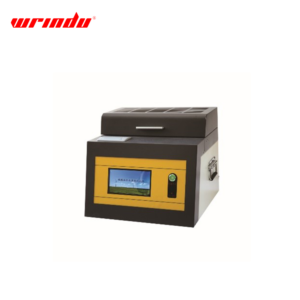
Click the image to know more about Wrindu Oil BDV Tester.
What Does a Transformer Oil BDV Test Result Mean?
The BDV result is the voltage recorded when electrical breakdown occurs between the test electrodes. It is commonly reported in kilovolts (kV).
For example, a result of 45 kV means that breakdown occurred at 45 kV under the specified test conditions. It does not mean that the oil can safely withstand 45 kV in every transformer or operating condition.
Electrode geometry, spacing, voltage application method, sample preparation, and the condition of the oil all affect how the result should be interpreted. Comparisons are most useful when measurements follow the same applicable method.
What Is an Acceptable BDV Value for Transformer Oil?
There is no single BDV threshold that applies to every transformer, oil type, voltage class, and service condition. The required value depends on the applicable standard, whether the oil is new or in service, the equipment requirements, and the purpose of the test.
New insulating oil may be assessed under different requirements from oil already in service. Oil acceptance at delivery, commissioning checks, and condition monitoring during operation are also different tasks.
Use the specified acceptance criteria from the applicable standard, oil supplier requirements, transformer manufacturer, or asset owner’s maintenance procedure. Do not classify a result as acceptable solely by comparing it with a generic value from an unrelated application.
How Do New and In-Service Transformer Oil BDV Requirements Differ?
New oil and in-service oil are evaluated for different reasons. New-oil testing may form part of product acceptance or preparation before filling, while in-service testing helps monitor changes during operation.
| Test situation | Main objective | What should guide interpretation? |
|---|---|---|
| New oil before delivery or use | Check compliance with purchase and product requirements | Applicable new-oil specification and agreed test method |
| Oil during transformer commissioning | Confirm that the oil meets the specified commissioning requirements | Project requirements, equipment instructions, and applicable standards |
| Oil during routine maintenance | Monitor dielectric performance and changes over time | In-service criteria, historical data, and other oil test results |
| Oil after a fault or abnormal event | Assess possible changes following an incident | Incident-specific test plan and relevant diagnostic results |
| Oil after filtration or reclamation | Evaluate the result of the treatment process | Treatment objectives, pre-treatment results, and post-treatment acceptance criteria |
Do not apply a new-oil acceptance limit automatically to every in-service sample. Confirm that the selected criteria match the test purpose.
Which Standards Help Engineers Interpret Transformer Oil BDV Results?
IEC 60156 specifies a method for determining the breakdown voltage of insulating liquids at power frequency. It provides the testing framework, but the applicable acceptance limits must be identified from the relevant product specification, equipment requirement, or maintenance guidance.
IEC 60422 provides guidance on the supervision and maintenance of mineral insulating oils in electrical equipment. Its scope and recommendations should be checked against the equipment and application being assessed.
| Standard | General scope | How it supports BDV interpretation |
|---|---|---|
| IEC 60156 | Breakdown voltage testing of insulating liquids at power frequency | Defines the test method used to obtain BDV measurements |
| IEC 60422 | Supervision and maintenance of mineral insulating oils in electrical equipment | Supports the assessment and maintenance of mineral oil in its applicable scope |
| Applicable oil specification | Requirements for a particular oil product or application | Defines the acceptance requirements relevant to the specified oil |
| Equipment or asset-owner procedure | Requirements for a particular transformer or maintenance program | Establishes project-specific evaluation and follow-up actions |
Before using a numerical limit, verify the applicable edition, oil category, equipment application, and whether the criterion applies to new or in-service oil. A test method and an acceptance specification serve different purposes.
What Can a Low Transformer Oil BDV Result Indicate?
A low BDV result indicates that breakdown occurred at a lower voltage under the test conditions. It can be associated with moisture, solid contamination, air bubbles, or other factors affecting dielectric performance.
The result may also be influenced by sampling errors, electrode condition, or deviations from the specified procedure. Engineers should therefore confirm the reliability of the measurement before drawing conclusions about the transformer.
If the result remains low after the test setup and sample handling have been checked, additional oil analysis may help identify the underlying issue.
Does a High BDV Result Mean Transformer Oil Is in Good Condition?
No. BDV measures one aspect of insulating oil performance and cannot establish the overall condition of the oil.
Oil may meet a BDV requirement while showing problems in other properties. Depending on the application, engineers may also need to examine water content, acidity, dielectric dissipation factor, resistivity, oxidation-related properties, or dissolved gases.
Use BDV alongside other relevant test results and the transformer maintenance history. Do not use a single measurement as the sole basis for a major maintenance decision.
How Should You Compare Current BDV Results With Historical Data?
Historical results help engineers identify changes in oil condition over time. However, comparisons are meaningful only when the test methods and sample conditions are sufficiently consistent.
Record the sample date, transformer identification, sampling point, test method, individual breakdown values, and relevant maintenance activities. Note any changes in laboratory, test instrument, or procedure that could affect comparability.
| Comparison factor | Why it matters |
|---|---|
| Sampling location | Different locations may not provide directly comparable samples |
| Test method | Different procedures may produce results that cannot be compared directly |
| Sample handling | Contamination or different conditioning can influence measurements |
| Maintenance history | Filtration, reclamation, oil replacement, and faults may affect results |
| Other oil tests | Additional measurements help explain changes in BDV |
| Individual readings | The full measurement set provides more context than one selected value |
A trend can identify a change that deserves investigation, but it does not independently establish the cause of the change.
What Should You Do If the BDV Result Is Below the Required Limit?
First, confirm the applicable limit and check that the test was performed using the correct method. Review sample handling, electrode condition, instrument status, and the recorded measurements.
If a test problem is identified, repeat the measurement according to the applicable procedure and document the reason. Do not discard an unfavorable result without a valid technical basis.
If the low result is confirmed, assess the oil with additional tests and review the equipment’s operating and maintenance history. Any decision to filter, reclaim, replace, or continue using the oil should follow the applicable technical requirements and asset-owner procedures.
Which Additional Tests Should Be Used With BDV Testing?
Different oil tests evaluate different properties. Selecting complementary tests depends on the suspected problem, transformer type, oil condition, and maintenance objective.
| Test | Main information provided | When it may be useful |
|---|---|---|
| Water content by Karl Fischer titration | Measures water content in the oil sample | When moisture may contribute to poor dielectric performance |
| Acidity or neutralization number | Assesses acidic compounds in the oil | When investigating oxidation and oil ageing |
| Dielectric dissipation factor | Assesses dielectric losses under specified conditions | When evaluating contamination or changes in dielectric properties |
| Resistivity | Measures the oil’s resistance to electrical conduction under specified conditions | When further assessment of electrical properties is required |
| Dissolved gas analysis (DGA) | Measures dissolved gases that can help identify certain electrical or thermal faults | When investigating possible internal transformer faults |
| Visual inspection and other applicable tests | Provides additional information about appearance or specific oil properties | When contamination or another oil-quality issue is suspected |
Not every test is required for every transformer. Select the test package according to the suspected failure mechanism and the applicable maintenance procedure.
Can BDV Testing Determine Whether Transformer Oil Needs Replacement?
BDV testing alone cannot determine whether oil must be replaced. A low value may indicate a problem that can be investigated through additional testing or treated using an approved oil-processing procedure, depending on the cause and applicable requirements.
Engineers should consider the confirmed BDV result, other oil properties, transformer condition, treatment history, and equipment requirements. The final decision should follow the asset owner’s maintenance policy and relevant technical guidance.
Oil replacement, filtration, and reclamation are not interchangeable actions. The appropriate response depends on the actual condition of the oil and the reason for the abnormal result.
How Can You Obtain Reliable Transformer Oil BDV Test Results?
Reliable results require consistent sample collection, correct test-cell preparation, suitable instrument performance, and compliance with the selected method. The report should retain enough information for another qualified person to understand how the measurement was obtained.
Wrindu’s Oil Dielectric Strength Tester can be evaluated for applications requiring transformer oil breakdown voltage measurements. Confirm the model specifications, test-cell configuration, applicable method, and operating requirements before selecting the instrument.
For a broader explanation of factors that influence the result, see Factors Affecting Transformer Oil BDV Test Results.
What Are the Most Common Questions About Transformer Oil BDV Results?
What does a BDV result in kV mean?
It represents the voltage at which breakdown occurred in the test cell under the specified conditions. It is not a universal safe operating voltage for a transformer.
Is a higher BDV always better?
A higher result generally indicates greater measured breakdown strength under comparable test conditions. However, it does not prove that every other oil property meets its requirements.
Can a transformer operate with a low BDV result?
The result must be evaluated against the applicable criteria and the overall equipment condition. Follow the asset owner’s technical procedure rather than making a decision from BDV alone.
How often should transformer oil BDV be tested?
The frequency depends on the equipment, maintenance program, operating conditions, applicable guidance, and previous test results. There is no single interval that is appropriate for every transformer.
Should BDV results be compared with results from another test method?
Only when the methods and conditions are sufficiently comparable. Record the method and follow the applicable reporting and evaluation requirements.
Does IEC 60156 provide one universal pass/fail value for transformer oil?
IEC 60156 specifies the breakdown voltage test method. The relevant acceptance criterion must be established from the applicable oil specification, equipment requirement, or maintenance guidance.
