

How Does Primary Injection Testing Check Electrical Connections?
Learn how primary injection testing checks busbar joints, cable connections, and switchgear current paths, and why contact resistance testing is also important.
Electrical connections are important parts of power distribution systems. Loose connections, incorrect wiring, and poor electrical contact can affect current flow and increase the risk of overheating.
Primary injection testing passes current through a selected electrical path. Engineers can use the test to check current flow and identify some connection-related problems when combined with appropriate measurements and inspections.
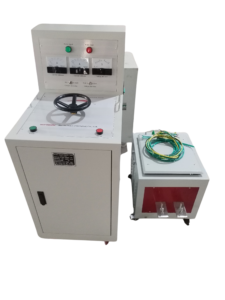
Click the image to know more about 6000A Primary Current Injection Tester.
Why Should Electrical Connections Be Checked During Maintenance?
Electrical connections join busbars, circuit breakers, cables, and other power equipment. These connection points must carry operating current within the equipment’s design limits.
A poor connection can increase contact resistance. Under load, this may cause additional heating and accelerate insulation or connection deterioration.
Common connection-related problems include:
- Loose bolts or connection hardware.
- Oxidation or contamination on contact surfaces.
- Incorrect cable connections.
- Damaged contact surfaces.
- Increased contact resistance.
Regular inspection helps engineers identify potential problems before they affect equipment operation.
How Can Primary Injection Testing Help Check Electrical Connections?
Primary injection testing sends current through the selected electrical path. Engineers can monitor current flow and use additional test instruments to evaluate connection conditions.
For example, a test arrangement may pass current through a selected busbar or cable connection. Engineers can then check the measured current and compare it with the expected test conditions.
However, primary injection alone does not directly measure contact resistance. A separate contact resistance measurement is needed to evaluate the resistance of a specific connection.
This distinction is important when selecting the correct test method.
What Is the Difference Between Primary Injection and Contact Resistance Testing?
Primary injection and contact resistance testing have different objectives.
| Comparison | Primary injection testing | Contact resistance testing |
|---|---|---|
| Main objective | Check current flow through a selected primary circuit | Measure resistance at electrical contacts |
| Test output | High test current | Defined DC test current |
| Main measurement | Injected current and related response | Contact resistance |
| Typical applications | Busbars, switchgear, current paths | Breaker contacts, busbar joints, electrical connections |
| Main result | Current response under test conditions | Resistance value, usually in micro-ohms |
| Main limitation | Does not directly quantify contact resistance | Does not independently verify the complete protection system |
These methods can complement each other during electrical equipment maintenance.
Which Electrical Connections Can Be Inspected?
Primary injection testing can be applied to selected electrical paths in different types of power equipment.
| Connection type | What engineers need to check | Additional inspection |
|---|---|---|
| Busbar joints | Current flow through the selected path | Contact resistance measurement |
| Circuit breaker terminals | Current path and associated operation | Contact resistance measurement |
| Cable terminals | Connection arrangement and current flow | Visual and thermal inspection |
| Switchgear connections | Current flow through selected sections | Mechanical and electrical inspection |
| High-current joints | Electrical performance under test conditions | Temperature and resistance measurements |
The exact test arrangement depends on the equipment design and accessible connection points.
How Do Engineers Identify Abnormal Electrical Connections?
Engineers should not use a single current measurement to determine whether a connection is defective.
A more reliable assessment combines several inspection methods:
1. Visual inspection
Check for corrosion, discoloration, damaged surfaces, loose hardware, and signs of overheating.
2. Contact resistance measurement
Measure the resistance of selected connections using a suitable contact resistance tester. Compare the results with manufacturer limits or applicable maintenance criteria.
3. Temperature inspection
Use thermal imaging under suitable operating conditions to identify abnormal temperature differences between comparable connections.
4. Primary injection testing
Apply the specified test current through the selected circuit and verify the expected current response.
Each method provides different information. Engineers should evaluate the combined results rather than treat one test as a complete diagnosis.
What Test Equipment Is Needed for Electrical Connection Testing?
The required equipment depends on the inspection objective.
| Equipment | Main function |
|---|---|
| Primary current injection tester | Supplies current through the selected primary circuit |
| Contact resistance tester | Measures resistance at electrical contacts |
| Infrared thermal camera | Identifies abnormal temperature patterns |
| Digital multimeter | Checks selected voltage and electrical values |
| Insulation resistance tester | Evaluates insulation resistance |
For primary injection applications, the Wrindu RDSL-82-6000D provides up to 6000 A output current and a rated capacity of 36 kVA.
Its split-type structure supports positioning during high-current testing. The two ammeters support large- and small-range current monitoring.
Learn more about the Wrindu RDSL-82-6000D Primary Current Injection Tester.
What Safety Checks Are Required Before Testing Electrical Connections?
High-current testing requires careful preparation. Engineers must confirm that the equipment is isolated from its normal power source and that the test area is controlled.
Important precautions include:
- Follow the equipment manufacturer’s test instructions.
- Confirm the correct isolation and grounding arrangements.
- Inspect test cables and connection clamps.
- Confirm that the selected test current is within the equipment’s permitted limits.
- Keep unauthorized personnel away from the test area.
- Stop testing if abnormal conditions occur.
Never assume that a connection is safe simply because it passes a primary injection test.
When Should Engineers Combine Primary Injection and Contact Resistance Testing?
Engineers should consider combining these methods when checking switchgear, circuit breakers, busbars, and other high-current connections.
Primary injection evaluates current flow through the selected circuit. Contact resistance testing provides a direct resistance measurement at specific electrical contacts.
Together, the results provide more information for commissioning and maintenance decisions.
