

Choosing the Right Battery: Types, Pros, and Cons Explained
Explore the main types of modern battery technologies including lead-acid, lithium-ion, flow, sodium-ion, and nickel-based batteries. Learn their advantages, disadvantages, and best applications in solar storage, EVs, and grid energy systems.
As the world shifts toward renewable energy and smart grid storage, understanding battery technology is more important than ever. Whether you need backup power for a business or storage for solar panels, different batteries serve different purposes.
Before diving in, remember one rule: temperature matters. High temperatures shorten a battery’s lifespan, while low temperatures reduce its capacity and performance.
Here is a simple guide to the top battery technologies available today.
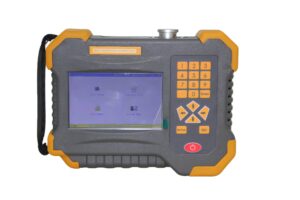
Click the image to know more about Battery Impedance Tester.
What Are Lead-Acid Batteries and Where Are They Used?
Lead-acid batteries are one of the oldest and most trusted technologies on the market. They have been used for over a century. They consist of lead dioxide (positive pole), sponge lead (negative pole), and sulfuric acid.
There are two main types:
-
VLA (Flooded/Vented): These are open batteries that require you to refill them with water regularly.
-
VRLA (Valve-Regulated): These are sealed batteries (like Gel or AGM) that require less maintenance but still need regular check-ups.
Best For: Uninterruptible Power Supplies (UPS), emergency backup for data centers, telecommunications, and starting gas or diesel vehicles.
The Pros:
-
Inexpensive upfront costs.
-
Highly reliable and tolerant of accidental overcharging.
-
Nearly 100% recyclable, making them highly eco-friendly.
The Cons:
-
Low energy density (they are heavy and take up a lot of space).
-
Shorter lifespan, especially if they are deeply drained too often.
Why Are Lithium-Ion Batteries So Popular?
Lithium-ion batteries have changed the game for electronics and electric vehicles (EVs). They use a lithium compound for the positive side and graphite for the negative side.
Different chemical mixes exist, such as LFP (known for safety and long life) and NMC (known for high power).
Best For: Electric vehicles, smartphones, laptops, and residential solar energy storage.
The Pros:
-
High energy density (lightweight and compact).
-
Long cycle life (can be charged and discharged thousands of times).
-
Fast charging capability and no “memory effect.”
The Cons:
-
Higher initial purchase cost.
-
Risk of thermal runaway (overheating or catching fire in rare cases).
-
Requires complex Battery Management Systems (BMS) to stay safe.
What Are Flow Batteries and How Do They Scale?
Flow batteries store energy in liquid electrolytes kept in external tanks. The most common type is the Vanadium Redox Flow Battery (VRFB).
What makes them special is that you can increase the energy capacity simply by using larger liquid tanks.
Best For: Large-scale grid energy storage and wind/solar power integration.
The Pros:
-
Extremely long lifespan with minimal degradation.
-
Can be 100% discharged without causing any damage.
-
Very low fire risk because the liquid is non-flammable.
The Cons:
-
Low energy density (requires a massive physical footprint for the tanks).
-
Complex mechanical systems involving pumps and pipes.
-
Higher risk of liquid chemical leaks if not maintained properly.
Are Sodium-Ion Batteries the Future of Energy Storage?
Sodium-ion technology works similarly to lithium-ion, but it replaces scarce lithium with abundant sodium (salt). It is an emerging, highly sustainable alternative.
Best For: Grid energy storage and budget-friendly electric vehicles.
The Pros:
-
Uses cheap and abundant raw materials.
-
More eco-friendly and easier to recycle.
-
Safer to transport because they can be fully discharged to 0 volts without damage.
The Cons:
-
Lower energy density than lithium-ion.
-
Still in the early stages of commercial use, meaning there is less long-term real-world data available.
Do People Still Use Nickel-Based Batteries?
While less common for new setups, nickel-based batteries—like Nickel-Cadmium (NiCd) and Nickel-Metal Hydride (NiMH)—are still valued for their extreme durability in tough environments.
Best For: Industrial backup power, railway signaling, and aircraft systems.
The Pros:
-
Extremely robust; can handle physical stress and harsh weather.
-
Long service life when properly maintained.
The Cons:
-
Lower energy density than lithium.
-
Suffers from the “memory effect” (loses capacity if not fully discharged regularly).
-
NiCd batteries contain cadmium, which is highly toxic and heavily restricted.
FAQs
Which battery type lasts the longest for large-scale grid storage?
Flow batteries (like Vanadium Redox) and Lithium-iron phosphate (LFP) batteries generally offer the longest cycle life for large-scale energy storage, lasting for thousands of cycles without significant degradation.
Why do lithium-ion batteries need a battery management system (BMS)?
Lithium-ion batteries are sensitive to extreme conditions. A BMS is required to balance the voltage between individual cells, monitor temperatures, and prevent dangerous issues like overcharging, deep discharging, or overheating.
Can you fully discharge a battery without damaging it?
It depends on the technology. Flow batteries and Sodium-ion batteries can be completely discharged to 0% without damage. However, fully discharging Lead-acid or standard Lithium-ion batteries will severely shorten their lifespan.
Why is regular testing important for stationary batteries?
Every battery technology degrades differently. Lead-acid batteries need regular resistance and capacity tests, while flow batteries require liquid electrolyte analysis. Routine testing catches internal degradation early, preventing unexpected system failures and ensuring safety.
