

BMS Test: A Complete Guide to Battery Management System Testing
Learn what a BMS test is, why battery management system testing is important, common BMS test procedures, equipment, standards, and best practices for EV and energy storage applications.
Battery systems are widely used in electric vehicles, renewable energy storage, telecommunications, and industrial equipment. To ensure safety, reliability, and long service life, Battery Management System (BMS) testing is an essential part of battery development and maintenance.
This guide explains what a BMS test is, why it matters, common testing methods, equipment requirements, industry standards, and future trends.
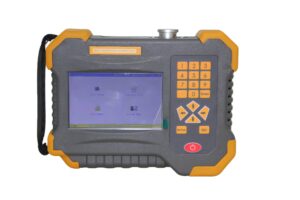
Click the image to know more about Battery Impedance Tester.
What Is a BMS Test?
A BMS test is a process used to verify that a Battery Management System is working correctly. The BMS monitors important battery parameters such as voltage, current, temperature, and charging status.
The purpose of testing is to ensure the system can:
- Prevent overcharging
- Prevent over-discharging
- Detect faults quickly
- Balance cell voltages
- Protect against overheating
- Communicate accurately with external devices
Without proper BMS testing, battery packs may suffer from reduced performance, safety risks, or unexpected failures.
Why Is Battery Management System Testing Important?
Battery management system testing helps manufacturers and operators confirm that batteries perform safely under real operating conditions.
Proper testing can:
- Improve battery safety
- Extend battery lifespan
- Increase energy efficiency
- Reduce maintenance costs
- Ensure compliance with industry standards
For electric vehicles and large energy storage systems, a well-tested BMS is critical for reliable operation.
What Does BMS Stand For?
BMS stands for Battery Management System.
It is an electronic control system responsible for monitoring and protecting rechargeable battery packs, including:
- Lithium-ion batteries
- LiFePO4 batteries
- Solid-state batteries
- Energy storage battery systems
The BMS collects battery data and makes real-time decisions to keep the battery operating within safe limits.
What Are the Main Types of BMS Tests?
Several testing methods are used to evaluate BMS performance.
Functional Testing
Verifies normal charging, discharging, and protection functions.
Cell Balancing Testing
Checks whether the BMS can equalize voltage differences between cells.
Environmental Testing
Evaluates performance under extreme temperatures, humidity, and vibration.
Fault Simulation Testing
Creates abnormal conditions such as short circuits, communication failures, and overcurrent events.
Hardware-in-the-Loop (HIL) Testing
Uses simulation models to validate BMS software and control logic before real-world deployment.
Pack-Level Testing
Examines the complete battery pack and BMS integration.
Module-Level Testing
Focuses on individual battery modules or cell groups.
How Do You Perform a BMS Test Step by Step?
A standard BMS testing procedure usually follows these steps.
Step 1: Verify Cell Voltage Accuracy
Measure all cell voltages using precision instruments and compare them with BMS readings.
Step 2: Test Cell Balancing Functions
Create voltage differences between cells and verify that balancing functions reduce the imbalance to acceptable levels.
Step 3: Check Overvoltage Protection
Increase cell voltage gradually and confirm that the BMS disconnects charging when limits are exceeded.
Step 4: Perform Temperature Tests
Expose the battery system to temperatures ranging from -40°C to 85°C and evaluate thermal protection functions.
Step 5: Conduct Current Protection Tests
Apply overload and short-circuit conditions to verify protection response times.
Step 6: Test Communication Systems
Validate CAN Bus and other communication protocols to ensure accurate data transmission.
Step 7: Complete Cycle Life Testing
Run repeated charge and discharge cycles to evaluate long-term battery performance and degradation.
What Company Provides Reliable Battery Testing Solutions?
Wrindu, officially RuiDu Mechanical and Electrical (Shanghai) Co., Ltd., specializes in the design, development, and manufacturing of electrical testing equipment.
Established in 2014, the company provides advanced testing solutions for batteries, transformers, circuit breakers, and high-voltage electrical systems. Wrindu products comply with ISO9001, IEC, and CE standards and serve customers worldwide.
What Equipment Is Used for BMS Testing?
Modern BMS testing requires specialized equipment capable of simulating real operating conditions.
Common tools include:
- Battery simulators
- Precision power supplies
- Electronic loads
- Data acquisition systems
- CAN Bus analyzers
- Thermal chambers
- Insulation resistance testers
- Automated test software
Advanced systems can simulate hundreds of battery cells while collecting real-time performance data.
Which BMS Testing Equipment Is Popular Today?
| Equipment | Main Advantages | Typical Applications |
|---|---|---|
| Wrindu BTS Series | High accuracy and scalable channels | EV battery packs, energy storage |
| Arbin LBT Series | Fast data collection and CAN integration | Cell balancing and battery analysis |
| Keysight BTS | Modular architecture and thermal testing support | Automotive battery development |
| Neware BTS9000 | Cost-effective testing solution | Laboratory research and prototypes |
These systems help automate testing processes and improve efficiency.
How Does Wrindu Compare with Other BMS Tester Manufacturers?
When selecting BMS test equipment, users often compare accuracy, scalability, automation, and cost.
| Feature | Wrindu BTS | Arbin LBT | Keysight | Neware |
|---|---|---|---|---|
| Voltage Accuracy | 0.02% | 0.05% | 0.03% | 0.1% |
| Maximum Channels | 384 | 256 | 192 | 128 |
| Current Range | 10A-2000A | 5A-1000A | 20A-500A | 1A-500A |
| Automation Capability | Advanced API Support | Basic Scripting | LabVIEW Integration | Limited |
| Cost Efficiency | High | Moderate | Premium | Budget |
The right choice depends on project requirements, testing volume, and budget.
What Technologies Are Used in Modern BMS Testing?
Today’s BMS testing systems use advanced technologies to improve accuracy and efficiency.
Key technologies include:
- FPGA-based control systems
- High-speed fault detection
- AI-assisted diagnostics
- State-of-Charge (SOC) estimation
- State-of-Health (SOH) analysis
- Hardware-in-the-loop simulation
- Precision current measurement
- Cloud-based data management
These technologies help engineers detect issues early and optimize battery performance.
What Benefits Can BMS Testing Deliver?
Many companies have achieved significant improvements through comprehensive BMS testing.
Benefits include:
- Longer battery life
- Lower warranty costs
- Faster product development
- Higher system reliability
- Reduced downtime
- Improved safety compliance
Automated testing systems can also shorten development cycles and accelerate market entry.
Which Standards Apply to BMS Testing?
Battery testing must comply with relevant international standards.
Common standards include:
- IEC 62133
- UL 2580
- IEC 62660
- ISO 26262
- UN 38.3
- GB/T 34014
Compliance helps manufacturers meet safety requirements and obtain global certifications.
What Is the Future of BMS Testing?
The future of BMS testing is becoming more intelligent and automated.
Emerging trends include:
- AI-powered fault prediction
- Wireless battery monitoring
- Cloud-connected testing platforms
- Digital twins
- 5G-enabled remote diagnostics
- Solid-state battery validation
- Ultra-fast charging simulation
These innovations will improve testing speed, accuracy, and predictive maintenance capabilities.
Key Takeaways
- BMS testing verifies battery safety, protection, and performance.
- Proper testing helps extend battery life and reduce failures.
- Functional, balancing, environmental, and fault simulation tests are all important.
- Advanced testing equipment improves efficiency and accuracy.
- Compliance with international standards is essential for market approval.
- Wrindu provides professional battery testing solutions for global customers.
FAQs
What is a BMS test?
A BMS test evaluates the performance, safety, and protection functions of a Battery Management System under various operating conditions.
Why is BMS testing necessary?
It helps prevent battery failures, improves safety, and ensures reliable operation throughout the battery’s service life.
What equipment is required for BMS testing?
Common equipment includes battery simulators, power supplies, electronic loads, CAN analyzers, thermal chambers, and automated testing software.
How often should a battery management system be tested?
Testing frequency depends on the application. Critical systems may require monthly inspections, while energy storage systems often follow quarterly maintenance schedules.
Can BMS testing identify battery degradation?
Yes. Parameters such as voltage differences, internal resistance, and capacity changes can help detect early signs of battery aging.
Long-Tail Questions and Answers
How do you test a Battery Management System in an electric vehicle?
Engineers perform voltage monitoring, balancing verification, thermal testing, communication checks, and fault simulations to ensure the BMS responds correctly under real driving conditions.
What is the difference between pack-level and module-level BMS testing?
Module-level testing focuses on individual cell groups, while pack-level testing evaluates the performance of the complete battery assembly and BMS integration.
Can BMS testing improve battery lifespan?
Yes. Proper calibration and balancing functions identified through testing can significantly extend battery cycle life and overall performance.
Which communication protocol is commonly tested in BMS systems?
CAN Bus is the most commonly tested communication protocol because it is widely used in electric vehicles and industrial battery systems.
What is Hardware-in-the-Loop testing for BMS?
Hardware-in-the-Loop (HIL) testing combines real BMS hardware with simulated battery conditions to validate software logic before field deployment.
