

DCR in Wire: Complete Guide to DC Resistance Explained
Learn what DCR in wire (DC resistance) means, how it is calculated, and why it matters in electrical design. Discover factors affecting resistance, measurement methods, and applications in cables, transformers, and power systems.
DCR in wire stands for DC Resistance, which describes how much a wire resists the flow of direct current (DC). It is an important electrical property used in power systems, cables, inductors, transformers, and electronic circuits.
Understanding DCR helps engineers design efficient electrical systems with lower energy loss, better heat control, and improved performance.
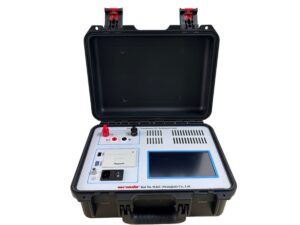
What Does DCR in Wire Mean?
DCR (DC Resistance) is the resistance a wire shows when direct current flows through it.
It depends on:
- Wire length
- Wire thickness (cross-sectional area)
- Material type (copper, aluminum, etc.)
- Temperature
In simple terms:
- Longer wire → higher DCR
- Thinner wire → higher DCR
- Better conductor → lower DCR
DCR is usually given in milliohms per meter or foot by manufacturers.
How Is DCR in Wire Calculated?
DCR can be calculated using a basic electrical formula:
R = \rho \frac{L}{A}
Where:
- R = resistance (DCR)
- ρ (rho) = material resistivity
- L = length of wire
- A = cross-sectional area
This formula shows that resistance increases with length and decreases with thicker wire.
Why Is DCR in Wire Important for Electrical Design?
DCR is important because it directly affects:
- Power loss (heat generation)
- Energy efficiency
- Voltage drop
- Equipment reliability
High DCR causes:
- More heat
- Lower efficiency
- Possible insulation damage
That is why engineers prefer low-DCR wires in high-current systems.
What Factors Affect DCR in Wire?
Several factors influence DC resistance:
1. Wire Material
- Copper → low DCR
- Aluminum → higher DCR but lighter
2. Wire Length
Longer wire increases resistance.
3. Wire Thickness
Thicker wire reduces resistance.
4. Temperature
As temperature increases, DCR also increases.
For copper wire:
\text{Resistance increases by }0.4% \text{ per }1^\circ C
5. Manufacturing Quality
Stranding, purity, and plating can slightly affect resistance stability.
How Is DCR in Wire Measured?
DCR is measured using precise electrical instruments such as:
- Micro-ohmmeters
- Kelvin 4-wire test systems
- LCR meters
Why Use the 4-Wire Method?
Because it removes errors caused by test leads and contact resistance, giving highly accurate results.
Why Is Low DCR in Wire Better?
Low DCR is preferred because it:
- Reduces heat generation
- Improves energy efficiency
- Minimizes voltage drop
- Increases system lifespan
It is especially important in:
- Power cables
- Transformers
- Electric vehicles
- Inductors
- High-current busbars
What Is the Difference Between DCR and AC Resistance?
DCR applies to direct current (DC) only.
AC resistance is different because it includes:
- Skin effect
- Proximity effect
- Frequency-related losses
So:
- DCR = steady resistance at DC
- AC resistance = frequency-dependent resistance
Where Is DCR in Wire Used?
DCR is critical in many applications:
- Transformer windings
- Motor coils
- EV battery cables
- Power distribution systems
- Switching power supplies
- Industrial wiring harnesses
Low DCR improves system efficiency and reduces energy waste.
How Can DCR in Wire Be Reduced?
Engineers reduce DCR using several methods:
- Using thicker wire
- Choosing copper instead of aluminum
- Using parallel conductors
- Using litz wire for special designs
- Shortening cable length where possible
Example:
- Two parallel wires can reduce resistance by nearly 50%
What Happens If DCR in Wire Is Too High?
High DCR can cause:
- Excessive heating
- Energy loss
- Reduced system efficiency
- Risk of insulation damage
- Equipment failure over time
That is why DCR testing is part of quality control in manufacturing.
Why Is DCR Testing Important in Manufacturing?
DCR testing ensures:
- Wire quality consistency
- Compliance with standards (IEC, ASTM)
- Reliable performance in real applications
- Reduced failure rate
Advanced testers from companies like Wrindu are widely used in factories and power industries for accurate DC resistance measurement.
FAQs About DCR in Wire
Q1: What is DCR in wire in simple words?
It is the resistance a wire has when DC current flows through it.
Q2: What units are used for DCR?
DCR is usually measured in ohms (Ω), milliohms (mΩ), or micro-ohms (µΩ).
Q3: What causes high DCR in wire?
Long length, thin wire, poor material quality, and high temperature.
Q4: Is copper better for low DCR?
Yes. Copper has much lower resistance than aluminum.
Q5: Can DCR change over time?
Yes. Aging, heat, and corrosion can increase resistance.
Q6: Why is DCR important in transformers?
It affects copper loss and overall efficiency of the transformer.
Q7: How is DCR measured accurately?
Using a 4-wire Kelvin method with micro-ohmmeters.
Q8: Is lower DCR always better?
Generally yes, but engineers must also consider cost, weight, and flexibility.
Conclusion
DCR in wire is a key electrical property that determines how efficiently current flows through a conductor. It affects heat generation, energy loss, and system performance.
By understanding and controlling DCR, engineers can design safer, more efficient, and more reliable electrical systems in power grids, industrial equipment, and modern electronics.
