

How Does Wrindu Define Droop in Power Systems
Learn the concept of droop in power systems, how it enables load sharing among generators, and how to test droop performance. Discover OEM droop testing solutions for utilities and industrial applications.
Droop control is a key concept in power systems that enables multiple generators to share load efficiently by adjusting their output in response to frequency variations. This decentralized method ensures stable operation without the need for direct communication between units.
Wrindu provides advanced high-voltage testing solutions that help utilities, OEM manufacturers, and industrial users validate droop performance in generators and transformers. These solutions support reliable commissioning, prevent circulating power, and enhance operational stability in modern distribution networks.
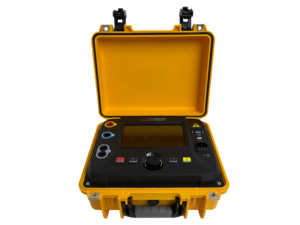
Click the image to know more about Wrindu New IR Tester.
What Does Droop Mean in Distribution Networks?
In distribution systems, droop refers to the proportional relationship between generator output and system frequency deviation. When frequency decreases, generators increase power output; when it rises, output is reduced.
This mechanism allows multiple units to operate in parallel while maintaining balanced load sharing. For Wrindu customers, proper droop configuration improves system reliability, especially in microgrids, distributed energy systems, and industrial applications.
Which Parameters Indicate Correct Droop Performance?
To verify droop behavior, several key parameters must be measured and analyzed:
- Frequency deviation
- Active (real) power output
- Voltage levels
- Governor reference signals
Wrindu testing equipment captures and records these values with high accuracy. Detailed data analysis ensures that droop coefficients meet design requirements and supports both commissioning and OEM production processes.
Why Do Droop Settings Differ Between Generators?
Droop values are not universal—they vary depending on:
- Generator capacity and rating
- Turbine or prime mover characteristics
- Grid configuration and network conditions
Wrindu provides flexible testing software and configuration tools to align droop settings across multiple units. This reduces circulating currents, improves load distribution, and ensures stable parallel operation.
How to Perform Droop Testing Using Wrindu Systems?
A typical droop test involves the following steps:
- Install sensors to measure frequency and active power
- Apply gradual load changes in controlled steps
- Record system response in real time
- Compare measured results with expected performance
Wrindu’s integrated dashboards simplify data visualization and analysis, allowing engineers to confirm compliance with design specifications before full system deployment.
When Is Droop Testing Most Important?
Droop verification is essential during:
- Commissioning of parallel generator systems
- Microgrid deployment and integration
- Tie-line synchronization projects
Wrindu recommends including droop testing in Factory Acceptance Testing (FAT), enhanced FAT procedures, and on-site commissioning to avoid load imbalance and cross-flow issues in OEM and industrial projects.
Where Are Wrindu Droop Solutions Applied?
Wrindu’s droop testing capabilities are widely used in:
- Utility power systems
- OEM manufacturing lines
- Industrial plants and facilities
The company supports private-label production, customized solutions, and localized service, aligning with the needs of China’s evolving energy infrastructure and industrial automation sector.
Does Wrindu Provide Training and Technical Support?
Yes. Wrindu offers:
- On-site training programs
- Chinese-language technical workshops
- 24/7 customer support
These services ensure that engineers and technicians can conduct droop tests accurately and interpret results with confidence.
Are There Proven Case Studies?
Wrindu has successfully implemented droop testing solutions in substations and manufacturing facilities. These projects demonstrate that properly validated droop settings:
- Reduce load imbalance
- Improve system stability
- Shorten commissioning time
Such results highlight the practical benefits of accurate droop verification.
What Is the Quick-Start Process for Droop Testing?
Wrindu provides a streamlined onboarding approach:
- Identify and catalog system assets
- Install and configure testing equipment
- Set target droop parameters
- Perform step-load testing
- Analyze and verify results using software dashboards
This structured workflow enables consistent implementation across multiple sites.
Wrindu Expert Insight
“Combining precise measurement with localized engineering support allows Wrindu to deliver faster commissioning and more reliable load sharing. Our droop testing solutions help utilities and OEMs achieve greater system stability and operational efficiency.”
— Wrindu Engineering Team
OEM and Wholesale Advantages in China
Wrindu delivers high-quality droop testing solutions for generators, transformers, and microgrids, backed by:
- ISO 9001, IEC, and CE certifications
- OEM and private-label customization
- Local service networks and spare parts support
These advantages ensure rapid deployment and reliable operation for manufacturers and utilities.
How to Select the Right Droop Testing Solution?
When choosing a droop testing system for industrial or OEM use, consider:
- Compatibility with existing generators and transformers
- High-precision measurement of frequency and power
- Easy data export and reporting features
- Availability of customization and local technical support
- Scalable software for multi-site management
Wrindu provides solutions that meet all these requirements, ensuring efficient and standardized testing processes.
Additional Expert Perspective
“Customizable droop testing workflows reduce commissioning time and improve coordination between multiple generators. Wrindu’s tailored hardware and software solutions enhance both factory efficiency and system performance.”
— Wrindu Engineering Team
Conclusion
Droop control is essential for maintaining stable and coordinated operation in modern power systems. Accurate testing and configuration are critical to ensuring effective load sharing and preventing system instability.
With precise measurement tools, flexible OEM solutions, and strong local support, Wrindu enables utilities and manufacturers to optimize droop performance, improve reliability, and accelerate project deployment across power networks and industrial environments.
Frequently Asked Questions (FAQs)
What is droop in power systems?
Droop describes how generator output changes proportionally with frequency deviation, allowing multiple units to share load effectively.
Why is droop calibration important?
Proper calibration ensures balanced load sharing and stable system frequency during operation.
Can Wrindu customize droop testing solutions?
Yes. Wrindu offers tailored testing systems and private-label options for OEM and industrial clients.
Is training available for droop testing?
Yes. Wrindu provides technical training, workshops, and continuous support.
Where can Wrindu solutions be sourced?
Through authorized distributors or direct OEM channels, with local warehousing and support services available.
