

How Should Engineers Collect and Prepare Transformer Oil Samples for BDV Testing?
Learn how to collect, store, and prepare transformer oil samples for BDV testing. Reduce contamination and improve test consistency with proper handling.
Transformer oil sampling directly affects the reliability of breakdown voltage (BDV) test results. Moisture, dust, fibers, air bubbles, and other contaminants can influence the measured breakdown voltage.
Engineers should use an approved sampling method, clean and dry containers, correct sample identification, and the preparation procedure specified by the applicable test standard. Safe handling is equally important because oil may be hot or come from equipment that requires special access controls.
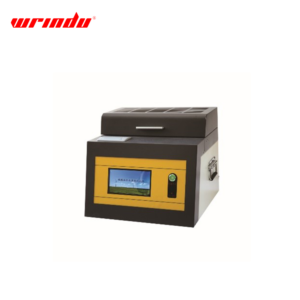
Click the image to know more about Wrindu Oil BDV Tester.
Why Does Transformer Oil Sample Collection Affect BDV Results?
A BDV test measures the voltage at which an oil sample breaks down under specified test conditions. The result reflects both the oil’s condition and the conditions under which the sample is collected and tested.
Moisture and particulate contamination can reduce dielectric strength. Air bubbles and inconsistent sample preparation may also affect the result, making it harder to compare measurements from different samples or testing sessions.
For this reason, engineers should not treat sample collection as a separate administrative task. It is part of the measurement process.
What Equipment Is Needed to Collect a Transformer Oil Sample?
The required equipment depends on the sampling point, the oil system, and the applicable sampling procedure. Typical items include:
| Item | Purpose | Key requirement |
|---|---|---|
| Suitable sample container | Holds the oil sample | Clean, dry, and compatible with the sampling method |
| Sampling equipment | Transfers oil from the approved sampling point | Compatible with the equipment and oil |
| Sample labels | Identifies the sample | Includes the required equipment and collection details |
| Oil-resistant gloves | Limits direct skin contact | Suitable for the oil and workplace hazards |
| Eye protection | Reduces risk from splashes | Appropriate for the identified hazards |
| Spill-control materials | Supports spill response | Available where required by site procedures |
| Transport container | Protects the sample during movement | Prevents leakage and contamination |
Use containers and sampling accessories approved for the selected method. A container that appears clean may still contain moisture or residues that affect the result.
How Should Engineers Collect a Transformer Oil Sample?
The exact procedure depends on the transformer design and the approved sampling method. The following sequence provides a general framework, not a replacement for the equipment-specific instructions.
Step 1: Identify the transformer and sampling point.
Record the transformer identification and the exact sampling location. Confirm that the point is approved for sampling and that the work conditions are safe.
Step 2: Check the sampling conditions.
Determine whether the oil or nearby surfaces may be hot, pressurized, or otherwise hazardous. Follow the site’s work authorization and isolation requirements where applicable.
Step 3: Prepare the sampling equipment.
Check that the container and sampling accessories meet the selected method’s cleanliness and dryness requirements. Do not use equipment with visible contamination or damage.
Step 4: Collect the sample using the approved procedure.
Follow the prescribed flushing, filling, and handling instructions for the sampling point. Do not apply a universal flushing volume or collection sequence when the relevant procedure specifies different conditions.
Step 5: Close and identify the container.
Secure the container to prevent leakage and contamination. Record the information required by the site’s sample management procedure.
Step 6: Transport the sample carefully.
Keep the container secure and protect it from conditions that could compromise the sample. Follow any temperature, storage, or transport limits specified by the applicable method.
How Can Engineers Prevent Contamination During Oil BDV Sample Preparation?
Contamination control begins before the container is opened. The container, sampling equipment, and test cell must meet the cleanliness requirements of the selected test method.
Avoid introducing water, dust, fibers, cleaning residues, or material from other oil samples. Keep containers closed when they are not being filled or used, and avoid transferring oil between containers unless the procedure allows it.
The test cell also requires attention. Residual oil or contaminants from a previous sample can affect subsequent measurements if the cell is not cleaned according to the instrument manufacturer’s instructions.
Should Transformer Oil Samples Be Shaken Before BDV Testing?
Do not assume that shaking is required. Unnecessary agitation can introduce air bubbles, while the correct settling or conditioning procedure depends on the applicable test method.
Follow the preparation requirements in the selected standard and the tester’s operating manual. If the procedure specifies a settling period or a particular filling method, use that procedure consistently.
Engineers should also avoid introducing bubbles when filling the test cell. Follow the specified filling level and handling method rather than relying on an improvised technique.
How Should Engineers Label and Store Oil Samples Before Testing?
Sample identification allows the laboratory or maintenance team to connect each result with the correct transformer and sampling event. Missing or incorrect labels can undermine the value of an otherwise valid measurement.
A sample record should include the following information where required:
| Record field | Example or purpose |
|---|---|
| Transformer ID | Unique equipment identifier |
| Sampling point | Valve, compartment, or designated location |
| Collection date and time | Establishes when the sample was obtained |
| Sample reference | Links the container to the test record |
| Collector | Identifies the person responsible for sampling |
| Operating conditions | Relevant load, temperature, or equipment status when required |
| Test method | Identifies the method used for the BDV measurement |
Store samples according to the applicable procedure. Avoid inventing a universal storage duration because allowable storage conditions and holding times depend on the test method and sample requirements.
If a container leaks, becomes contaminated, or loses its identification, assess whether the sample remains suitable for testing. Collect a replacement when necessary and permitted by the sampling procedure.
How Should Engineers Prepare an Oil Sample for ASTM D1816, ASTM D877, or IEC 60156 Testing?
ASTM D1816, ASTM D877/D877M, and IEC 60156 describe different test methods or electrode arrangements for measuring the breakdown voltage of insulating liquids. Sample handling and test-cell preparation must follow the specific method selected.
| Standard | General test approach | Preparation consideration |
|---|---|---|
| ASTM D1816 | Breakdown voltage testing using VDE electrodes | Follow the standard’s requirements for the electrode system, sample handling, and test conditions |
| ASTM D877/D877M | Breakdown voltage testing using disk electrodes | Confirm the required electrode configuration and prescribed procedure |
| IEC 60156 | Power-frequency breakdown voltage measurement | Follow the specified test-cell arrangement and sample preparation requirements |
Do not transfer a preparation step from one method to another without checking the applicable standard. Electrode arrangements and prescribed test conditions can differ.
Before testing, confirm that the instrument supports the selected method and that the correct test parameters have been configured. The standard’s current applicable edition should be used when preparing a formal test procedure.
What Should Engineers Do If an Oil Sample Appears Contaminated?
A sample that contains visible foreign material, has a leaking container, or has uncertain identification should be assessed before testing. Do not silently treat a questionable sample as representative of the transformer.
Record the observed problem and follow the site’s sampling procedure to decide whether to recollect the sample. If a result is obtained from a questionable sample, document the limitation rather than presenting the result without qualification.
Where a BDV result is unexpectedly low, sample contamination is one possible cause. Engineers should review the sampling record and test conditions before concluding that the transformer oil itself has deteriorated.
How Can a BDV Tester Support Consistent Sample Preparation?
A suitable oil BDV tester should provide a test cell and operating procedure compatible with the selected standard. Clear instructions for cell assembly, cleaning, filling, and test initiation help operators follow a repeatable process.
The Wrindu RDJJD-100kV Oil BDV Tester may be considered for insulating oil breakdown voltage applications. Before selecting the instrument, confirm its supported standards, electrode configurations, test-cell requirements, and sample preparation instructions with Wrindu.
Equipment suitability does not eliminate the need for correct sampling. Reliable results depend on the complete process, from collecting the oil to recording the final measurement.
What Should Engineers Record After Transformer Oil BDV Testing?
Record the sample reference, transformer identification, test method, test conditions, individual breakdown readings, and calculated result as required by the applicable standard and site procedure.
Also document any unusual observations, such as visible contamination, bubbles, a damaged container, or an interrupted test. These details help maintenance teams determine whether results can be compared or whether further testing is needed.
Consistent sample records make it easier to track changes in oil condition over time. They also help distinguish actual deterioration from differences caused by collection, preparation, or testing conditions.
