

How Software Reporting Improves Generator Testing Audits and Data Management
Learn how generator test reporting software improves audit compliance, data management, and quality control with automated reports, dashboards, and digital test records.
Modern generator manufacturers and power equipment suppliers produce huge amounts of test data every day. Voltage measurements, current values, insulation results, load tests, and performance records all need to be collected, reviewed, and stored properly.
However, managing thousands or even millions of test records manually is becoming impossible. Traditional Excel files and paper reports often create problems such as missing data, inconsistent formats, and difficult audit tracking.
Software-based generator test reporting provides a smarter solution. It converts raw testing data into organized reports, real-time dashboards, and searchable databases, helping manufacturers improve quality control, simplify audits, and make faster decisions.
For generator manufacturers, OEM suppliers, and power utilities, an integrated testing and reporting system is becoming an essential part of modern electrical equipment management.
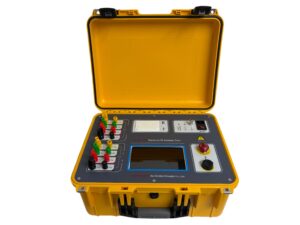
Click the image to know more about Transformer DC Resistance Tester.
Why Is Generator Test Data Management Difficult for Manufacturers?
Generator testing produces a large amount of information during every inspection process. A single test may include:
- Voltage and current measurements
- Insulation resistance values
- High voltage withstand test results
- Load performance data
- Timing and transient response records
- Calibration information
For large factories, thousands of generators may be tested every year. This creates millions of data points that are difficult to manage through traditional spreadsheets.
The main challenge is not only the volume of data but also data quality.
During daily production, problems may occur:
- Operators use different recording methods
- Test files have inconsistent names
- Equipment settings change between tests
- Repeated tests create duplicate records
- Important information is stored separately
Without a professional reporting system, engineers spend significant time organizing and correcting data before they can analyze equipment performance.
For global suppliers and OEM manufacturers, poor data management can also create problems during customer inspections and government audits.
How Does Automated Software Improve Generator Test Reporting?
Automated reporting software collects test results directly from testing equipment and converts them into structured reports.
Instead of manually copying data from instruments into Excel files, engineers can automatically generate:
- Test reports
- Performance summaries
- Failure analysis records
- Quality statistics
- Audit documents
A professional generator test reporting system allows managers to view important information through dashboards, including:
- Production pass rates
- Common failure problems
- Test equipment usage
- Maintenance status
- Historical performance trends
This helps quality teams quickly identify problems and improve production efficiency.
For example, Wrindu combines electrical testing equipment with software solutions to ensure that measurement data from generator tests can be accurately collected, analyzed, and stored.
Why Is a Database System Important for Generator Audit Management?
A database-based system is much more reliable than traditional file storage methods.
Generator factories need to manage:
- Different generator models
- Multiple production batches
- Customer-specific requirements
- Long-term maintenance records
- Calibration histories
A centralized database stores every test result with important information, including:
- Test time
- Operator name
- Equipment number
- Software version
- Calibration status
- Product serial number
This allows engineers to quickly search and compare historical records.
For example, if a customer reports a problem with a generator after several years, engineers can immediately find the original factory test data and identify possible causes.
Database systems also support quality improvement by analyzing relationships between:
- Production batches
- Failure rates
- Testing equipment conditions
- Environmental factors
This helps manufacturers discover hidden problems before they affect customers.
How Does Automated Data Analysis Reduce Human Errors?
Manual data processing creates many risks.
Common mistakes include:
- Incorrect data entry
- Wrong unit conversion
- Miscalculated limits
- Missing test records
- Incorrect report formatting
Automated software reduces these problems by applying predefined testing rules and analysis methods.
The system can automatically:
- Compare results with acceptance standards
- Identify abnormal values
- Generate warning notifications
- Create failure reports
- Record approval history
This ensures that every generator is tested according to the same requirements, regardless of which operator performs the test.
For manufacturers, this creates more consistent quality control and reduces the possibility of customer complaints.
Which Reporting Features Are Important for Generator Manufacturers?
A professional generator testing reporting system should provide features that support production, quality control, and customer requirements.
Important functions include:
Batch Quality Analysis
Managers can check production quality by:
- Batch number
- Product model
- Customer order
- Production period
Individual Test Tracking
Engineers can trace every generator through:
- Serial number
- Test parameters
- Operator records
- Previous inspection history
Automatic Report Generation
The system can create:
- PDF reports
- CSV files
- Customer-specific documents
- Bilingual reports
User Permission Management
Different users can have different access levels:
- Operators perform tests
- Engineers review results
- Managers view overall performance
- Auditors check compliance records
These functions help factories maintain better control over their testing processes.
How Are Generator Test Dashboards Different from Normal Data Dashboards?
General business dashboards only display basic information such as numbers and charts.
Generator testing dashboards are different because they understand electrical testing requirements.
A professional generator audit dashboard combines:
- Electrical measurement data
- Testing limits
- Equipment information
- Product specifications
- Failure history
Instead of only showing data, it answers practical questions:
- Does this generator meet quality requirements?
- Which production batch has higher failure rates?
- Which testing equipment needs calibration?
- Which models require additional inspection?
This makes decision-making faster for engineers and managers.
Why Is User Interface Design Important for Generator Test Software?
Large amounts of testing data can become confusing without a clear interface.
A good software interface allows users to quickly find important information through:
- Simple dashboards
- Search functions
- Filter options
- Failure summaries
- Trend charts
Factory managers usually care about:
- Today’s failed tests
- Recent retests
- Production quality trends
- Equipment problems
They do not need complicated database information.
A well-designed interface converts complex testing data into useful information that different departments can easily understand.
Why Should Generator Factories Choose Integrated Hardware and Software Solutions?
Using testing equipment and software from the same manufacturer provides better compatibility.
When hardware and software are developed together:
- Test data formats match automatically
- Measurement parameters are correctly recognized
- Report templates are easier to customize
- System maintenance becomes simpler
For generator manufacturers, this reduces problems caused by connecting different systems from multiple suppliers.
Wrindu provides integrated testing solutions combining electrical test equipment and software platforms, helping factories create standardized and efficient testing workflows.
How Can Wrindu Support OEM and Custom Generator Testing Projects?
Different manufacturers have different testing requirements.
Wrindu supports OEM and custom projects through:
- Customized test procedures
- Customer-specific report formats
- Software configuration
- Multiple product management
- Factory-level data solutions
The system can support different generator models with different testing requirements while keeping all records organized in one platform.
For international suppliers, multilingual reports and flexible data export functions help meet requirements from customers in different regions.
Are Automated Generator Test Reports Secure for Utility Audits?
Yes. Modern automated reporting systems can provide strong data security and traceability.
Important security features include:
- User access control
- Digital records
- Modification history
- Data backup
- Approval tracking
Large utilities and EPC companies usually require suppliers to prove:
- Who performed the test
- When the test was completed
- Which equipment was used
- Whether the data was modified
Automated reporting systems provide this information clearly and improve customer confidence.
How Can Factories Start Using Automated Generator Test Reporting?
Factories can begin implementation step by step.
A practical approach includes:
Step 1: Collect Existing Test Data
Integrate data from:
- Testing equipment
- Production lines
- Maintenance tools
Step 2: Standardize Test Information
Define:
- Product numbers
- Test names
- Acceptance limits
- Report formats
Step 3: Start with One Production Line
A pilot project helps verify system performance before expanding to the entire factory.
Step 4: Train Employees
Define responsibilities:
- Who performs tests
- Who reviews results
- Who approves reports
This gradual approach reduces implementation risks.
Can AI Improve Future Generator Testing and Quality Control?
Artificial intelligence can further improve generator testing by identifying hidden patterns in historical data.
AI-based analysis can detect:
- Early equipment degradation
- Unusual test trends
- Potential failure risks
- Abnormal production conditions
For large manufacturers, AI helps move from traditional quality inspection toward predictive quality management.
Instead of only finding problems after failures occur, factories can prevent issues before products leave the production line.
Frequently Asked Questions About Generator Test Reporting Software
What is automated generator test reporting software?
Automated generator test reporting software collects testing data directly from instruments and creates organized reports, dashboards, and historical records without manual data entry.
Why do generator manufacturers need digital test reports?
Digital reports improve data accuracy, simplify audits, reduce paperwork, and help manufacturers track product quality over long periods.
Can generator testing software connect with MES or ERP systems?
Yes. Many professional systems support data export or API integration, allowing test results and production information to connect with existing factory management systems.
How long does it take to implement generator test reporting software?
Implementation time depends on factory size and system requirements. A small pilot production line may be completed within several weeks, while large factories require longer deployment.
Is automated reporting suitable for small generator factories?
Yes. Small workshops can also benefit from standardized reports and digital records. The system can expand as production capacity increases.
What information should a generator test report include?
A complete generator test report should include:
- Product information
- Test parameters
- Measurement results
- Operator details
- Equipment calibration data
- Pass/fail evaluation
- Test date and time
Conclusion: Why Should Generator Manufacturers Adopt Software-Based Testing Reports?
As generator production becomes more global and quality requirements become stricter, traditional manual reporting methods are no longer enough.
Automated generator test reporting helps manufacturers transform complex testing data into valuable information. It improves audit readiness, increases production efficiency, and supports better quality decisions.
By combining reliable testing equipment with intelligent software solutions, manufacturers can build a more efficient, transparent, and competitive testing system for the global power industry.
