

How to Test Li-Ion Battery: Simple Step-by-Step Guide
Learn how to test Li-Ion batteries for voltage, capacity, internal resistance, and health. Follow our step-by-step guide with multimeter, battery testers, and professional analyzers to extend battery life and ensure safety.
Testing a Li-ion battery helps improve safety, performance, and battery life. Regular testing can identify low capacity, high internal resistance, or damaged cells before they cause device failure or safety problems.
Li-ion batteries are widely used in smartphones, laptops, electric vehicles, drones, power tools, and energy storage systems. Over time, heat, charge cycles, and over-discharge reduce battery performance. Routine testing helps prevent swelling, overheating, and sudden failure.
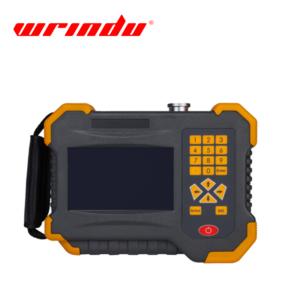
Click the image to know more about Wrindu Battery Internal Resistance Tester.
Tools Needed for Li-Ion Battery Testing
Common tools for Li-ion battery testing include:
- Digital multimeter
- Li-ion battery capacity tester
- Internal resistance tester
- Smart charger with test function
- Battery analyzer for professional testing
For safety, always use insulated gloves and avoid testing damaged or swollen batteries.
How to Test Li-Ion Battery Voltage
- Set the multimeter to DC voltage mode.
- Connect the red probe to the positive terminal and the black probe to the negative terminal.
- Check the voltage reading.
Typical voltage values:
- 4.1V–4.2V: Fully charged
- 3.6V–3.7V: Normal voltage
- Below 3.0V: Deep discharge condition
- Below 2.5V: Possible battery damage
How to Test Li-Ion Battery Internal Resistance
Internal resistance shows battery condition and power performance.
- Use an internal resistance tester or battery analyzer.
- Connect the battery terminals correctly.
- Measure resistance in milliohms (mΩ).
For most new 18650 cells, resistance below 50mΩ is considered good. High resistance usually means battery aging or damage.
How to Test Li-Ion Battery Capacity
Capacity testing measures the real mAh value of the battery.
- Fully charge the battery to 4.2V.
- Discharge the battery at constant current.
- Record the discharged capacity.
Example:
A 3000mAh battery should still provide around 2500mAh after many cycles. Lower values indicate capacity loss.
Important Battery Health Indicators
Key battery health factors include:
- State of Health (SOH): Above 80% is generally good
- Internal resistance: Lower values are better
- Battery temperature: Keep between 20°C–40°C during testing
- Swelling or leakage: Replace immediately if found
Common Li-Ion Battery Testers
| Tester Model | Main Features | Best For |
|---|---|---|
| Opus BT-C3100 | Capacity testing, affordable | 18650 battery testing |
| SkyRC MC3000 | Bluetooth, advanced analysis | Professional battery testing |
| YR1035+ | Accurate resistance testing | Internal resistance checks |
| ZKETECH D6 | Balance charging, touchscreen | Drone and RC batteries |
Li-Ion Battery Testing in Industry
Battery testing demand continues growing with the expansion of electric vehicles and renewable energy storage. Modern battery testers now support smart monitoring, cloud analysis, and predictive maintenance.
Wrindu provides professional battery testing and diagnostic equipment for industrial applications, supporting reliable testing for batteries, transformers, cables, and electrical systems worldwide.
FAQs
Q1: How do you test a Li-ion battery with a multimeter?
A1: Set the multimeter to DC voltage mode and measure the voltage across the battery terminals. A healthy fully charged cell usually reads 4.1V–4.2V.
Q2: What voltage is too low for a Li-ion battery?
A2: Below 3.0V indicates deep discharge, while below 2.5V may permanently damage the battery.
Q3: How can I check Li-ion battery capacity at home?
A3: Use a battery capacity tester or smart charger that measures discharged mAh during a full charge and discharge cycle.
Q4: What is a good internal resistance for a Li-ion battery?
A4: Most new 18650 batteries should have internal resistance below 50mΩ. Higher values indicate aging or poor performance.
Q5: Can a swollen Li-ion battery be tested?
A5: No. Swollen batteries are unsafe and should be isolated and replaced immediately.
Q6: How often should Li-ion batteries be tested?
A6: Batteries used frequently in EVs, drones, or industrial equipment should be tested regularly, especially after many charge cycles.
Q7: What is the safest way to test a Li-ion battery?
A7: Use proper battery testing equipment, avoid short circuits, wear protective gear, and never test damaged batteries.
Q8: Can Li-ion battery testing improve battery life?
A8: Yes. Regular testing helps detect problems early and prevents over-discharge, overheating, and unexpected failures.
Q9: What causes Li-ion battery capacity loss?
A9: Heat, overcharging, deep discharge, aging, and repeated charge cycles gradually reduce battery capacity.
Q10: What is the best tester for Li-ion batteries?
A10: For home use, Opus BT-C3100 and SkyRC MC3000 are popular choices. Professional applications may require advanced battery analyzers.
