

How to Troubleshoot High Voltage Power Supply Problems During Testing?
Learn how to troubleshoot high voltage power supply problems, including voltage drops, overloads, protection alarms, and unexpected shutdowns.
A high voltage power supply may fail to reach the target voltage, stop during a test, or trigger a protection alarm. These problems can delay testing and make it difficult to identify the real cause.
However, not every output problem means that the power supply itself is faulty.
The cause may be an incorrect setting, excessive load, a damaged connection, an insulation problem, or a protection limit.
A step-by-step troubleshooting process helps engineers identify possible causes without replacing equipment unnecessarily.
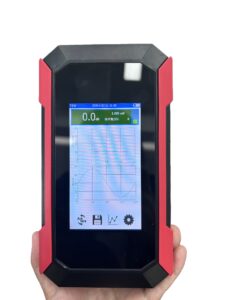
Click the image to know more about Wrindu Handheld PD Tester.
What Are the Most Common High Voltage Power Supply Problems?
Different symptoms can point to different causes.
| Symptom | Possible causes | Initial check |
|---|---|---|
| Output voltage cannot rise | Incorrect settings, excessive load, active protection | Check the approved operating settings and alarm status |
| Voltage drops under load | Current limit, excessive leakage, connection problems | Review load conditions and recorded current |
| Protection trips during testing | Overcurrent, overvoltage, insulation fault, interlock | Read the protection message and follow the manual |
| Output stops unexpectedly | Thermal protection, unstable input supply, control fault | Check system status and operating conditions |
| Test results vary between runs | Changing connections, test conditions, or measurement setup | Compare test records and setup conditions |
These are possible causes, not definitive diagnoses. Engineers should use the equipment’s fault codes and service instructions to narrow down the problem.
Why Can a High Voltage Power Supply Fail to Reach the Target Voltage?
A system may stop increasing its output before reaching the required test voltage.
Several factors can explain this behavior.
The Test Object Has a Higher Load Than Expected
Capacitive test objects draw current during AC voltage application.
For an ideal capacitive load, the RMS current is approximately:
I = 2πfCV
If capacitance or test frequency is higher than expected, the required current may exceed the equipment’s operating limit.
Engineers should compare the actual load with the manufacturer’s rated load range.
The Voltage or Frequency Setting Is Incorrect
Some testing systems provide several voltage ranges, output modes, or frequency settings.
An incorrect setting may prevent the equipment from reaching the expected operating condition.
Before testing, confirm that the selected mode matches the approved test procedure and the equipment’s specifications.
A Protection Limit Has Been Reached
The system may stop increasing voltage when it detects excessive current or another abnormal condition.
Do not repeatedly reset the protection and attempt to raise the voltage again without identifying the cause.
Review the alarm information and follow the manufacturer’s troubleshooting procedure.
Why Does the Output Voltage Drop During a Test?
A voltage drop may occur after the system reaches the target level.
Engineers should first determine whether the drop is brief, continuous, or associated with a protection event.
Check the Load and Leakage Current
Unexpected leakage current or a change in the test object’s condition may affect the output.
Compare the current reading with previous test records and the expected behavior of the test object.
If there is evidence of insulation breakdown or abnormal current, stop the test according to the approved procedure.
Inspect the External Connections
Loose, damaged, contaminated, or unsuitable connections may affect test performance.
After the system has been safely shut down and discharged according to the manufacturer’s procedure, inspect accessible cables, terminals, and connectors.
Do not touch high voltage components until the required isolation and discharge steps have been completed and the absence of hazardous voltage has been verified using the approved method.
Check the Input Power Supply
The input source may be outside the equipment’s specified operating range.
Engineers should check the input voltage, frequency, and relevant supply conditions against the equipment manual.
Any measurements inside energized equipment should be performed only by qualified personnel using the required safety procedures.
What Should Engineers Do When a Protection Alarm Appears?
Protection alarms provide important information about the condition of the system.
The correct response depends on the alarm type.
Overcurrent Alarm
An overcurrent alarm may indicate excessive load, abnormal leakage, a short circuit, or another electrical problem.
Engineers should review the current reading and test conditions. The test object and connection circuit should be checked using the approved procedure.
Overvoltage Alarm
An overvoltage alarm may be related to incorrect settings, a control problem, or an abnormal output condition.
Stop the test and check the recorded voltage and configuration. Do not bypass the protection function to continue testing.
Temperature or Cooling Alarm
Some power supplies use thermal protection to prevent damage.
Check the equipment’s ventilation, cooling arrangements, ambient conditions, and duty-cycle requirements after the unit has been safely shut down.
Do not open the equipment or work on internal components unless qualified and authorized to do so.
Safety Interlock Alarm
An interlock alarm may indicate that a safety condition has not been met.
Check the specified interlock circuit, access controls, and system status. Never bypass an interlock to make the equipment operate.
How Can Engineers Separate Power Supply Faults From Test Object Faults?
A useful troubleshooting method is to compare the system’s behavior with known operating conditions.
First, record the test voltage, current, frequency, duration, and any alarm messages.
Next, review the test object’s condition and the previous results. A sudden change in current or voltage behavior may provide useful diagnostic evidence.
Then, check the external connections and configuration after the equipment has been made safe.
Where the manufacturer’s procedure permits, qualified personnel may perform approved checks using a suitable reference load or test setup.
Engineers should not connect an arbitrary test object or substitute load to a high voltage source. Any test arrangement must remain within the equipment’s ratings and the applicable safety requirements.
If the problem continues under approved conditions, the power supply may require professional inspection.
How Can Maintenance Reduce Unexpected Power Supply Failures?
Preventive maintenance helps identify problems before they interrupt testing.
A maintenance plan should include:
- Inspecting cables, connectors, and visible insulation for damage
- Checking cooling paths and ventilation
- Reviewing alarms and unusual operating events
- Confirming that protective functions operate according to the manufacturer’s procedure
- Keeping records of output voltage, current, test duration, and faults
- Following the recommended service and calibration schedule
Records are particularly useful when the same problem appears repeatedly. Comparing operating data can help engineers identify changes in load, environmental conditions, or equipment behavior.
When Should Engineers Contact the Manufacturer?
Some faults cannot be resolved through routine checks.
Contact the manufacturer or an authorized service provider when:
- The same protection alarm returns after the approved checks
- The output remains abnormal under permitted operating conditions
- The equipment shows signs of overheating, burning, or physical damage
- Internal components or control circuits may be faulty
- A required safety function does not operate correctly
Provide the model number, fault code, operating settings, and a description of the problem. If available, include test records captured before the fault occurred.
This information can help technical staff understand the problem more quickly.
How Does Wrindu Support High Voltage Testing Applications?
Wrindu provides high voltage testing equipment for cable insulation, electrical equipment maintenance, and other power industry applications.
For example, the RDVLF-Z80Y 80 kV VLF AC Withstand Voltage Tester is designed for VLF cable testing.
When evaluating a tester, engineers should review its operating limits, alarm functions, maintenance requirements, and technical support arrangements to confirm that it suits the intended application.
For equipment-specific faults, users should follow the product manual and contact Wrindu’s technical team when further assistance is needed.
FAQs About High Voltage Power Supply Troubleshooting
Why does a high voltage tester stop before reaching the set voltage?
Possible causes include excessive load, incorrect settings, current limiting, or an active protection function. Engineers should review the alarm status and operating conditions before continuing.
Should I restart a high voltage power supply after a protection trip?
Not immediately without checking the cause. Follow the manufacturer’s shutdown and troubleshooting procedure before attempting another test.
Can a faulty test cable cause a power supply alarm?
Yes. Damaged insulation, abnormal leakage, or an unsuitable connection may trigger protection. The cable and test circuit should be checked using an approved procedure.
How can I tell whether a voltage drop comes from the power supply or the test object?
Review voltage and current records, test conditions, alarms, and connection status. Further checks should use only approved methods and suitable equipment.
How often should a high voltage power supply be maintained?
Follow the manufacturer’s recommended maintenance schedule. Inspection frequency may also depend on usage, operating conditions, and the requirements of the facility’s maintenance program.
