

Moisture Content Testing Methods (Karl Fischer)
Learn Karl Fischer moisture testing for transformer oil step by step. Discover methods, accuracy tips, common mistakes, and how Wrindu testers ensure precise water content analysis.
Moisture in transformer oil is one of the most critical factors affecting insulation performance and equipment lifespan. Even small amounts of water can significantly reduce dielectric strength and accelerate aging.
This guide explains Karl Fischer moisture testing, one of the most accurate and widely used methods for detecting water content in transformer oil.
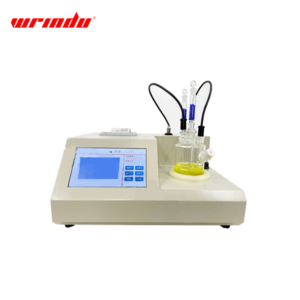
Click the image to know more about Wrindu Micro Water Tester.
What Is Moisture Content in Transformer Oil?
Moisture content refers to the amount of water dissolved or suspended in transformer oil, usually measured in ppm (parts per million).
Water can enter the oil through:
- Aging insulation materials
- Poor sealing or leaks
- Humidity from the surrounding environment
- Improper oil handling
Why Is Moisture Testing So Important?
Excess moisture can lead to serious problems, including:
- Reduced dielectric strength
- Increased risk of electrical breakdown
- Accelerated insulation aging
- Formation of bubbles under high temperature
Regular testing helps ensure safe and reliable transformer operation.
What Is the Karl Fischer Method?
The Karl Fischer method is a chemical testing technique specifically designed to measure water content with high precision.
It is widely used because it:
- Detects very low levels of moisture
- Provides fast and accurate results
- Works well with insulating oils
There are two main types:
- Volumetric Karl Fischer – suitable for higher moisture levels
- Coulometric Karl Fischer – ideal for trace moisture detection
How Does Karl Fischer Moisture Testing Work?
The Karl Fischer method is based on a chemical reaction where water reacts with iodine and sulfur dioxide in the presence of an alcohol and a base.
The amount of iodine consumed is directly proportional to the amount of water in the sample.
How Do You Perform Karl Fischer Testing Step by Step?
1. How Do You Prepare the Sample?
- Take a clean, sealed oil sample
- Avoid exposure to air to prevent moisture contamination
- Use a syringe or sealed sampling system
2. How Is the Instrument Prepared?
- Turn on the Karl Fischer titrator
- Add the appropriate reagent
- Calibrate the instrument if required
3. How Is the Sample Injected?
- Inject a precise amount of oil into the titration cell
- Ensure no air bubbles enter during injection
4. How Does the Reaction Occur?
- The instrument automatically starts the titration
- Water in the sample reacts with the reagent
- The system measures the amount of iodine consumed
5. How Are Results Calculated?
- The instrument calculates moisture content in ppm
- Results are displayed digitally within minutes
What Factors Affect Moisture Test Accuracy?
To get reliable results, pay attention to:
- Sample handling and storage
- Instrument calibration
- Reagent quality and freshness
- Ambient humidity during testing
How Wrindu Testers Stand Out
Wrindu Karl Fischer moisture testers are designed for precision, reliability, and ease of use in transformer oil analysis.
Key Advantages:
1. High Sensitivity Detection
Wrindu testers can detect trace moisture levels, making them ideal for critical insulation monitoring.
2. Automated Operation
Fully automated titration reduces human error and improves repeatability.
3. Fast and Stable Results
Advanced control systems ensure quick analysis with consistent accuracy.
4. User-Friendly Design
Intuitive interface and simple workflows make testing efficient for both beginners and experts.
5. Robust Industrial Performance
Built for field and laboratory use, ensuring durability in demanding environments.
For utilities and maintenance teams, Wrindu provides confidence in every measurement.
What Are Common Mistakes in Moisture Testing?
Avoid these common issues:
- Exposing samples to air before testing
- Using contaminated syringes or containers
- Not replacing old reagents
- Skipping calibration steps
These mistakes can lead to inaccurate moisture readings.
FAQs
Q1: What is a safe moisture level in transformer oil?
A: Typically, moisture should be below 30 ppm for good insulation performance, but limits vary depending on standards and operating conditions.
Q2: What is the difference between volumetric and coulometric Karl Fischer methods?
A: Volumetric is used for higher moisture levels, while coulometric is more suitable for detecting very low (trace) moisture content.
Q3: How often should moisture testing be performed?
A: It is recommended during routine maintenance, especially for aging transformers or those operating in humid environments.
Q4: Can moisture be removed from transformer oil?
A: Yes. Processes like vacuum dehydration and oil filtration can effectively reduce moisture content.
Q5: Why are my Karl Fischer results inconsistent?
A: Possible causes include sample contamination, expired reagents, or improper instrument calibration.
Q6: Is Karl Fischer better than other moisture testing methods?
A: Yes. It is considered one of the most accurate methods for detecting water content in transformer oil.
Final Thoughts
Moisture testing using the Karl Fischer method is essential for maintaining transformer health and preventing insulation failure. With its high accuracy and reliability, it remains the industry standard for water content analysis.
By combining proper testing procedures with advanced tools like Wrindu testers, you can ensure long-term performance and safety of your power equipment.
