

Should You Use a Hi-Pot Tester or a Megohmmeter for Insulation Testing
Learn the difference between hi-pot testers and megohmmeters, how each insulation test works, and when to use them. Understand safety testing vs resistance measurement for electrical equipment.
Choosing between a hi-pot tester and a megohmmeter depends less on the instruments themselves and more on what kind of result you need from the insulation test. Although both devices evaluate insulation by applying high voltage and measuring leakage current, their purpose and testing outcomes are quite different.
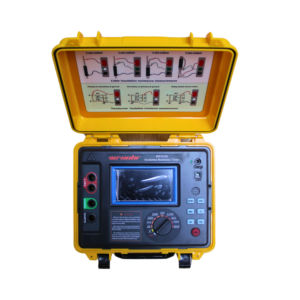
Click the image to know more about Wrindu IR Tester.
What Do a Hi-Pot Tester and a Megohmmeter Actually Do?
Both instruments are designed to evaluate insulation quality by stressing it with high voltage and observing leakage current behavior.
However:
- A megohmmeter focuses on measurement and diagnostics
- A hi-pot tester focuses on stress testing and safety verification
How Does a Megohmmeter Work in Insulation Testing?
A megohmmeter measures extremely small leakage currents (often in nanoamp levels) passing through insulation. It then converts this into resistance values, usually expressed in megaohms (MΩ).
Key characteristics include:
- Low test current
- Non-destructive testing method
- Highly suitable for repeated measurements
- Used for trend analysis over time
In general:
- Above 1 MΩ is usually considered acceptable
- Lower values may indicate insulation deterioration
A megohmmeter is ideal for preventive maintenance and lifecycle monitoring.
When Should You Use a Megohmmeter?
A megohmmeter is best used when you need:
- Long-term insulation condition tracking
- Routine maintenance testing
- Non-destructive diagnostics
- Trend-based condition assessment
It helps engineers decide whether equipment should be:
- Kept in service
- Cleaned or repaired
- Replaced
Because it applies limited energy, it does not damage insulation during testing.
What Is a Hi-Pot Tester Used For?
A hi-pot tester (high potential tester) is mainly used to verify whether insulation can withstand high voltage stress without breakdown.
It is commonly used for:
- Electrical safety validation
- Final product testing
- Cables, motors, transformers, and assemblies
Unlike a megohmmeter, a hi-pot tester applies higher stress to the insulation to confirm safety compliance.
How Does Hi-Pot Testing Work?
A hi-pot tester applies high AC or DC voltage to the insulation system and monitors leakage current.
The goal is to:
- Identify weak insulation areas
- Force potential failure conditions
- Confirm safety margins
This makes it a more aggressive test compared to a megohmmeter.
In some cases, “tip-up testing” is used:
- Voltage and current rise together under normal conditions
- A sudden current increase indicates insulation weakness
- The test is stopped immediately to prevent damage
What Is the Key Difference Between Hi-Pot and Megohmmeter Testing?
Although both test insulation, their purpose is different:
- Megohmmeter → Measures insulation quality
- Hi-Pot tester → Verifies insulation strength under stress
In simple terms:
- One tells you how good the insulation is
- The other tells you if it can survive high voltage conditions
When Should You Use a Hi-Pot Tester?
A hi-pot tester is best used when you need:
- Final safety approval of electrical equipment
- Compliance testing before shipment
- Verification of insulation strength
- Stress testing to detect weak points
If insulation fails during a hi-pot test, it usually means the equipment is not safe for operation.
How Do You Choose Between Hi-Pot and Megohmmeter Testing?
The choice depends on your testing goal:
- If you need trend analysis and condition monitoring, use a megohmmeter
- If you need safety validation and compliance testing, use a hi-pot tester
Other factors include:
- Type of equipment being tested
- Required voltage level
- Industry safety standards
- Testing frequency and maintenance strategy
Can Hi-Pot and Megohmmeter Tests Be Used Together?
Yes, in many industrial applications both tests are used together:
- Megohmmeter → Early detection and monitoring
- Hi-Pot tester → Final safety confirmation
This combination provides a more complete view of insulation health.
FAQs About Hi-Pot vs Megohmmeter Testing
What is the main difference between a hi-pot tester and a megohmmeter?
A megohmmeter measures insulation resistance, while a hi-pot tester verifies insulation strength under high voltage stress.
Does hi-pot testing damage equipment?
It can damage weak insulation if it fails during the test, as it is a stress-based safety test.
Is megohmmeter testing safe for repeated use?
Yes, it uses low energy and is designed for routine and non-destructive testing.
Which test is better for preventive maintenance?
A megohmmeter is better for long-term condition monitoring and trend analysis.
When should hi-pot testing be performed?
It is usually performed during final inspection, certification, or safety validation.
Can both tests be used on the same equipment?
Yes, combining both provides better insight into insulation condition and safety.
Conclusion
Both hi-pot testers and megohmmeters play important roles in insulation testing, but they serve different purposes. A megohmmeter focuses on measurement and long-term monitoring, while a hi-pot tester focuses on safety verification under high voltage stress.
Choosing the right tool depends on whether you need diagnostic insight or compliance assurance.
