

What Is Sludge Formation and Its Impact in Transformer Oil
Learn how sludge forms in transformer oil, its impact on cooling and insulation, and how to prevent transformer failures through early detection and maintenance strategies.
Sludge formation is one of the most damaging outcomes of transformer oil aging. It develops gradually as oil oxidizes and degrades, producing insoluble byproducts that settle inside the transformer tank and cooling system. Over time, sludge can severely affect both thermal performance and insulation reliability, leading to higher operating risk and potential equipment failure.
Understanding how sludge forms, why it is dangerous, and how to detect it early is essential for effective transformer maintenance.
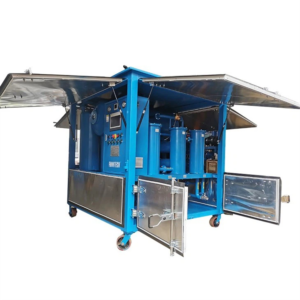
Click the image to know more about High Efficiency Vacuum Pump Oil Filter.
What Is Sludge in Transformer Oil?
Sludge is a semi-solid deposit formed from oxidized oil compounds, moisture, and contaminants.
What is it made of?
- Oxidation byproducts (acids, resins)
- Polymerized hydrocarbons
- Moisture and fine particles
👉 Sludge is essentially the end-stage product of oil degradation.
How Does Sludge Form in Transformer Oil?
Sludge formation is a multi-step chemical and physical process.
What triggers sludge formation?
- Oil oxidation
- High operating temperature
- Moisture contamination
- Long-term aging of insulation paper
How does the process develop?
- Oil oxidizes → acidic compounds form
- Compounds polymerize → heavier molecules appear
- Insoluble materials separate → sludge deposits form
👉 Sludge formation is usually a sign of advanced oil aging.
Why Is Sludge Formation Dangerous for Transformers?
Sludge affects transformer performance in multiple ways:
How does sludge affect cooling efficiency?
- Blocks oil circulation channels
- Reduces heat transfer capability
- Causes localized overheating
How does sludge impact insulation?
- Traps heat around windings
- Accelerates paper insulation aging
- Increases risk of dielectric breakdown
Can sludge lead to transformer failure?
Yes. Severe sludge accumulation can lead to:
- Thermal runaway conditions
- Insulation failure
- Unexpected transformer outages
What Are the Early Warning Signs of Sludge Formation?
Sludge does not appear suddenly. It develops over time with clear indicators.
Common early signs include:
- Darkening of transformer oil
- Increasing acidity (TAN)
- Decreasing interfacial tension (IFT)
- Rising viscosity
- Reduced cooling efficiency
👉 These indicators often appear before visible sludge is detected.
How Can Sludge Formation Be Prevented?
Sludge formation can be significantly delayed with proper maintenance strategies.
Effective prevention methods:
- Regular oil testing and monitoring
- Oil filtration and regeneration
- Moisture control systems
- Temperature management
- Use of oxidation inhibitors
👉 Prevention is always more cost-effective than sludge removal.
How Is Sludge Removed from Transformer Systems?
Once sludge is formed, maintenance becomes more complex.
Common removal methods:
- Oil draining and flushing
- Hot oil circulation cleaning
- Vacuum filtration systems
- Full oil replacement in severe cases
👉 The method depends on severity of contamination and equipment condition.
How Wrindu Testers Stand Out?
Wrindu transformer oil testing solutions help detect early conditions that lead to sludge formation.
Key advantages:
✔ Early Detection of Oil Degradation
Wrindu testers help identify:
- Rising moisture levels
- Decreasing dielectric strength
- Early signs of oxidation
✔ High-Accuracy Condition Monitoring
Ensure reliable measurement of:
- Oil quality indicators
- Insulation performance parameters
✔ Field-Ready Testing Capability
Support on-site diagnostics for faster decision-making.
✔ Predictive Maintenance Support
Enable trend tracking to identify sludge risk before formation.
👉 Wrindu testers help operators move from reactive sludge removal to proactive prevention.
FAQs: Sludge Formation in Transformer Oil
Q1: What causes sludge formation in transformer oil?
A: Sludge is mainly caused by oil oxidation, high temperature, moisture contamination, and long-term aging.
Q2: Is sludge formation reversible?
A: No. Sludge itself cannot be reversed, but oil regeneration and filtration can reduce its impact.
Q3: How do I know if sludge is forming in my transformer?
A: Early signs include dark oil color, rising acidity, reduced IFT, and poor cooling performance.
Q4: Why does sludge reduce cooling efficiency?
A: It blocks oil flow paths and prevents proper heat dissipation inside the transformer.
Q5: Can sludge cause transformer failure?
A: Yes. Severe sludge buildup can lead to overheating, insulation breakdown, and system failure.
Q6: How often should oil testing be done to prevent sludge?
A: Typically every 6–12 months, or more frequently in high-load or critical systems.
Conclusion
Sludge formation is a serious consequence of transformer oil degradation that directly impacts cooling performance and insulation safety. Once formed, it is difficult and costly to remove, making early detection and prevention essential.
Through proper oil monitoring, regular testing, and predictive maintenance strategies, operators can effectively reduce sludge risk and ensure long-term transformer reliability.
