

A Simple Guide to Electrical Motor Testing: Steps and Benefits
Learn how electrical motor testing improves reliability and prevents breakdowns. Discover key tests including insulation resistance, PI, winding resistance, surge testing, partial discharge, vibration analysis, and the difference between static and dynamic motor testing.
Electric motors are the hidden heroes of modern industry. They power everything from manufacturing assembly lines to large-scale power generators. Because we rely on them so much, keeping them healthy is a top priority.
But how do you know if a motor is working perfectly or about to break down? The answer is regular electrical motor testing. Let’s dive into how it works, why it matters, and how you can do it simply.
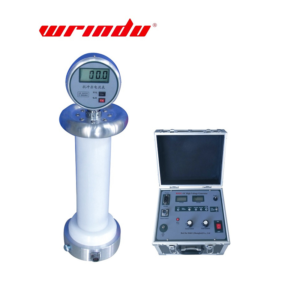
Click the picture to know more about Wrindu DC Withstand HV Tester.
Why Is Electrical Motor Testing Important?
Over time, electric motors take a lot of beating. Heat, dust, moisture, and heavy workloads can damage them. If you don’t check them regularly, a tiny issue can turn into a major, expensive breakdown.
Testing your motors offers several key benefits:
-
Better Reliability: You catch problems early before the motor suddenly stops working.
-
Lower Costs: Fixing a small issue is much cheaper than replacing a whole motor system.
-
Energy Efficiency: Well-maintained motors use less power, lowering your energy bills.
-
Longer Lifespan: Regular check-ups help your equipment last for many years.
What Are the Essential Steps in Electrical Motor Testing?
Testing a motor involves a mix of static (offline) and dynamic (online) checks. Here is a step-by-step walkthrough of the process:
Step 1: What Can You See in a Visual Inspection?
Before using any high-tech tools, just look at the motor. Check for loose wires, rust, dirt, or signs of overheating (like burnt smells or discolored parts). It is simple, but it catches a lot of early warning signs.
Step 2: How Do You Check the Insulation Resistance (IR)?
Motor windings have insulation to prevent electrical shorts. Over time, moisture and heat can degrade it. Using a special tool called a megohmmeter, you can measure the resistance. Low resistance means the insulation is breaking down.
Step 3: Why Do You Need a Polarisation Index (PI) Test?
This is a longer version of the insulation test. It measures how the insulation handles electrical stress over time. It is great for spotting deeper moisture or aging issues inside the windings.
Step 4: What Does Winding Resistance Testing Show?
By measuring the resistance of each coil inside the motor, you can make sure they are perfectly balanced. Imbalances point to short circuits or loose connections that cause overheating.
Step 5: When Should You Use High Voltage Testing?
Tests like Hipot (Dielectric) and Surge testing apply a burst of high voltage to the motor. This simulates heavy operational stress to ensure the motor can handle real-world electrical surges without failing.
Step 6: What Is Partial Discharge (PD) Detection?
Mainly used for large, high-voltage motors, this highly sensitive test listens for tiny electrical sparks inside the insulation. It catches severe insulation failure long before it actually happens.
Step 7: How Does Vibration Analysis Help?
Not all motor problems are electrical—about half are mechanical! Vibration analysis looks for wobbles, loose bearings, or bad alignment that could wear out the motor physically.
Step 8: What Is Dynamic Testing?
While the other tests happen while the motor is turned off, dynamic testing happens while the motor is running. It shows how the motor behaves under a real workload and helps identify power quality issues.
FAQs: Frequently Asked Questions
What is the difference between static and dynamic motor testing?
Static testing is done when the motor is completely turned off (offline). It focuses on the physical health of the parts, like insulation and coils. Dynamic testing is done while the motor is running (online) to see how it performs under actual working conditions.
How often should electrical motor testing be performed?
It depends on how hard the motor works and its environment. Generally, a basic visual inspection and insulation check should be part of regular routine maintenance (e.g., every few months), while advanced high-voltage testing can be done during annual scheduled shutdowns.
Can vibration analysis detect electrical faults in a motor?
Vibration analysis is primarily used to find mechanical faults like bad alignment, unbalance, or worn-out bearings. However, severe electrical imbalances can sometimes cause uneven magnetic forces, which show up as specific vibration patterns.
Why does moisture affect electrical motor insulation?
Moisture conducts electricity. If water or high humidity gets into the motor windings, it creates a path for electricity to escape, lowering the insulation resistance and causing a dangerous short circuit.
