

Transformer Oil BDV Sample Preparation: How to Collect and Handle Oil Samples
Learn how to collect, handle, store, and prepare transformer oil samples for BDV testing to reduce contamination and improve result reliability.
Transformer oil breakdown voltage (BDV) testing depends on both the condition of the oil and the way the sample is collected and handled. Moisture, solid particles, and air bubbles can influence the electric field between the test electrodes and affect the measured breakdown voltage.
Correct sample handling helps maintenance teams obtain more representative and repeatable results. The sampling procedure should follow the applicable test method and the requirements of the transformer maintenance program.
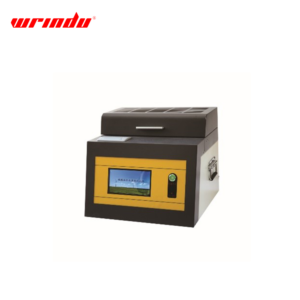
Click the image to know more about Wrindu Oil BDV Tester.
Why Does Sample Preparation Affect Transformer Oil BDV Results?
Transformer oil BDV testing measures the voltage at which electrical breakdown occurs in an oil sample under specified conditions. The result can change when the sample contains contaminants or when handling introduces new contamination.
ASTM D1816 specifically identifies sensitivity to moisture, particularly when cellulosic fibers are present in the oil. IEC 60156 also specifies controlled test conditions for determining breakdown voltage.
| Sample condition | Possible effect on BDV testing | Recommended action |
|---|---|---|
| Moisture contamination | May reduce breakdown voltage | Use clean, dry sampling equipment and prevent water ingress |
| Solid particles | May distort the local electric field | Avoid dust and fiber contamination |
| Air bubbles | May cause inconsistent breakdown behavior | Fill and handle the test cell according to the selected method |
| Dirty sampling container | May introduce foreign material | Use a suitable clean, dry container |
| Inconsistent handling | May increase variation between tests | Apply the same sampling and preparation procedure |
The exact effect depends on the type and concentration of contamination. BDV alone cannot identify the contaminant or quantify the water content.
How Should You Collect a Transformer Oil Sample for BDV Testing?
Start by identifying the transformer, sampling point, oil type, and reason for testing. This information helps ensure that the sample is traceable to the equipment being assessed.
Use a suitable sampling container that is clean, dry, and compatible with the insulating liquid. Follow the equipment manufacturer’s sampling instructions and the applicable industry procedure.
Before collecting the sample, check the sampling point and equipment for possible sources of contamination. Avoid introducing water, dust, fibers, or cleaning residues into the oil.
Collect the sample using a procedure appropriate for the sampling point. Do not assume that oil taken from different locations in a transformer will always have identical properties.
Seal the container securely after sampling. Label it with the transformer identification, sampling location, date, and other information required by the maintenance program.
How Should You Store and Transport Transformer Oil Samples?
Keep the sample sealed during storage and transport to reduce exposure to moisture and airborne contaminants. Use a container and closure suitable for the oil and the intended test.
Avoid unnecessary transfers between containers. Each transfer creates another opportunity for contamination or sample mix-up.
Record any unusual sample conditions, such as visible water, suspended material, or a damaged seal. These observations can help the laboratory decide whether additional investigation is needed.
Do not use a universal storage time or temperature without checking the applicable method and sampling procedure. The permitted conditions may depend on the insulating liquid and the test purpose.
How Do You Prepare an Oil Sample Before BDV Testing?
Inspect the sample and confirm its identification before opening the container. Check the test cell, electrodes, and instrument for cleanliness and correct configuration.
Fill the test cell carefully to avoid introducing unnecessary air bubbles. Follow the settling time, electrode spacing, voltage application rate, and other requirements of the selected standard.
For IEC 60156:2018, the specified procedure includes six breakdowns using the same cell filling, with at least 2 minutes between successive voltage applications. The 2025 edition should be consulted when the test specification requires the newer edition.
Do not combine procedures from different standards. ASTM D1816, ASTM D877, and IEC 60156 use defined test conditions, so results obtained under different methods may not be directly comparable.
What Should You Check Before Accepting a BDV Result?
Confirm that the sample identification, test method, electrode arrangement, and test conditions are recorded. Review individual breakdown values for unusual variation.
If the results are inconsistent, inspect the sample and test setup before concluding that the transformer oil has deteriorated. Repeat testing only according to the applicable procedure.
When BDV results indicate a possible oil-quality problem, consider complementary tests such as water content or other oil-condition measurements. These tests help distinguish electrical breakdown performance from other aspects of oil condition.
How Can an Oil BDV Tester Support Routine Maintenance?
A suitable oil BDV tester provides controlled voltage application and records breakdown voltage according to its supported test procedure. Instrument selection should account for the required standard, electrode configuration, voltage range, and reporting functions.
The Wrindu Oil Dielectric Strength Tester is a product option for evaluating transformer oil breakdown voltage. Confirm the required standard and specific model capabilities with Wrindu before selecting equipment.
Conclusion
Transformer oil BDV sample preparation is an important part of reliable oil testing. Clean sampling equipment, careful handling, suitable storage, and standard-compliant test-cell preparation help reduce avoidable variation.
A representative sample and a documented procedure provide a stronger basis for comparing results over time and deciding whether further oil-condition testing is necessary.
