

What Are PCBs in Transformer Oil? Risks, Uses, and Environmental Impact
Learn what PCBs in transformer oil are, why they were used, their health and environmental risks, detection methods, regulations, and frequently asked questions about PCB contamination.
Transformer oil plays a critical role in electrical equipment by providing insulation and cooling. However, in the past, some insulating fluids contained substances known as PCBs (Polychlorinated Biphenyls). While these chemicals offered excellent electrical performance, they were later found to pose serious health and environmental risks. Understanding PCBs and their relationship with transformer oil is important for utilities, maintenance engineers, and environmental professionals.
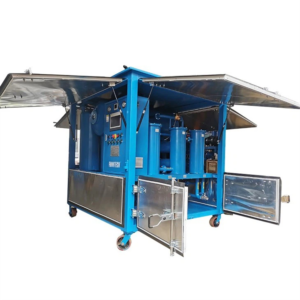
Click the image to know more about High Efficiency Vacuum Pump Oil Filter.
What Are PCBs in Transformer Oil?
Polychlorinated Biphenyls (PCBs) are a group of synthetic organic chemicals that were widely used in electrical equipment for decades. Due to their excellent dielectric properties, thermal stability, and low flammability, PCBs were commonly used as insulating fluids in transformers, capacitors, and other high-voltage equipment.
Modern mineral transformer oils are petroleum-based products and do not contain PCBs. Many countries have banned the production and use of PCB-containing oils because of their harmful effects on human health and the environment.
Why Were PCBs Used in Electrical Equipment?
PCBs became popular in the electrical industry because they offered several technical advantages:
- Excellent electrical insulation performance
- High resistance to heat and thermal degradation
- Strong chemical stability
- Resistance to acids, alkalis, and oxidation
- Low flammability compared to conventional oils
- Good compatibility with metal components
These characteristics made PCB-based fluids attractive for transformers operating under demanding conditions.
Why Are PCBs Considered Dangerous?
Although PCBs provide excellent technical performance, they have been identified as hazardous pollutants.
Research has shown that PCBs can accumulate in living organisms and remain in the environment for long periods. Exposure to PCB contamination has been associated with various health concerns, including:
- Increased cancer risk
- Nervous system disorders
- Reproductive system damage
- Immune system impairment
- Skin diseases and irritation
- Potential effects on brain development
Because PCBs are difficult for the body to eliminate, they can build up in fatty tissues over time, increasing long-term health risks.
How Do PCBs Affect the Environment?
One of the most concerning characteristics of PCBs is their environmental persistence.
PCBs:
- Dissolve poorly in water
- Easily dissolve in oils, fats, and organic solvents
- Decompose very slowly in nature
- Accumulate in animals and humans through the food chain
As a result, even small releases of PCB-containing oil can cause long-term environmental contamination. This bioaccumulation effect has led to strict regulations worldwide regarding PCB management and disposal.
What Are the Physical and Chemical Properties of PCBs?
PCBs are known for their exceptional stability.
Key properties include:
- High chemical resistance
- Strong resistance to oxidation
- Resistance to acids and alkalis
- Excellent dielectric strength
- Good thermal stability
- Non-corrosive to most metals
- High decomposition temperature
These characteristics explain why PCBs were widely used despite the environmental risks later discovered.
Are PCBs Still Found in Transformers Today?
Most new transformers do not contain PCB-based insulating fluids. However, some older transformers and electrical equipment manufactured decades ago may still contain PCB-contaminated oil.
For this reason, many utilities and industrial facilities conduct routine oil testing to identify:
- PCB contamination
- Oil quality degradation
- Dielectric strength
- Moisture content
- Dissolved gases
Proper testing helps ensure regulatory compliance and safe equipment operation.
How Can PCBs Be Detected in Transformer Oil?
PCB contamination cannot usually be identified through visual inspection alone.
Laboratories typically use specialized analytical methods to determine PCB concentration in transformer oil samples. Regular oil analysis programs can help operators identify contaminated equipment and take corrective action before environmental or regulatory issues arise.
FAQs
Q: What does PCB stand for in transformer oil?
A: PCB stands for Polychlorinated Biphenyl, a synthetic chemical once widely used as an insulating fluid in electrical equipment.
Q: Do modern transformer oils contain PCBs?
A: No. Modern mineral transformer oils are generally PCB-free and comply with environmental regulations.
Q: Why were PCBs banned in many countries?
A: PCBs were banned because they are toxic, environmentally persistent, and can accumulate in human and animal tissues, causing serious health risks.
Q: How can I determine whether transformer oil contains PCBs?
A: The most reliable method is laboratory testing using specialized PCB analysis techniques.
Q: What happens if PCB-contaminated transformer oil leaks into the environment?
A: PCB contamination can persist for decades, affecting soil, water, wildlife, and human health through bioaccumulation.
Q: Are PCBs still present in old power transformers?
A: Some older transformers manufactured before PCB regulations were introduced may still contain PCB-contaminated insulating fluids.
Q: What tests are commonly performed to identify PCB contamination in transformer oil?
A: Utilities often combine PCB analysis with dielectric strength testing, moisture testing, dissolved gas analysis (DGA), and other transformer oil diagnostic tests.
Conclusion
PCBs were once widely used in transformer insulating fluids because of their outstanding electrical and thermal properties. However, their persistence in the environment and potential health hazards led to strict global restrictions and bans. Today, PCB-free transformer oils are the industry standard, while testing and monitoring programs remain essential for identifying contamination in aging electrical equipment and ensuring environmental compliance.
