

What Is the Difference Between a Lightning Rod and a Surge Arrester
Learn the difference between lightning rods and surge arresters, how they work, their applications in power systems, and lightning protection methods.
Lightning protection is essential for electrical systems, buildings, and power equipment. Two common devices used for lightning protection are lightning rods and surge arresters. Although both help reduce lightning damage, they work in different ways and are used in different applications.
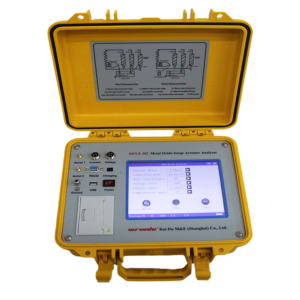
Click the image to know more about Metal Zinc Oxide Lightening Arrester.
What Is a Lightning Rod?
A lightning rod is a direct grounding device designed to protect structures from direct lightning strikes.
A typical lightning rod consists of:
- A metal rod installed at the highest point of a structure
- A grounding conductor
- A grounding system connected to the earth
The lightning rod is usually installed separately from the object being protected and is positioned higher than nearby structures.
During a thunderstorm, the electric field around the tip of the rod becomes highly concentrated. This helps attract lightning discharges and safely direct the lightning current into the ground through the grounding system. As a result, nearby buildings and equipment are less likely to be struck directly by lightning.
In many installations, the grounding resistance is kept below 10 ohms to ensure effective lightning current dissipation.
What Is a Surge Arrester?
A surge arrester is an indirect grounding device used to protect electrical equipment from lightning-induced overvoltages.
Unlike a lightning rod, a surge arrester is connected directly to the equipment or power line being protected.
Common applications include:
- Power transmission lines
- Distribution systems
- Transformers
- Switchgear
- Electrical equipment
Under normal operating conditions, a surge arrester remains non-conductive and has very high resistance.
When a lightning surge or overvoltage occurs, its resistance drops rapidly, allowing the excess energy to flow safely to ground. This limits the voltage reaching the protected equipment and prevents insulation failure or equipment damage.
Modern surge arresters commonly use zinc oxide (ZnO) varistor technology, which provides highly nonlinear resistance characteristics:
- High resistance at normal voltage
- Low resistance during overvoltage conditions
This allows the arrester to respond quickly to lightning surges while remaining inactive during normal system operation.
Lightning Rod vs Surge Arrester
| Feature | Lightning Rod | Surge Arrester |
|---|---|---|
| Main Purpose | Protect against direct lightning strikes | Protect against lightning overvoltage |
| Grounding Type | Direct grounding | Indirect grounding |
| Installation | Separate from protected object | Connected to protected equipment |
| Protection Target | Buildings, towers, structures | Power lines and electrical equipment |
| Operating Principle | Directs lightning current to earth | Limits surge voltage and diverts energy to ground |
| Normal State | Always grounded | High resistance |
| During Lightning | Conducts lightning current | Becomes conductive during overvoltage |
Why Are Both Devices Important?
A lightning rod and a surge arrester often work together in a complete lightning protection system.
The lightning rod helps prevent direct lightning damage to structures, while the surge arrester protects electrical equipment from transient overvoltages caused by lightning strikes or switching operations.
Using both devices significantly improves the safety and reliability of power systems and industrial facilities.
FAQs
Q1: What is the main difference between a lightning rod and a surge arrester?
A: A lightning rod protects structures from direct lightning strikes, while a surge arrester protects electrical equipment from lightning-induced overvoltages.
Q2: How does a lightning rod protect a building?
A: It provides a low-resistance path for lightning current to travel safely into the ground instead of passing through the building.
Q3: Does a lightning rod attract lightning?
A: A lightning rod does not create lightning, but it provides a preferred path for lightning discharge when a strike occurs nearby.
Q4: What is the purpose of a surge arrester in a power system?
A: A surge arrester limits excessive voltage caused by lightning or switching events and protects equipment insulation from damage.
Q5: Where should a surge arrester be installed?
A: Surge arresters are typically installed near transformers, switchgear, substations, distribution panels, and transmission lines.
Q6: Why are zinc oxide surge arresters widely used?
A: Zinc oxide arresters respond quickly to overvoltage conditions and provide excellent protection without requiring spark gaps.
Q7: Can a lightning rod protect electrical equipment from voltage surges?
A: Not completely. A lightning rod protects against direct strikes, but surge arresters are still needed to control transient overvoltages.
Q8: What happens when a surge arrester operates during a lightning strike?
A: Its resistance drops sharply, allowing surge current to flow to ground and preventing excessive voltage from reaching protected equipment.
Q9: Is grounding important for both lightning rods and surge arresters?
A: Yes. Effective grounding is essential because both devices rely on safely dissipating electrical energy into the earth.
Q10: Can transmission lines be protected by lightning rods?
A: Transmission lines are usually protected by shield wires and surge arresters rather than conventional building-type lightning rods.
