

How to Prevent Battery Failure Caused by Internal Impedance Growth
Learn how to prevent battery failure by controlling internal impedance growth. Discover key methods including proper charging habits, temperature control, load management, and storage practices. Explore Wrindu testing solutions for reliable battery health monitoring and maintenance.
Battery failure is often not a sudden event. In most cases, it is the result of gradual internal impedance growth that leads to performance decline, overheating, and eventually system shutdown. By understanding the causes and applying proper prevention methods, engineers can significantly extend battery lifespan and improve system reliability.
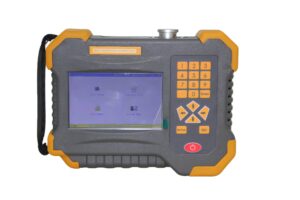
Click the image to know more about Battery Impedance Tester.
What Does Battery Failure Look Like in Real Systems?
Battery failure is usually a gradual process rather than an instant breakdown.
Common symptoms include:
- Rapid voltage drop under load
- Reduced usable capacity
- Increased heat generation
- Unstable power output
These signs are often linked to rising internal impedance.
Why Does Internal Impedance Lead to Battery Failure?
Internal impedance affects how efficiently energy flows inside the battery.
When impedance increases:
- Energy loss becomes higher
- Heat generation increases
- Voltage stability decreases
- Load performance weakens
Over time, these effects combine and lead to system failure.
How Can Proper Charging Habits Prevent Impedance Growth?
Charging behavior has a direct impact on battery aging.
Best practices include:
- Avoid frequent overcharging
- Prevent deep discharge cycles
- Use moderate charging current
- Reduce unnecessary fast charging
Good charging habits reduce internal stress and slow down degradation.
Can Temperature Control Prevent Battery Damage?
Yes. Temperature is one of the most important factors affecting battery life.
Key impacts:
- High temperature accelerates chemical aging
- Low temperature reduces performance efficiency
- Stable temperature slows impedance growth
Maintaining proper thermal conditions is essential for prevention.
How Does Load Management Improve Battery Reliability?
Excessive or unstable loads increase internal stress.
Load control strategies:
- Avoid continuous high-current discharge
- Balance load in multi-cell systems
- Operate within rated specifications
Stable load conditions help reduce internal heating and resistance growth.
Why Is a Battery Management System (BMS) Important?
A Battery Management System plays a key role in preventing failure.
Functions include:
- Preventing overcharge and over-discharge
- Monitoring temperature and voltage
- Balancing cells in battery packs
- Limiting extreme operating conditions
A well-designed BMS significantly improves safety and lifespan.
Can Regular Testing Help Prevent Battery Failure?
Yes. Monitoring internal impedance helps detect early degradation.
Benefits of testing:
- Early detection of weak batteries
- Prevention of unexpected shutdowns
- Better maintenance planning
- Improved system reliability
Trend monitoring is especially important for predictive maintenance.
How Does Storage Condition Affect Battery Health?
Improper storage can accelerate impedance growth.
Best storage practices:
- Store at moderate charge level
- Avoid extreme temperatures
- Keep in dry environment
- Prevent long-term inactivity at full or empty charge
Proper storage reduces long-term chemical degradation.
How Wrindu Testers Stand Out
Wrindu provides advanced electrical testing equipment designed for battery health monitoring and fault prevention.
Key Advantages:
- High-precision impedance measurement
- Stable performance in field conditions
- Fast and reliable testing results
- Easy operation for engineers
- Suitable for industrial and energy storage systems
Wrindu solutions are widely used for:
- Battery internal resistance testing
- Energy storage system diagnostics
- Predictive maintenance applications
- Electrical system reliability analysis
- Battery performance monitoring
These tools help engineers detect early warning signs and prevent battery failure effectively.
FAQs
What is the main cause of battery failure?
Most failures are caused by long-term internal impedance growth and chemical aging.
Can battery failure be prevented completely?
No, but it can be significantly delayed with proper management and maintenance.
Does fast charging damage batteries?
Frequent fast charging increases internal stress and accelerates aging.
Why is temperature control important?
Because extreme temperatures speed up impedance growth and degradation.
Can a BMS prevent battery failure?
It cannot stop aging but helps control operating conditions and reduce risk.
How often should batteries be tested?
It depends on application, but regular monitoring is recommended for critical systems.
Can storage conditions affect battery lifespan?
Yes. Poor storage accelerates internal degradation and impedance increase.
What is the best way to prevent battery failure?
Combine proper charging, temperature control, load management, and regular testing.
