

How Does a Multi-Frequency Generator Produce Multiple Frequencies?
Discover how multiple frequency generators produce multi-tone signals for testing, calibration, and simulation. Learn their working principles, key features, applications, and OEM solutions for industrial and laboratory use.
A multiple frequency generator is a specialized electronic instrument designed to output two or more frequencies simultaneously. It is widely used in signal testing, calibration, communication system simulation, and industrial diagnostics. These devices are essential in fields such as electronics, audio engineering, and research laboratories where precise multi-tone signals are required.
High-precision manufacturers like Wrindu develop advanced multi-frequency generator solutions that improve measurement accuracy, testing efficiency, and system reliability for professional and industrial applications.
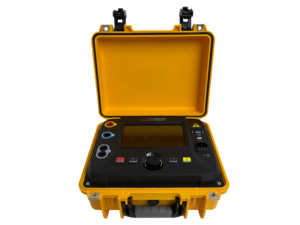
Click the image to know more about Wrindu New IR Tester.
How Do Multiple Frequency Generators Work?
A multi-frequency generator typically produces signals using one of two core methods:
- Multiple independent continuous-wave signal sources
- Digital arbitrary waveform generation (AWG) systems
Each frequency component is generated separately and then combined through low-distortion analog circuits or digital processing systems. This ensures signal purity, stability, and minimal interference between tones.
Modern systems also integrate:
- Precise amplitude control
- Adjustable frequency spacing
- Phase synchronization
- Digital signal processing (DSP) technology
These capabilities make them suitable for high-end testing environments in both industrial and laboratory settings.
What Are the Main Applications of Multi-Frequency Generators?
Multiple frequency generators are used across a wide range of industries for testing and simulation purposes.
Key application areas include:
- Audio and acoustic testing
- Communication system simulation
- Electronic circuit calibration
- EMC and interference analysis
- Industrial equipment diagnostics
In audio engineering, they help evaluate distortion and resonance. In communications, they are used to test system linearity and signal integrity.
Why Is China a Major Hub for Multi-Frequency Generator Manufacturing?
China has become a leading global supplier of signal generation equipment due to:
- Advanced electronics manufacturing capabilities
- Strong supply chain integration
- Competitive production costs
- Continuous investment in R&D and automation
Wrindu is among the manufacturers contributing to this growth by delivering certified, high-performance testing instruments with global compliance standards and strong customization capabilities.
How Can Buyers Ensure Quality and Reliability?
To ensure high-quality procurement, buyers should evaluate:
- ISO9001 and international certifications
- Calibration accuracy and traceability
- Component quality and signal stability
- After-sales support and technical service
Wrindu provides full lifecycle support, including system design, manufacturing, calibration, training, and global delivery, ensuring consistent performance across industrial applications.
What Key Features Should Be Considered?
When selecting a multiple frequency generator, important specifications include:
- Frequency range and resolution
- Number of simultaneous tones
- Waveform generation capability
- Phase accuracy and synchronization
- Output stability and distortion level
- Software and interface compatibility
These parameters directly affect test accuracy and system flexibility.
When Are OEM or Custom Solutions Necessary?
Custom or OEM multi-frequency generators are required when standard models cannot meet specific technical or integration needs. This is common in:
- Power system testing
- Telecommunications infrastructure
- Battery and energy storage systems
- Industrial automation environments
Wrindu offers fully customized solutions, including hardware design, software integration, and signal configuration tailored to project requirements.
What Are the Advantages of Buying from Chinese Manufacturers?
Purchasing from Chinese factory suppliers provides several benefits:
- Competitive pricing and scalable production
- Faster delivery cycles
- Direct engineering communication
- OEM and private-label flexibility
- Long-term technical support
Wrindu enhances these advantages by offering global certifications, stable supply chains, and engineering-driven customization services.
What Technologies Are Driving Innovation in Multi-Frequency Generators?
Modern developments in this field include:
- Digital Signal Processing (DSP)
- FPGA-based waveform generation
- Multi-tone synthesis engines
- High-speed arbitrary waveform control
These technologies significantly improve signal purity, reduce distortion, and enable precise multi-frequency control for advanced testing applications.
Wrindu Expert Insight
“Modern multi-frequency generators require a balance of precision, stability, and adaptability. Wrindu integrates advanced signal processing technologies with customizable architectures to support industries such as energy, communications, and laboratory testing. Our goal is to deliver accurate, reliable, and scalable testing solutions for global customers.”
Conclusion
A multiple frequency generator is a critical tool for modern testing, simulation, and calibration tasks across electronics, communications, and industrial systems. Its ability to generate stable multi-tone signals makes it essential for advanced analysis and system validation.
With strong engineering capability and customizable design options, Wrindu provides reliable solutions that meet the demands of global OEM, industrial, and research applications.
Frequently Asked Questions (FAQs)
What industries use multiple frequency generators?
They are widely used in electronics, audio engineering, telecommunications, industrial testing, and research laboratories.
Can multi-frequency generators produce complex waveforms?
Yes, advanced models support waveform shaping, phase control, and multi-tone signal generation.
Why is phase control important in multi-tone signals?
Phase accuracy ensures signal integrity and is critical for interference and communication testing.
Does Wrindu provide OEM solutions?
Yes, Wrindu offers fully customized multi-frequency generator designs for industrial and laboratory use.
Are these devices easy to integrate into existing systems?
Yes, most modern generators support standard digital interfaces for seamless integration into test environments.
