

Best Oil for Transformers in High Voltage Systems: How to Choose the Right One
Discover the best oil for high voltage transformers. Compare mineral oil, natural ester, and synthetic ester in terms of dielectric strength, fire safety, and performance. Learn how Wrindu testers ensure accurate oil analysis.
Selecting the best oil for high-voltage transformers is not just a technical detail—it directly affects insulation reliability, thermal performance, safety, and asset lifespan. With multiple options available, engineers often ask: Which oil performs best under high voltage stress?
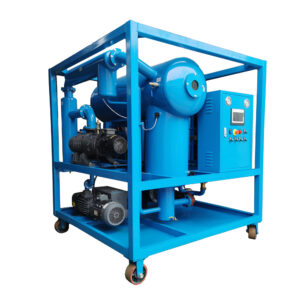
Click the image to know more about Transformer Oil Purifier.
What Makes Transformer Oil Critical in High Voltage Systems?
Transformer oil in high-voltage systems must handle:
- Extreme electrical stress (high dielectric strength required)
- Heat dissipation under heavy load
- Long-term chemical stability
- Resistance to moisture and oxidation
👉 A poor oil choice can lead to insulation failure, partial discharge, or even catastrophic breakdown.
What Are the Main Types of Transformer Oil?
1. Mineral Oil
- Petroleum-based and widely used
- Good dielectric and cooling properties
- Cost-effective
2. Natural Ester Oil
- Derived from vegetable oils
- Biodegradable and environmentally friendly
- High moisture tolerance
3. Synthetic Ester Oil
- Chemically engineered
- Excellent oxidation stability
- High fire resistance
Which Oil Has the Best Dielectric Strength?
For high-voltage systems, dielectric strength (BDV) is a key factor.
- Mineral oil: Stable and proven
- Ester oils: Maintain dielectric strength even under higher moisture
👉 In controlled conditions, all can perform well—but ester oils offer more resilience in real-world environments.
Which Oil Performs Better Under High Temperature?
High-voltage transformers often operate under heavy thermal stress.
- Mineral oil: Good cooling but lower fire point
- Natural ester oil: Better thermal aging performance
- Synthetic ester oil: Excellent thermal stability
👉 For high-temperature environments, synthetic ester oil is often the top performer.
Is Fire Safety Important in High Voltage Applications?
Absolutely.
- Mineral oil: Lower fire point (~160°C)
- Ester oils: Much higher fire point (>300°C)
👉 For substations in urban or indoor environments, ester oil significantly reduces fire risk.
Which Oil Is Best for Moisture Management?
Moisture is a major threat in high-voltage insulation.
- Mineral oil: Low moisture tolerance
- Ester oil: Can absorb more moisture without losing performance
👉 Ester oil helps protect solid insulation (paper) and extends transformer life.
So, What Is the Best Oil for High Voltage Transformers?
There is no one-size-fits-all answer, but here’s a practical guide:
- Best overall performance: Synthetic ester oil
- Best eco-friendly option: Natural ester oil
- Best cost-effective solution: Mineral oil
👉 For modern high-voltage systems, especially where safety and longevity matter, ester oils are increasingly preferred.
How Wrindu Testers Stand Out
No matter which oil you use, performance depends on accurate and regular testing. Wrindu provides advanced solutions tailored for high-voltage transformer oil analysis.
1. Precision Testing for High Voltage Requirements
Wrindu testers ensure accurate measurement of:
- Breakdown Voltage (BDV)
- Dielectric loss (tan δ)
- Volume resistivity
2. Multi-Oil Compatibility
Supports testing of:
- Mineral oil
- Natural ester oil
- Synthetic ester oil
👉 Ideal for utilities managing diverse transformer fleets.
3. Fast On-Site Diagnostics
- Portable and rugged design
- Quick test cycles
- Suitable for substation environments
4. Data-Driven Asset Management
- Trend analysis
- Predictive maintenance insights
- Reduced risk of unexpected failures
👉 Wrindu helps utilities move from reactive to proactive maintenance strategies.
FAQs (Long-Tail Questions)
Q1: What is the best oil for high voltage transformers?
Synthetic ester oil is often considered the best due to its high thermal stability, fire safety, and insulation performance.
Q2: Is mineral oil still suitable for high voltage systems?
Yes, but it requires strict maintenance and is less safe compared to ester oils.
Q3: Why are ester oils preferred in modern substations?
Because they offer better fire safety, environmental protection, and moisture tolerance.
Q4: How does moisture affect transformer oil in high voltage systems?
Moisture reduces dielectric strength and increases the risk of insulation failure.
Q5: Can I switch from mineral oil to ester oil?
Yes, but retrofilling requires compatibility checks and proper procedures.
Q6: How often should transformer oil be tested in high voltage systems?
Typically every 6–12 months, or more frequently under heavy load conditions.
Q7: What tests are essential for high voltage transformer oil?
Key tests include:
- Breakdown Voltage (BDV)
- Moisture content
- Dielectric loss factor
- Acidity
Conclusion
Choosing the best oil for high-voltage transformers depends on balancing performance, safety, cost, and environmental impact. While mineral oil remains widely used, ester oils are becoming the preferred choice for modern power systems.
👉 With accurate testing using Wrindu solutions, you can ensure your transformer oil performs reliably—even under the most demanding high-voltage conditions.
