

Why Battery Internal Impedance Increases and How to Reduce It
Learn what causes battery internal impedance increase and how it affects performance, efficiency, and lifespan. Discover key factors like aging, temperature, charging habits, and maintenance tips, plus Wrindu testing solutions for accurate battery diagnostics.
Battery internal impedance is one of the most important indicators of battery health. Over time, almost all batteries experience an increase in internal impedance, which leads to reduced performance, lower efficiency, and shorter runtime.
Understanding why impedance increases and how to slow down this process is essential for battery maintenance, especially in EV systems, energy storage, and industrial applications.
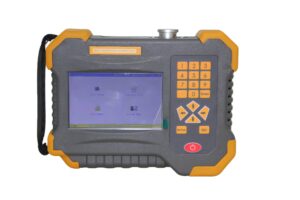
Click the image to know more about Battery Impedance Tester.
What Does Increasing Battery Impedance Mean?
Internal impedance represents the resistance to current flow inside the battery. When it increases, the battery struggles to deliver energy efficiently.
Common effects include:
- Reduced discharge capacity
- Faster voltage drop under load
- Increased heat generation
- Lower overall efficiency
In simple terms, higher impedance means weaker battery performance.
Why Does Battery Internal Impedance Increase Over Time?
Battery aging is the main reason behind rising impedance, but several internal and external factors contribute to this process.
Is Chemical Aging the Main Cause?
Yes. Chemical degradation inside the battery is the primary cause of impedance growth.
What happens inside:
- Electrolyte gradually degrades
- Active material becomes less efficient
- SEI (solid electrolyte interface) layer thickens
- Ion movement becomes more difficult
These changes increase internal resistance over time.
How Does Temperature Affect Battery Impedance?
Temperature has a strong influence on internal battery behavior.
High temperature effects:
- Accelerates chemical aging
- Damages internal structure
- Increases long-term impedance growth
Low temperature effects:
- Slows ion movement
- Temporarily increases impedance
- Reduces discharge performance
Extreme temperatures accelerate degradation.
Can Charging and Discharging Habits Increase Impedance?
Yes. Poor usage habits can significantly shorten battery life.
Harmful behaviors include:
- Overcharging
- Deep discharging
- High current fast charging
- Frequent full charge cycles
These conditions stress internal components and increase resistance.
Does Overload or High Current Damage Batteries?
High current operation generates heat and internal stress.
Effects include:
- Accelerated electrode wear
- Structural damage to materials
- Increased internal resistance
- Faster capacity degradation
Batteries used in high-load systems age faster.
Can Manufacturing Quality Affect Impedance Growth?
Yes. Initial battery quality directly affects long-term impedance stability.
Key factors:
- Electrode material quality
- Assembly precision
- Electrolyte composition
- Internal structural design
Poor-quality batteries tend to show faster impedance increase.
How Can Battery Impedance Growth Be Slowed Down?
Although aging cannot be completely avoided, it can be slowed significantly.
Best practices:
- Avoid extreme temperatures
- Use moderate charge and discharge rates
- Prevent deep discharge cycles
- Keep battery at optimal state of charge
- Use proper battery management systems (BMS)
Good operating habits extend battery life.
How Does Regular Testing Help Prevent Battery Failure?
Monitoring impedance regularly helps detect early degradation.
Testing benefits:
- Early warning of battery aging
- Identification of weak cells
- Prevention of unexpected failure
- Improved system reliability
Tracking impedance trends is more important than a single measurement.
How Wrindu Testers Stand Out
Wrindu provides professional electrical testing equipment designed for battery diagnostics and power system maintenance.
Key Advantages:
- High-accuracy impedance measurement
- Stable performance in industrial environments
- Fast and reliable testing results
- Easy operation for field engineers
- Suitable for preventive maintenance systems
Wrindu solutions are widely used for:
- Battery internal resistance testing
- Energy storage system diagnostics
- Electrical performance monitoring
- Industrial maintenance applications
- Power system reliability analysis
These tools help engineers track battery health and reduce unexpected failures.
FAQs
Why does battery internal impedance increase?
Because of chemical aging, temperature stress, and repeated charge-discharge cycles.
Can high temperature permanently damage a battery?
Yes. Long-term exposure to heat accelerates internal degradation.
Does fast charging increase impedance?
Yes. High current charging increases internal stress and aging speed.
Can battery impedance be reversed?
No. It can only be slowed down, not fully reversed.
How often should battery impedance be checked?
Regular monitoring is recommended, especially in critical systems like EVs and energy storage.
Does low temperature permanently increase impedance?
No. It temporarily increases resistance but usually recovers when temperature rises.
What is the best way to extend battery life?
Avoid extreme conditions, use proper charging habits, and monitor impedance regularly.
Can testing help prevent battery failure?
Yes. Early impedance detection helps identify weak batteries before failure occurs.
