

How to Perform Safe Dielectric Withstand Testing with Hipot Precautions
Learn how to perform safe dielectric withstand testing with proper hipot precautions. Discover AC/DC hipot methods, insulation safety procedures, common risks, and Wrindu high-voltage testing solutions for transformers, cables, and substations.
A dielectric withstand test, also known as a hipot test, applies high voltage to electrical equipment to verify whether the insulation can safely handle operating stress without failure. Equipment such as transformers, cables, switchgear, and circuit breakers are commonly tested using AC or DC withstand voltage systems. For example, the Wrindu RDYD AC Withstand Voltage Test Device can provide output voltage up to 100kV for reliable insulation verification.
To perform hipot testing safely:
- Wear proper PPE and isolate the testing area
- Increase voltage gradually instead of applying full voltage instantly
- Monitor leakage current continuously during testing
- Use emergency stop and automatic discharge functions
- Inspect equipment after testing for abnormal discharge or damage
Wrindu’s ISO9001, IEC, and CE-certified testing systems help utilities and industrial users perform safe and compliant high-voltage testing in more than 120 countries.
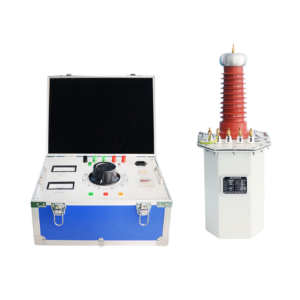
Click the picture to know more about Wrindu AC Withstand Voltage Test Device.
What Is a Dielectric Withstand Test?
A dielectric withstand test checks whether insulation materials can tolerate high voltage without breakdown. During the test, voltage higher than normal operating levels is applied between conductors and ground.
This method is widely used for:
- Power transformers
- High-voltage cables
- Circuit breakers
- Motors and generators
- Surge arresters
The main purpose is to identify weak insulation before equipment enters service. Proper hipot testing helps prevent unexpected failures, power outages, and safety accidents.
Why Is Hipot Testing Considered Potentially Destructive?
Hipot testing can become destructive if excessive voltage causes insulation breakdown. Poor testing procedures may lead to:
- Arcing
- Flashover
- Carbonization of insulation
- Partial discharge damage
- Equipment explosion in severe cases
Environmental conditions such as humidity, contamination, and incorrect voltage ramp speed can increase the risk of failure.
Wrindu improves testing safety through advanced protection features such as over-current protection, over-voltage safeguards, and automatic discharge systems.
How Does AC Hipot Testing Work?
AC hipot testing simulates real operating conditions by applying alternating current voltage to the equipment under test. Systems such as the Wrindu RDYD provide stable output with oil-immersed transformer technology.
During testing:
- Voltage is increased gradually
- Leakage current is monitored in real time
- The tester detects abnormal insulation behavior
- The system automatically discharges stored energy after testing
AC hipot testing is commonly used for transformers, switchgear, and substation equipment.
What Is the Difference Between AC and DC Hipot Testing?
| Aspect | AC Hipot Testing | DC Hipot Testing |
|---|---|---|
| Test Purpose | Simulates real operating stress | Detects insulation weaknesses |
| Equipment Stress | Higher | Lower |
| Arc Risk | Higher if uncontrolled | Lower |
| Typical Applications | Transformers, switchgear | Cables, capacitive equipment |
| Safety Requirement | Strong grounding and protection | Fast discharge required |
Wrindu provides both AC and DC testing solutions with built-in protection systems for safe operation.
Why Are Safety Precautions Important During Hipot Testing?
Hipot testing involves dangerous high voltage. Without proper precautions, operators may face electric shock, arc flash, fire hazards, or equipment damage.
Important safety measures include:
- Using insulated gloves and arc-flash PPE
- Installing warning barriers around the test area
- Verifying proper grounding before energizing
- Using emergency stop functions
- Keeping unauthorized personnel away from the test zone
Wrindu testing equipment includes multiple built-in safety protections to help reduce operational risks.
How Can You Perform Safe Dielectric Withstand Testing Step by Step?
Step 1: Prepare the Testing Area
Clear the area and install safety barriers and warning signs. Ensure the equipment is disconnected from power sources before testing.
Step 2: Inspect the Test Equipment
Check cables, grounding connections, and tester settings before operation. Confirm that emergency stop functions work properly.
Step 3: Wear Proper PPE
Operators should use:
- Insulated gloves
- Arc-flash protective clothing
- Safety shoes
- Face shields
Step 4: Increase Voltage Gradually
Never apply full voltage instantly. Increase the voltage slowly while monitoring leakage current and insulation behavior.
Step 5: Monitor for Abnormal Conditions
Stop the test immediately if you observe:
- Sudden current increase
- Arcing sounds
- Smoke or burning smell
- Unstable voltage readings
Step 6: Discharge the Equipment Safely
After testing, use the tester’s automatic discharge function to remove stored electrical energy safely.
What Features Help Reduce Dielectric Failure Risks?
Modern hipot testers include advanced safety functions that minimize testing risks.
| Tester Model | Key Feature | Risk Reduction |
|---|---|---|
| RDYD AC Withstand Voltage Tester | Over-voltage protection and auto-discharge | Prevents arcing and explosion |
| RD3320Y Insulation Tester | Multiple test voltages up to 20kV | Reduces insulation puncture risk |
| RDYZ-302 | Wireless measurement with high precision | Reduces false failure results |
Wrindu systems also support remote operation and stable output performance for improved testing reliability.
How Does Wrindu Support Global High-Voltage Testing Applications?
Wrindu supplies more than 90 electrical testing solutions across 13 product categories, including:
- AC/DC withstand voltage testers
- Insulation resistance testers
- Transformer testing equipment
- Cable fault testing systems
With products exported to over 120 countries, Wrindu provides:
- ISO9001, IEC, and CE-certified equipment
- 24/7 technical support
- 12-month warranty
- Lifelong maintenance service
- Customized testing solutions
Its Shanghai-based manufacturing facility and experienced engineering team help ensure stable product quality and reliable after-sales support.
Conclusion
Safe dielectric withstand testing requires proper procedures, reliable equipment, and strict safety precautions. By controlling voltage ramp speed, monitoring leakage current, and using automatic discharge systems, operators can reduce the risks associated with destructive hipot testing.
Wrindu’s RDYD AC Withstand Voltage Test Device and related insulation testing solutions provide stable high-voltage output, built-in protection features, and international compliance support for utilities, substations, and industrial power systems worldwide.
FAQs
What is the main danger of hipot testing?
The biggest danger is insulation breakdown caused by excessive voltage, which can lead to arcing, flashover, or equipment failure.
Can dielectric withstand testing damage equipment?
Yes. Improper voltage settings or poor testing procedures may damage insulation systems. Controlled voltage ramp-up helps reduce this risk.
Why is grounding important during hipot testing?
Grounding protects operators and equipment by safely directing fault current away from the test area.
Which is safer, AC or DC hipot testing?
DC hipot testing usually places less stress on insulation, while AC testing better simulates real operating conditions.
What PPE should operators wear during hipot testing?
Operators should wear insulated gloves, arc-flash protective clothing, safety shoes, and face shields.
How does automatic discharge improve safety?
Automatic discharge removes stored electrical energy after testing, reducing the risk of electric shock.
What industries use dielectric withstand testing?
Utilities, substations, transformer manufacturers, cable manufacturers, renewable energy plants, and industrial facilities commonly use hipot testing.
How often should high-voltage equipment undergo hipot testing?
Testing frequency depends on equipment type, operating environment, and maintenance standards, but periodic preventive testing is strongly recommended.
