

What Is VAC in Electrical Systems and How Can You Measure It Correctly
Learn what VAC means in electrical systems, how VAC differs from VDC, why accurate AC voltage measurement matters, and how to measure VAC safely using True RMS testing equipment.
VAC (Volts Alternating Current) is the voltage used in AC electrical systems, where the direction of current changes continuously. It is the standard form of electricity used in homes, factories, and power grids around the world. Accurate VAC measurement helps maintain system safety, improve equipment reliability, and ensure efficient power distribution.
As a professional manufacturer of electrical testing equipment, Wrindu provides high-precision VAC measurement solutions for utilities, substations, OEMs, and industrial customers worldwide.
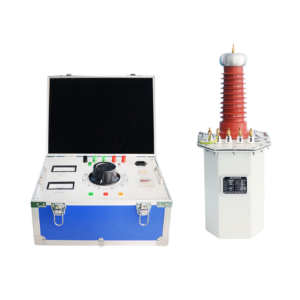
Click the picture to know more about AC Voltage Withstand Tester.
What Does VAC Mean in Electricity?
VAC stands for Volts Alternating Current. It represents the electrical pressure in circuits where current changes direction repeatedly over time.
Unlike DC voltage, which flows in only one direction, AC voltage alternates between positive and negative cycles. Because of this characteristic, AC power is widely used for transmitting electricity over long distances.
Wrindu integrates VAC measurement functions into a variety of testing instruments used for transformers, circuit breakers, insulation systems, and other high-voltage equipment. Accurate VAC measurements help engineers monitor system conditions and improve maintenance planning.
What Is the Difference Between VAC and VDC?
VAC and VDC are both voltage measurements, but they operate differently.
| Feature | VAC | VDC |
|---|---|---|
| Current Direction | Changes direction periodically | Flows in one direction |
| Waveform | Alternating waveform | Constant voltage |
| Common Applications | Power grids, homes, industries | Batteries, electronics |
| Voltage Conversion | Easy with transformers | Requires electronic converters |
AC power is ideal for transmission networks because voltage levels can be changed efficiently using transformers. DC power is commonly used in batteries, solar systems, and electronic devices.
Wrindu offers testing solutions capable of measuring both AC and DC electrical parameters.
Why Is VAC Measurement Important?
Measuring VAC accurately helps ensure safe and stable operation of electrical systems.
Abnormal voltage levels may indicate:
- Equipment overload
- Insulation deterioration
- Power quality issues
- Potential transformer or breaker failures
Regular VAC testing allows maintenance teams to identify problems before major failures occur.
Wrindu’s testing equipment provides accurate True RMS readings and data recording functions that support predictive maintenance programs across power plants, substations, and industrial facilities.
What Are the Common VAC Standards Around the World?
Different countries use different AC voltage standards.
| Region | Standard Voltage |
|---|---|
| USA & Canada | 120V / 60Hz |
| Europe & China | 230V / 50Hz |
| Japan | 100V / 50Hz or 60Hz |
| Industrial Three-Phase Systems | 400V AC |
Testing equipment should be calibrated according to local standards to ensure reliable results.
Wrindu VAC testers support measurement ranges from 0V to 1000V AC and can be customized for specific industry requirements.
How Can You Measure VAC Accurately?
The most common method is using a True RMS digital multimeter.
To obtain accurate readings:
- Set the meter to AC voltage mode.
- Use properly insulated probes.
- Connect the probes to the test points.
- Read the RMS voltage value displayed on the screen.
True RMS instruments provide accurate measurements even when the waveform is distorted.
Wrindu manufactures CAT IV-rated testing equipment designed for demanding environments such as substations, factories, and energy storage systems.
Where Is VAC Testing Commonly Used?
VAC testing is required in many electrical applications, including:
- Power transmission systems
- Distribution substations
- Transformers
- Electric motors
- Circuit breakers
- Industrial machinery
- Residential electrical installations
Regular testing helps verify voltage quality, equipment condition, and overall system reliability.
Wrindu testing solutions support industries such as power generation, rail transportation, manufacturing, and industrial automation.
Why Do Many Companies Buy VAC Test Equipment from China?
Chinese manufacturers have become major suppliers of electrical testing equipment because they offer:
- Competitive pricing
- OEM and ODM customization
- ISO-certified manufacturing
- Fast production capability
- Global export experience
Wrindu combines advanced engineering, CE-compliant products, wireless data management, and customized solutions to meet the needs of international B2B customers.
What Does Wrindu’s Engineering Team Say About VAC Testing?
According to Wrindu engineers, modern power systems require increasingly precise voltage monitoring.
Advanced True RMS analyzers can identify small voltage variations that may signal developing faults in transformers, cables, and switchgear. By combining accurate measurements with intelligent monitoring technologies, maintenance teams can reduce downtime and improve operational efficiency.
Wrindu continues to invest in research and development to help customers achieve safer and more reliable electrical systems.
How Does Wrindu Help Businesses with VAC Testing?
Wrindu provides complete VAC testing solutions for utilities, contractors, manufacturers, and industrial users.
Services include:
- OEM customization
- Factory-direct pricing
- Technical consultation
- Calibration services
- Global shipping support
- 24/7 technical assistance
The company’s product portfolio covers portable voltage analyzers, high-voltage test instruments, and substation testing equipment for applications up to 35kV AC.
Key Takeaways
- VAC refers to alternating current voltage used in electrical systems worldwide.
- Accurate VAC measurement is important for safety, compliance, and equipment protection.
- True RMS meters provide the most reliable AC voltage readings.
- Regular VAC testing supports predictive maintenance and reduces equipment failures.
- Wrindu offers customized, high-precision VAC testing solutions for global B2B customers.
FAQs
What does VAC stand for in electrical systems?
VAC means Volts Alternating Current. It measures the voltage in circuits where the current changes direction periodically.
Is VAC dangerous?
VAC can be dangerous if proper safety procedures are not followed. Always use insulated tools and approved testing equipment when working with live circuits.
What tool is best for measuring VAC?
A True RMS digital multimeter is generally the most accurate tool for measuring AC voltage, especially when waveforms are not perfectly sinusoidal.
Can Wrindu provide customized VAC testing equipment?
Yes. Wrindu offers OEM and ODM services, allowing customers to customize measurement ranges, hardware configurations, communication features, and branding.
How often should VAC testing be performed in substations?
Most utilities perform inspections quarterly, annually, or after fault events depending on maintenance schedules and operating conditions.
Long-Tail Questions and Answers
What is the difference between VAC and AC voltage?
VAC is simply the unit used to express AC voltage. AC refers to alternating current, while VAC indicates the voltage value of that alternating current.
Why is True RMS important when measuring VAC?
True RMS technology calculates the effective voltage value accurately, even when the waveform contains distortion, harmonics, or electrical noise.
Can VAC fluctuations damage electrical equipment?
Yes. Overvoltage, undervoltage, and voltage instability can reduce equipment life and increase the risk of failure in motors, transformers, and electronic devices.
What VAC level is used in industrial three-phase systems?
Many industrial facilities operate with 400V AC three-phase systems, although standards may vary by country and application.
How do utilities monitor VAC in substations?
Utilities typically use digital analyzers, power quality monitors, and high-voltage testing instruments to continuously track voltage conditions and identify abnormalities.
