

What Is FDS Dielectric Response Testing for Transformer Insulation?
Learn what FDS dielectric response testing is, how it works, and why it is more accurate than traditional tests for transformer oil-paper insulation diagnosis and moisture analysis.
What Does FDS Mean in Transformer Insulation Testing?
FDS stands for Frequency Domain Dielectric Response, a non-destructive electrical testing technology used to evaluate the health condition of transformer oil-paper insulation systems. Unlike traditional single-frequency tests that only offer limited data, FDS testing collects insulation dielectric parameters across a wide frequency spectrum, enabling engineers to accurately detect internal moisture, aging, and insulation defects in power transformers.
As a core diagnostic method for modern power equipment maintenance, FDS testing effectively solves the inaccuracy of traditional oil moisture testing and provides comprehensive insulation health data for substation and industrial transformers.
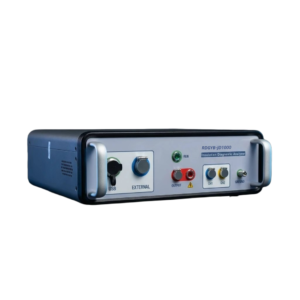
Click the image to know more about Wrindu Frequency Domain Dielectric Response Insulation Diagnostic Analyzer.
How Does FDS Dielectric Response Testing Work?
Step 1: Wide-Frequency Signal Injection
A professional FDS insulation analyzer injects low-voltage AC test signals into the transformer insulation within a wide frequency range, usually from 0.1mHz to 10kHz. This covers ultra-low frequency, low frequency and medium frequency bands that are critical for insulation diagnosis.
Step 2: Capture Dielectric Parameters
The device accurately records real-time changes in dielectric loss factor (tan δ), insulation capacitance, and polarization response under different frequencies. These parameters directly reflect the internal physical and chemical status of oil-paper insulation.
Step 3: Data Analysis and Condition Judgement
By comparing the frequency response curve with standard database and historical test data, engineers can distinguish insulation moisture, aging degradation, and oil conductivity faults, realizing quantitative insulation condition assessment.
Why Is FDS Testing Better Than Traditional Transformer Insulation Tests?
Covers Full Insulation System
Traditional oil moisture testing only detects water content in transformer oil, ignoring paper insulation moisture and overall insulation aging. FDS testing evaluates the entire oil-paper insulation system to avoid one-sided diagnosis results.
Distinguish Moisture and Aging Interference
Aging insulation and damp insulation produce similar electrical characteristics in single-frequency tests. FDS wide-frequency curve analysis can effectively distinguish moisture failure and aging degradation, greatly improving diagnosis accuracy.
Non-Destructive and Repeatable
FDS testing adopts low-voltage testing signals, which will not damage transformer insulation. It supports frequent regular detection and long-term health tracking of operating transformers.
What Key Parameters Does FDS Testing Analyze?
FDS diagnosis mainly relies on three core parameters to judge transformer insulation health: frequency-dependent dielectric loss, dynamic capacitance variation, and low-frequency polarization response. Combined analysis of these data realizes accurate moisture diagnosis and aging evaluation.
FAQs About FDS Dielectric Response Testing
Q1: What is the full form of FDS in transformer testing?
A: FDS refers to Frequency Domain Dielectric Response, a professional wide-frequency insulation diagnostic technology for power transformers.
Q2: Is FDS testing destructive to transformer insulation?
A: No. FDS uses low-voltage test signals, which is completely non-destructive and safe for in-service transformers.
Q3: What is the main advantage of FDS over oil moisture testing?
A: FDS can detect paper insulation moisture and distinguish insulation aging from moisture problems, while oil testing only reflects dissolved water in oil.
Q4: What frequency range is standard for FDS transformer testing?
A: The standard test range is 0.1mHz to 10kHz, especially low-frequency data is critical for moisture diagnosis.
