

Why Does a Primary Current Injection Test Fail? Common Problems and Solutions
Troubleshoot low test current, unstable readings, circuit breaker trip failures, and overheating connections during primary current injection testing.
A primary current injection test may produce unexpected results because of poor connections, insufficient output current, incorrect settings, or an unsuitable test procedure. In some cases, the problem lies in the equipment under test rather than the injection tester.
A systematic check helps engineers identify the cause without repeating unnecessary tests or exposing equipment to excessive current.
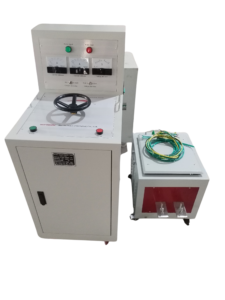
Click the image to know more about 6000A Primary Current Injection Tester.
Why Can a Primary Current Injection Tester Fail to Reach the Target Current?
High resistance in test cables or connections can reduce the current available to the test circuit. The required current may also exceed what the tester can deliver under the connected circuit conditions.
Check the cable condition, contact surfaces, connection tightness, and test circuit requirements. Confirm that the target current is within the tester’s rated capability.
The Wrindu RDSL-82-6000D provides up to 6000 A output current, with a rated output voltage of 6 V and rated capacity of 36 kVA. Actual output depends on the circuit and operating conditions.
Why Are the Current Readings Unexpected?
Unexpected readings may result from incorrect connections, unsuitable measurement ranges, loose contacts, or errors in the test setup. A CT test may also produce different results from the ideal ratio calculation because of the CT’s characteristics and test conditions.
The RDSL-82-6000D has two ammeters for large- and small-range current monitoring. Select the appropriate range and verify the readings against suitable reference instruments when required.
Why Does a Circuit Breaker Fail to Trip During Testing?
A breaker may not trip if the applied current is below the required pickup level, the test duration is insufficient, or the connection arrangement does not match the test procedure. Incorrect settings or a fault in the breaker or protection system may also explain the result.
Confirm the breaker settings and required test current first. Then check the wiring, current level, and timing method before concluding that the breaker has failed.
What Common Problems Should Engineers Check First?
| Problem | Possible Cause | Recommended Check |
|---|---|---|
| Target current cannot be reached | High connection resistance or insufficient output capability | Inspect connections and verify the required current |
| Current readings fluctuate | Loose contacts or unstable test connections | Secure connections and inspect cables |
| Breaker does not trip | Incorrect current, settings, or test duration | Recheck the test procedure and breaker settings |
| Connections become too hot | Excessive current duration or high contact resistance | Stop the test safely and inspect the setup |
| Repeated tests produce inconsistent results | Different connection conditions or test settings | Standardize the setup and record test parameters |
These checks help narrow down the cause, but the final diagnosis should follow the equipment manufacturer’s guidance.
Can Excessive Test Duration Cause Problems?
Yes. High current can heat the tester, cables, connections, and equipment under test. Excessive injection time may affect test reliability and create safety risks.
The Wrindu RDSL-82-6000D is designed for short-time and intermittent operation. Its specifications state that power-on time should be less than 2.5 minutes, with a working cycle longer than 10 minutes. Follow the operating instructions and allow the required recovery period.
How Can Engineers Reduce Primary Injection Test Failures?
Prepare the test plan, confirm the current requirement, inspect cables and connections, and verify the equipment settings before energizing the circuit. Record the actual current, test duration, and observed response so that results can be compared consistently.
The RDSL-82-6000D combines high-current output, a split-type structure, dual ammeters, and simple button operation for suitable testing applications in power plants, substations, laboratories, and electrical equipment manufacturing facilities.
