

Creating Audit-Ready Resistance Reports for Electrical Testing
Learn how digital resistance test reports improve data integrity, audit compliance, and maintenance efficiency with automated logging, electronic signatures, and calibrated testing equipment.
Passing government and insurance audits requires clean, reliable data. If your team still writes down resistance measurements by hand, you are risking compliance failures. Modern compliance demands automated data logging directly from your testing tools.
Using factory-calibrated equipment with built-in reporting helps teams save time, secure their records, and satisfy strict regulatory rules.
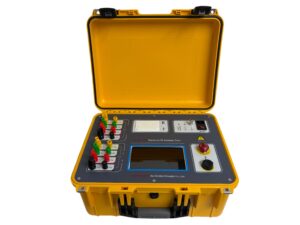
Click the image to know more about Transformer DC Resistance Tester.
What Do Auditors Look For in Resistance Data Integrity?
Auditors want proof that your test results are accurate and free from human tampering. True data integrity means locking the data right at the moment of measurement.
To satisfy inspectors, your reporting system should feature:
-
Direct Hardware Export: Move test results straight from the meter to your computer via USB, Bluetooth, or RS232 without manual entry.
-
Locked File Formats: Save reports as encrypted PDFs or secure files that no one can edit later.
-
Technician Accountability: Require unique logins so you always know exactly who ran each test.
How Do Electronic Signatures Protect Your Test Records?
A simple scanned image of a signature on a document does not hold up during a strict audit. Official standards require digital signatures that tie a specific technician to a precise, timestamped result.
When a technician signs a digital report, the system secures the data. If anyone tries to alter a number or character afterward, the signature instantly breaks, alerting inspectors to the change.
Why Are Insurance Companies Strict About Maintenance Paperwork?
Insurance adjusters review maintenance histories to calculate financial risk before approving claims or lowering premiums. If a large transformer or substation fails, a gap in your records can lead to denied claims.
Insurers look at multi-year trend lines rather than just a single recent test. Consistent, automated reporting proves you are actively managing your electrical assets instead of waiting for something to break.
How Can Digital Tools Cut Down on Compliance Administrative Work?
Writing down numbers and building templates manually takes valuable time away from actual maintenance. Switching to automated reporting software can reduce paperwork time by up to 70%.
Advanced electrical meters let technicians run a test, press a button, and immediately create an audit-ready PDF. This keeps your records organized and allows managers to focus on system health instead of filling out forms.
What Key Hardware Features Must Your Test Meters Have?
When choosing high-voltage testing tools, look beyond basic measurement specs. For compliance safety, your equipment needs a solid data architecture, including:
-
Dual-Core Processors: One processor runs the heavy testing current, while the second processor encrypts and saves the data in real-time.
-
Non-Volatile Storage: Internal memory that keeps thousands of records safe, even if the power suddenly cuts out.
-
Traceable Calibration Ports: Built-in interfaces that let external labs test accuracy without opening the main casing.
Why Is Factory Calibration Essential for Government Inspections?
An uncalibrated test meter makes your entire maintenance log legally invalid. Government inspectors require a clear line of accuracy that links back to international standards.
Equipment manufacturers like Wrindu recommend calibrating your meters every 12 months. Keeping these certificates updated gives you a solid baseline of legal proof during any unexpected inspection.
Frequently Asked Questions (FAQs)
What happens if an auditor finds a manual correction on a resistance report?
A handwritten or manual change without a timestamped explanation and a verified electronic signature is a major red flag. Auditors will likely reject the report, which can spark a deeper investigation or lead to financial penalties.
Can custom testing firmware adapt to changing local electrical regulations?
Yes. Manufacturers can update the internal firmware on custom test meters to change reporting layouts, update test profiles, and adjust electronic signature rules as local laws evolve.
Why do insurance adjusters reject standard PDF test reports?
Standard PDFs are easy to edit with basic software. Insurance auditors prefer secured, encrypted PDFs or reports generated through closed-loop software that tracks every modification automatically.
How often should a factory transition its testing logs to fully digital audit trails?
Facilities should switch to digital tracking immediately. Paper logs are easily lost, torn, or damaged in rough industrial environments, while digital cloud storage creates a permanent, searchable history for inspectors.
