

Transformer Bushing Failure Signs: How to Detect Insulation Problems Before Breakdown?
Learn the common transformer bushing failure signs, causes, and diagnostic methods. Discover how dielectric response analysis helps detect insulation problems before transformer failure.
Transformer bushings are essential insulation components that allow electrical conductors to pass safely through the transformer tank.
Although bushings are usually smaller than other transformer components, they operate under continuous electrical, thermal, and mechanical stress.
Over time, insulation materials inside bushings may deteriorate due to:
- Moisture contamination
- Thermal aging
- Electrical stress
- Oil degradation
- Mechanical damage
When insulation deterioration develops, transformer bushing failure may occur suddenly and lead to:
- Transformer shutdown
- Internal flashover
- Fire risk
- Expensive equipment damage
- Unexpected power interruption
Early detection of bushing problems allows maintenance teams to take corrective action before serious failure occurs.
Therefore, understanding transformer bushing failure signs and applying proper diagnostic testing methods are important for power system reliability.
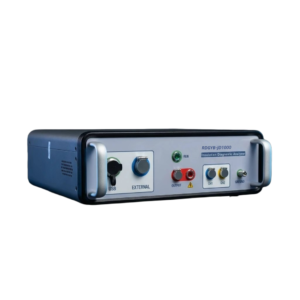
Click the image to know more about Wrindu Frequency Domain Dielectric Response Insulation Diagnostic Analyzer.
Why Do Transformer Bushings Fail During Operation?
Transformer bushings are designed to provide reliable insulation between high-voltage conductors and grounded transformer structures.
However, long-term operation can gradually affect insulation performance.
The main reasons for bushing deterioration include:
Moisture Contamination Inside Bushing Insulation
Why does moisture create problems for transformer bushings?
Oil-paper insulation systems are highly sensitive to moisture.
When water enters the insulation structure, it can cause:
- Reduced insulation strength
- Increased dielectric loss
- Faster paper aging
- Higher partial discharge activity
Moisture may enter through:
- Aging seals
- Damaged gaskets
- Improper storage
- High humidity environments
Even a small amount of moisture can significantly affect insulation reliability.
Thermal Aging Caused by Long-Term Operation
How does temperature affect transformer bushing life?
During normal operation, transformer bushings experience temperature changes caused by:
- Load variation
- Ambient temperature
- Electrical losses
Continuous thermal stress can accelerate insulation aging.
Typical effects include:
- Paper insulation deterioration
- Oil oxidation
- Increased dielectric losses
- Reduced mechanical strength
Older bushings are especially vulnerable because insulation materials gradually lose their original properties.
Electrical Stress and Partial Discharge Development
Can electrical stress damage transformer bushings?
Yes.
High voltage creates continuous electric field stress inside the bushing insulation.
If defects exist, such as:
- Air bubbles
- Internal cracks
- Insulation voids
- Contaminated areas
local electric fields may increase and create partial discharge activity.
Over time, partial discharge can expand insulation damage and eventually cause breakdown.
What Are the Common Warning Signs of Transformer Bushing Failure?
Early detection of abnormal conditions can prevent unexpected transformer outages.
Common transformer bushing failure signs include:
Increased Dielectric Loss (Tan Delta)
What does increasing dielectric loss indicate?
A rising dielectric loss value often indicates changes in insulation condition.
Possible causes include:
- Moisture absorption
- Insulation aging
- Oil deterioration
- Internal contamination
Regular dielectric loss testing helps engineers identify abnormal trends.
Abnormal Capacitance Changes
Why does capacitance change when a bushing deteriorates?
Transformer bushings are designed with specific capacitance characteristics.
Internal insulation damage may cause:
- Increased capacitance
- Decreased capacitance
- Sudden value changes
Comparing current measurements with previous records can reveal insulation deterioration.
Partial Discharge Activity
How does partial discharge indicate bushing problems?
Partial discharge is a localized electrical discharge that does not immediately cause complete insulation failure.
However, continuous discharge can damage insulation materials.
Possible symptoms include:
- Increasing discharge levels
- Abnormal acoustic signals
- Unstable electrical characteristics
Partial discharge testing can help locate internal insulation defects.
Oil Leakage or Physical Damage
Can external inspection detect all bushing problems?
No.
Visual inspection is useful but cannot identify many internal insulation problems.
However, engineers should check for:
- Oil leakage
- Cracks
- Broken terminals
- Damaged porcelain surfaces
- Corrosion
Physical abnormalities often indicate possible internal issues.
Why Are Traditional Transformer Bushing Tests Sometimes Limited?
Traditional tests such as insulation resistance measurement and capacitance testing remain important.
However, they mainly provide information about specific parameters.
For example:
| Test Method | Main Information |
|---|---|
| Insulation Resistance Test | Overall insulation resistance |
| Capacitance Test | Bushing capacitance condition |
| Tan Delta Test | Dielectric loss condition |
| Partial Discharge Test | Local insulation defects |
The limitation is that insulation degradation is a complex process.
A single measurement may not fully explain:
- Moisture distribution
- Aging level
- Internal dielectric changes
Therefore, advanced diagnostic methods are needed for deeper evaluation.
How Can Dielectric Response Analysis Detect Early Bushing Problems?
What makes dielectric response testing different from conventional methods?
Frequency Domain Dielectric Response (FDS) technology measures insulation behavior across different frequencies.
Instead of checking only one electrical parameter, it evaluates the dielectric characteristics of insulation materials.
The analysis can reveal:
- Moisture influence
- Aging condition
- Abnormal dielectric behavior
- Insulation deterioration trends
This makes dielectric response analysis especially useful for:
- Aging transformers
- High-voltage bushings
- Critical power equipment
How Does RDGYB-JD1000 Help Diagnose Transformer Bushing Conditions?
The Wrindu RDGYB-JD1000 Frequency Domain Dielectric Response Insulation Diagnostic Analyzer is designed for advanced insulation condition assessment.
It supports:
Detailed Insulation Analysis
The system provides:
- Frequency domain dielectric response measurement
- Insulation condition evaluation
- Data comparison analysis
Wide Application Range
It can be applied to:
- Power transformers
- Transformer bushings
- Current transformers
- Other oil-paper insulation equipment
Field Testing Capability
Designed for on-site maintenance applications, the analyzer features:
- Frequency range: 0.1mHz–10kHz
- Portable design
- Efficient diagnostic process
What Are the Best Practices for Preventing Transformer Bushing Failure?
Maintain Historical Test Data
Why are historical records important?
Comparing test results over time helps identify gradual changes.
Recommended records include:
- Capacitance values
- Tan delta results
- Dielectric response curves
- Inspection reports
Combine Different Diagnostic Methods
Why should multiple tests be used?
Different tests provide different information.
A complete assessment may combine:
- Visual inspection
- Insulation resistance testing
- Tan delta testing
- Partial discharge testing
- Dielectric response analysis
Monitor High-Risk Bushings Regularly
Which bushings need more attention?
Priority should be given to:
- Old transformers
- High-load transformers
- Critical substations
- Equipment with previous abnormal test results
FAQs
What are the main signs of transformer bushing failure?
Common signs include increased dielectric loss, abnormal capacitance changes, partial discharge activity, oil leakage, and insulation deterioration.
Why do transformer bushings fail suddenly?
Although insulation degradation usually develops gradually, failure may occur suddenly when insulation strength decreases below the required level.
Can transformer bushing problems be detected early?
Yes. Regular testing methods such as tan delta testing, capacitance measurement, partial discharge testing, and dielectric response analysis can identify early deterioration.
What causes transformer bushing insulation deterioration?
The main causes include moisture, thermal aging, electrical stress, oil degradation, and mechanical damage.
Is dielectric response analysis better than traditional bushing testing?
Dielectric response analysis provides additional information about insulation behavior and can detect changes that may not be visible through single-parameter measurements.
How can I identify a bad transformer bushing before failure?
A bad transformer bushing can be identified through abnormal capacitance values, increased dielectric loss, partial discharge activity, insulation resistance changes, and dielectric response analysis results.
What test detects moisture inside transformer bushings?
Dielectric response analysis is one effective method for evaluating moisture influence inside oil-paper insulation systems.
How often should transformer bushings be tested?
Testing intervals depend on transformer age, operating environment, loading conditions, and manufacturer recommendations. High-risk equipment usually requires more frequent monitoring.
Can tan delta testing predict transformer bushing failure?
Tan delta testing can identify insulation deterioration trends, but combining it with other diagnostic methods provides a more complete condition assessment.
Why is transformer bushing condition monitoring important?
Condition monitoring helps detect insulation problems early, reduce unexpected outages, improve maintenance planning, and extend transformer service life.
Conclusion
Transformer bushing failure is a serious risk in high-voltage power systems.
Because insulation deterioration often develops slowly before sudden breakdown, early condition assessment is essential.
Traditional electrical tests remain valuable, but advanced technologies such as dielectric response analysis provide deeper information about insulation behavior.
By monitoring warning signs and applying advanced diagnostic tools like the RDGYB-JD1000 Frequency Domain Dielectric Response Insulation Diagnostic Analyzer, utilities can improve transformer reliability and reduce unexpected failures.
