

What Is MC Electrical Cable and How Is It Used in Industry
Learn what MC electrical cable is, its types, applications, specifications, installation methods, certifications, and testing requirements for commercial and industrial projects.
MC electrical cable, short for Metal-Clad Cable, is a type of armored power cable designed to protect insulated conductors with a metal sheath. It is widely used in commercial, industrial, utility, and infrastructure projects because it combines mechanical protection, electrical safety, and installation flexibility.
Compared with traditional conduit systems, MC cable offers faster installation, lower labor costs, and excellent durability. It has become one of the most popular wiring solutions for modern electrical systems.
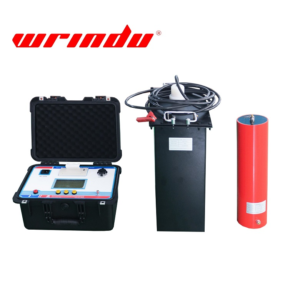
Click the picture to know more about Wrindu VLF HV Tester.
What Is MC Electrical Cable?
MC cable consists of insulated conductors enclosed within an interlocked metal armor made of aluminum or steel.
The metal armor provides protection against:
- Mechanical impact
- Moisture exposure
- Rodent damage
- Physical wear and tear
Most MC cables are rated for 600V applications and comply with safety standards such as UL 1569.
Main Components of MC Cable
| Component | Description |
|---|---|
| Metal Armor | Interlocked aluminum or steel sheath |
| Conductors | Copper or aluminum THHN/THWN conductors |
| Ground Wire | Bare or insulated green grounding conductor |
| Optional Jacket | PVC jacket for additional protection |
| Insulation | Heat and moisture-resistant insulation |
This construction makes MC cable suitable for both exposed and concealed installations.
What Are the Different Types of MC Cable?
Several types of MC cable are available to meet different installation requirements.
Standard MC Cable
The most common type used for:
- Commercial buildings
- Industrial facilities
- Office complexes
- Educational institutions
MCAP Cable
MCAP cable includes an additional PVC jacket that provides:
- Moisture resistance
- Corrosion protection
- Outdoor suitability
Continuous Corrugated MC Cable
Designed for:
- Harsh environments
- Underground applications
- Direct burial installations
Aluminum vs. Steel Armored MC Cable
| Type | Advantages |
|---|---|
| Aluminum Armor | Lightweight, cost-effective, corrosion-resistant |
| Steel Armor | Stronger mechanical protection, heavy-duty applications |
The selection depends on environmental conditions and project requirements.
Where Is MC Cable Commonly Used?
MC cable is widely used in various industries because of its durability and ease of installation.
Common Applications Include
- Commercial buildings
- Data centers
- Hospitals
- Manufacturing plants
- Power generation facilities
- Renewable energy projects
- Warehouses
- Transportation infrastructure
MC cable is particularly popular where conduit installation would be expensive or time-consuming.
Why Is MC Cable Popular in Industrial Applications?
Industrial environments often require wiring systems that can withstand demanding conditions.
MC cable offers several benefits:
Improved Mechanical Protection
The metal armor protects conductors from:
- Impact damage
- Equipment vibration
- Abrasion
- Accidental contact
Faster Installation
MC cable eliminates the need for separate conduit systems, reducing installation time and labor costs.
Better Reliability
Its robust construction helps maintain long-term electrical performance in challenging environments.
How Is MC Cable Installed?
Proper installation is essential for safety and code compliance.
Basic Installation Steps
- Route the cable along the planned pathway.
- Secure the cable using approved supports.
- Install anti-short bushings at terminations.
- Connect approved MC cable fittings.
- Verify grounding continuity.
- Perform insulation and continuity testing.
Installation Best Practices
- Follow NEC Article 330 requirements.
- Avoid excessive bending.
- Maintain proper bend radius.
- Use listed connectors and fittings.
- Support cable at required intervals.
Correct installation improves safety and system reliability.
What Are the Typical Specifications of MC Cable?
MC cables are available in a wide range of conductor sizes and configurations.
Common MC Cable Sizes
| Cable Size | Conductors | Typical Ampacity* |
|---|---|---|
| 12/2 MC | 2 + Ground | 30A |
| 10/3 MC | 3 + Ground | 40A |
| 6/3 MC | 3 + Ground | 65A |
| 2/0-4 MC | 3 + Ground | 200A |
*Actual ampacity depends on installation conditions and local electrical codes.
Standard Ratings
- Voltage Rating: 600V
- Temperature Rating: 90°C
- Insulation Type: THHN/THWN
- Compliance: UL 1569, NEC
Why Choose MC Cable Manufacturers from China?
China has become one of the world’s leading suppliers of MC cable products.
Key Advantages
- Competitive pricing
- Large production capacity
- OEM and custom manufacturing
- Fast delivery schedules
- International certifications
- Extensive export experience
Many Chinese manufacturers provide customized solutions for utilities, contractors, and industrial customers worldwide.
What Certifications Should MC Cable Have?
Certification ensures cable quality, safety, and compliance.
Important Certifications Include
- UL 1569
- CSA C22.2
- CE Certification
- RoHS Compliance
- NEC Compliance
When sourcing MC cable internationally, buyers should verify all certification documents before purchase.
What Are the Benefits of Custom MC Cable?
Custom MC cable solutions allow buyers to optimize performance and installation efficiency.
Customization Options
- Conductor size
- Number of conductors
- Armor material
- Jacket type
- Cable length
- Color coding
Benefits include:
- Reduced installation waste
- Improved project efficiency
- Better system compatibility
- Lower overall project costs
How Does Wrindu Help Test MC Cable Quality?
Testing is critical for ensuring cable reliability before installation.
Wrindu provides professional cable testing solutions for manufacturers, utilities, and industrial customers.
Common Cable Tests Include
Insulation Resistance Testing
Measures insulation quality and identifies moisture contamination.
DC Hipot Testing
Verifies insulation strength under high-voltage conditions.
Partial Discharge Testing
Detects hidden insulation defects before failure occurs.
Continuity Testing
Ensures conductors and grounding paths are intact.
These tests help reduce the risk of field failures and improve long-term cable performance.
Why Choose Wrindu for Cable Testing Solutions?
Wrindu specializes in electrical testing equipment for power systems and cable diagnostics.
Advantages of Wrindu
- ISO9001 certified manufacturing
- IEC and CE compliant products
- Advanced cable testing technology
- Global technical support
- Customized testing solutions
- Reliable after-sales service
Our testing systems help customers verify cable quality and maintain compliance with international standards.
Conclusion
MC electrical cable provides a durable, safe, and cost-effective wiring solution for commercial and industrial applications. Its metal armor protects conductors from physical damage while simplifying installation compared with traditional conduit systems.
By selecting certified manufacturers and performing proper testing, businesses can improve system reliability, reduce downtime, and ensure long-term electrical safety. Wrindu’s advanced testing equipment helps customers verify MC cable quality and maintain the highest industry standards.
Frequently Asked Questions (FAQs)
What does MC stand for in electrical cable?
MC stands for Metal-Clad cable, which uses a metal armor sheath to protect insulated conductors.
Can MC cable be used outdoors?
Yes. MCAP cable with a PVC jacket is suitable for outdoor and wet-location installations.
Is MC cable cheaper than conduit?
In many applications, yes. MC cable combines wiring and protection in one assembly, reducing installation labor and material costs.
What conductor sizes are available for MC cable?
MC cables are commonly available from 14 AWG up to 2/0 AWG and larger custom configurations.
Does MC cable require conduit?
No. The metal armor serves as mechanical protection, eliminating the need for conduit in many installations.
What industries commonly use MC cable?
Commercial buildings, factories, hospitals, data centers, utilities, renewable energy projects, and industrial facilities commonly use MC cable.
How is MC cable tested before installation?
Typical tests include insulation resistance testing, continuity testing, partial discharge testing, and high-voltage withstand testing.
Why is insulation testing important for MC cable?
Insulation testing helps identify manufacturing defects, moisture contamination, and insulation damage before the cable is placed into service.
