

Phasing Stick Operation Guide & Safety Rules: How to Use It Correctly
Learn the complete phasing stick operation guide, including preparation steps, phasing & live line testing processes. Follow safety rules to avoid mistakes, with Wrindu’s high-quality phasing tools ensuring safe and accurate operation.
Introduction: Why Proper Operation Matters
A phasing stick is a key tool for electrical safety, used mainly for phasing and live line testing. Knowing the phasing stick operation guide and safety rules is crucial to avoid accidents and ensure accurate results. Before using it, you should first understand phasing stick application scenarios and when to use a phasing stick—such as dual power phasing scenarios or post-maintenance checks. Also, mastering phasing stick usage conditions helps you use the tool correctly and safely.
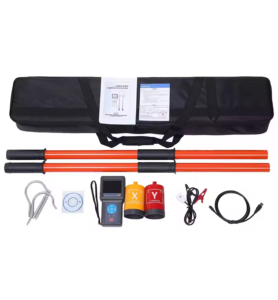
Click the image to know more about Wireless High Voltage Phase Detector.
Step 1: Preparation Before Operation
Good preparation ensures safe and accurate operation. Follow these steps:
-
Meter Installation: Fix the meter vertically on a tripod to keep it stable and avoid reading errors.
-
Pointer Calibration: Adjust the pointer so it is close to or equal to zero before use. This ensures accurate measurement results.
-
Wiring Specifications: Use wires of the same color to connect the test rod and the meter. Also, make sure the ground wire is properly grounded—this is critical for safety.
-
Equipment Check: Inspect the phasing stick carefully. Ensure all connections are correct and the equipment is in good condition (no damage to wires or the meter).
Step 2: Phasing Operation Steps
Phasing is one of the main uses of a phasing stick, especially in dual power phasing scenarios. Follow these 4 simple steps:
-
Connect the test rods to the two power sources or circuits you want to check. Make sure the connections are firm.
-
Observe the meter pointer carefully. Do not touch the test rods or wires during this process.
-
Judge the phase: If the pointer is close to or equal to zero, the two phases are the same; if the pointer moves significantly, the phases are different.
-
Repeat the verification: Do the test 2-3 times to ensure the result is accurate. This avoids mistakes caused by temporary errors.
Step 3: Live Line Testing Operation Steps
Phasing sticks can also be used for live line testing. This is important in many phasing stick application scenarios, such as checking if a circuit is live before maintenance. Follow these steps:
-
Connect the test rod to the circuit you want to test.
-
Connect the other end of the phasing stick to the ground or another phase wire (as required by the tool).
-
Observe the meter pointer: If the pointer moves significantly, the circuit is live; if it does not move, the circuit is not live.
-
After testing, disconnect the test rod and ground wire before leaving the work area.
Phasing Stick Safety Rules
Safety is the top priority when using a phasing stick, especially in high-voltage environments. Follow these rules:
-
Safety Protection: Wear insulating gloves, insulating shoes, and other protective equipment when operating high-voltage circuits. Do not operate without protection.
-
Avoid Wiring Errors: Wrong wiring can cause equipment damage or electric shock. Always check wiring twice before turning on the power.
-
Handle Pointer Abnormalities: If the pointer acts abnormally (e.g., jumps randomly), stop operation immediately, disconnect the power, and check the equipment for faults.
-
Proper Storage: After use, clean the phasing stick and store it in a dry, cool place. Avoid high temperature, humidity, or collision.
Common Operation Mistakes & How to Avoid Them
Many errors occur during actual operation. Here are the most common ones and how to avoid them, which is essential for mastering phasing stick usage conditions:
-
Mistake 1: Using Different Color Wires – This can lead to wrong connections. Avoidance: Always use the same color wires for connection.
-
Mistake 2: Not Grounding the Wire – This is very dangerous for high-voltage operation.Avoidance: Double-check that the ground wire is properly grounded before operation.
-
Mistake 3: Not Repeating Verification – A single test may have errors. Avoidance: Repeat the phasing or live line test 2-3 times to confirm the result.
-
Mistake 4: Operating Damaged Equipment – Damaged wires or meters can cause accidents. Avoidance: Inspect the equipment carefully before each use.
Conclusion
Correctly using a phasing stick requires following the operation guide and safety rules. By doing proper preparation, mastering the operation steps, and avoiding common mistakes, you can ensure safe and accurate results. Remember, understanding phasing stick application scenarios, when to use a phasing stick, and phasing stick usage conditions—such as dual power phasing scenarios—helps you use the tool more effectively. Always prioritize safety and accuracy in every operation.
