

What Are the Misjudgment Risks of High Voltage Electroscopes
Learn the common misjudgment risks of high voltage electroscopes, including false indications, induced voltage, and interference. Discover prevention tips and Wrindu phase testing solutions.
High voltage electroscopes are widely used in substations, power distribution systems, and electrical maintenance work. They help operators detect whether electrical equipment is energized and assist with phase verification tasks.
However, incorrect judgment may occur during operation. Misjudgment can create serious safety risks and may even lead to electrical accidents.
This article explains the common misjudgment risks of high voltage electroscopes, their causes, and practical methods to avoid them.
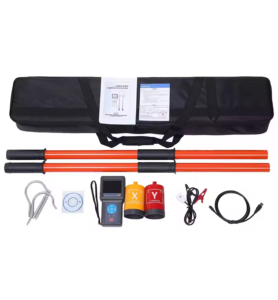
What Is a High Voltage Electroscope?
A high voltage electroscope is a testing device used to detect the presence of voltage in high-voltage electrical systems.
It is commonly used for:
- Voltage detection
- Power outage confirmation
- Phase verification
- Substation maintenance
- Electrical safety inspection
Most modern devices use LED light indicators or sound alarms to show whether voltage is present.
How Does the Light Indication Principle Work?
The light indication principle is based on electric field detection.
When the electroscope approaches an energized conductor:
- The electric field is detected
- Internal circuits respond to the signal
- The LED indicator lights up
- Some models also produce sound alarms
If no voltage is detected, the indicator remains off.
This simple method allows fast voltage checking without direct contact.
Why Can High Voltage Electroscopes Produce Misjudgments?
Although electroscopes are useful, several conditions may cause incorrect readings.
These errors are called misjudgments.
Common reasons include:
- Environmental interference
- Improper operation
- Weak battery
- Nearby energized equipment
- Poor insulation condition
Understanding these risks is important for electrical safety.
What Are the Common Misjudgment Scenarios?
Can Induced Voltage Cause False Indications?
Yes. Induced voltage is one of the most common causes.
Even when a line is disconnected, nearby energized lines may create an electric field.
This may cause:
- False light indication
- Incorrect assumption that the line is energized
Operators may become confused during maintenance work.
Can Weather Conditions Affect Detection Results?
Rain, humidity, fog, and dust may influence the sensitivity of the electroscope.
In humid environments:
- Insulation performance decreases
- Leakage current may increase
- Signal accuracy may become unstable
This can increase misjudgment risk.
Can Battery Problems Cause Incorrect Results?
Yes. Low battery power may reduce detection reliability.
Possible problems include:
- Weak indicator brightness
- Delayed response
- Failure to alarm
- Missed voltage detection
Regular battery inspection is very important.
Can Incorrect Operating Distance Affect Accuracy?
If the tester is too far from the conductor, voltage may not be detected correctly.
If it is too close, interference may increase.
Operators must follow the recommended testing distance in the operation manual.
Can Nearby High-Voltage Equipment Cause Interference?
Yes. In substations, multiple energized devices often operate close together.
Strong electromagnetic fields may interfere with the electroscope and create:
- False alarms
- Incorrect phase judgment
- Unstable indication signals
How Can Operators Avoid High Voltage Electroscope Misjudgment?
Several practical methods can reduce risks.
Why Is Equipment Inspection Important Before Testing?
Before use, operators should check:
- Battery condition
- Insulation rod integrity
- Indicator light function
- Alarm function
- Calibration status
A damaged tester should never be used.
How Can Proper Testing Procedures Reduce Errors?
Operators should:
- Follow standard operating procedures
- Keep safe testing distance
- Avoid rushed operation
- Confirm results multiple times
- Test on known energized equipment before use
This helps improve reliability.
Why Is Environmental Awareness Necessary?
Testing should avoid severe weather whenever possible.
Operators should pay attention to:
- Rain
- Fog
- Strong electromagnetic interference
- Dirty insulation surfaces
Environmental awareness helps reduce false indications.
Why Are Professional Phase Sticks More Accurate?
Compared with ordinary high voltage electroscopes, professional phase sticks provide better accuracy and stability.
Advantages include:
| Ordinary Electroscope | Professional Phase Stick |
|---|---|
| Basic voltage indication | Accurate phase comparison |
| Easily affected by interference | Strong anti-interference ability |
| Simple light indication | Advanced signal processing |
| Higher misjudgment risk | Improved reliability |
| Limited testing functions | Multiple testing applications |
Phase sticks are especially useful in complex substations and high-interference environments.
How Wrindu Testers Stand Out
Wrindu provides advanced phase verification and high-voltage testing solutions for power utilities and industrial users.
High Accuracy Technology
Wrindu testers use advanced signal processing technology to reduce false indications and improve testing reliability.
Strong Anti-Interference Capability
Wrindu phase sticks are designed for complex substation environments with strong electromagnetic interference resistance.
This helps engineers obtain stable and accurate results.
User-Friendly Design
Wrindu testers feature:
- Lightweight construction
- Clear display indicators
- Simple operation
- Durable insulation materials
Field engineers can operate them conveniently and safely.
Reliable Safety Performance
Safety is critical in high-voltage testing.
Wrindu devices support:
- Safe operating distance
- Stable voltage detection
- Reliable insulation performance
This helps reduce operational risk.
What Are the Best Practices for Safe High Voltage Detection?
Recommended best practices include:
- Inspect equipment before every use
- Use certified testing devices
- Follow electrical safety standards
- Wear insulating protective equipment
- Avoid testing in severe weather
- Verify results carefully before operation
Consistent procedures improve both safety and efficiency.
FAQs
What causes false indications in high voltage electroscopes?
False indications are often caused by induced voltage, electromagnetic interference, humidity, or improper operation.
Can induced voltage make a disconnected line appear energized?
Yes. Nearby energized conductors may create induced electric fields that trigger the tester.
Why is battery inspection important for electroscopes?
Low battery power can reduce detection sensitivity and cause incorrect readings.
Are phase sticks more accurate than ordinary electroscopes?
Yes. Professional phase sticks usually provide better anti-interference performance and more reliable phase comparison.
How can operators reduce high voltage electroscope misjudgment risks?
Operators should inspect equipment regularly, follow correct procedures, maintain proper testing distance, and use reliable testing devices.
Can weather affect high voltage testing accuracy?
Yes. Rain, humidity, fog, and dust may affect insulation and signal stability.
Conclusion
High voltage electroscopes are important tools for electrical safety and voltage detection. However, environmental interference, improper operation, and equipment problems may create misjudgment risks.
By understanding common error scenarios and using proper testing methods, operators can improve safety and testing accuracy. Advanced phase testing tools from Wrindu provide stronger anti-interference capability, higher accuracy, and more reliable operation for modern power systems.
