

How Often Should You Perform Ground Resistance Testing? A Complete Maintenance Guide
Learn how often ground resistance testing should be performed, including recommended testing intervals, maintenance schedules, influencing factors, and best practices for electrical safety.
Why Is Regular Ground Resistance Testing Important?
A grounding system is designed to provide a safe path for fault current and protect electrical equipment and personnel.
However, grounding performance can change over time due to:
- Soil condition changes
- Corrosion of grounding electrodes
- Loose connections
- Environmental effects
- Electrical system modifications
Because of these changes, a grounding system that works correctly today may not provide the same performance years later.
Regular ground resistance testing helps verify that the grounding system continues to meet safety requirements and operate reliably.
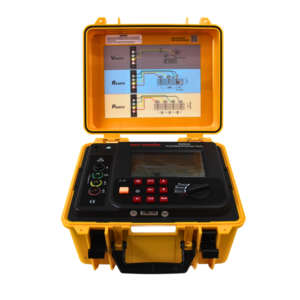
Click the picture to know more about Wrindu Earth Resistance Tester.
How Often Should Ground Resistance Testing Be Performed?
There is no single testing interval suitable for every grounding system.
The recommended frequency depends on:
- Equipment importance
- Installation environment
- Soil conditions
- Industry requirements
- Previous test results
In general, many electrical systems are tested:
- During initial installation
- After repairs or modifications
- During scheduled preventive maintenance
- After abnormal electrical events
Critical electrical infrastructure may require more frequent inspection than standard installations.
When Should a New Grounding System Be Tested?
Testing should be performed after completing a new grounding installation.
Why Is Initial Ground Resistance Testing Necessary?
The first measurement confirms whether the installed grounding system meets the design requirements.
Initial testing helps verify:
- Ground electrode performance
- Grounding conductor connections
- Actual resistance value
- Installation quality
If the measured resistance is higher than expected, engineers can make improvements before the system becomes operational.
When Should Ground Resistance Testing Be Included in Preventive Maintenance?
Preventive testing is one of the most effective ways to maintain grounding reliability.
How Does Regular Testing Help Prevent Electrical Failures?
Periodic measurements allow engineers to identify gradual changes, such as:
- Increasing ground resistance
- Aging electrodes
- Connection deterioration
Finding these problems early helps reduce:
- Equipment damage
- Unexpected shutdowns
- Safety risks
How Often Should Power Substations Be Tested for Ground Resistance?
Power substations require special attention because grounding performance directly affects high-voltage safety.
Why Is Ground Resistance Testing Important for Substations?
Substation grounding systems must safely handle:
- Fault current
- Lightning current
- Switching disturbances
Regular testing helps confirm that:
- Ground grids remain effective
- Connections are reliable
- Safety protection systems can operate correctly
How Often Should Industrial Facilities Test Grounding Systems?
Industrial plants often operate large amounts of electrical equipment.
Why Do Factories Need Regular Ground Resistance Testing?
Industrial environments may experience:
- Machine vibration
- Chemical exposure
- Moisture
- Temperature changes
These conditions can gradually affect grounding connections.
Regular testing helps protect:
- Motors
- Control systems
- Production equipment
- Electrical panels
Should Ground Resistance Be Tested After Electrical Repairs?
Yes.
Any modification that affects the electrical system may influence grounding performance.
What Types of Repairs Require Ground Resistance Testing?
Testing is recommended after:
- Ground electrode replacement
- Cable repairs
- Transformer installation
- Electrical system expansion
- Grounding conductor changes
Verification after repair ensures that the grounding system remains effective.
Should Ground Resistance Be Tested After Lightning Events?
Yes.
Lightning can create extremely high currents that may damage grounding components.
How Can Lightning Affect a Grounding System?
Possible damage includes:
- Burned connections
- Broken grounding conductors
- Damaged electrodes
- Increased resistance paths
A post-lightning inspection helps determine whether repairs are required.
What Factors Determine Ground Resistance Testing Frequency?
Different environmental and operational conditions influence how often testing should be performed.
How Does Soil Condition Affect Testing Frequency?
Soil characteristics can change with:
- Rainfall
- Drought
- Seasonal temperature changes
- Groundwater variation
Areas with unstable soil conditions may require more frequent testing.
How Does Location Affect Grounding Maintenance Requirements?
The installation environment affects grounding system aging.
Examples:
- Coastal areas may experience corrosion due to salt exposure.
- Industrial areas may have chemical influences.
- Dry regions may experience high soil resistance.
Environmental conditions should be considered when creating maintenance plans.
How Does Equipment Importance Affect Testing Frequency?
Critical systems usually require more frequent inspection.
Examples include:
- Power substations
- Hospitals
- Data centers
- Communication facilities
- Industrial production plants
A grounding failure in these locations may cause significant safety and operational problems.
What Signs Indicate That Ground Resistance Testing Is Needed?
Testing should be considered when abnormal conditions appear.
What Are Common Warning Signs of Grounding Problems?
Possible indicators include:
- Electrical protection failures
- Equipment malfunction
- Corroded grounding connections
- Visible damage to grounding conductors
- Unstable electrical operation
A measurement can help determine whether the grounding system is the cause.
How Should Ground Resistance Test Results Be Managed?
Recording test results is important for long-term grounding system evaluation.
Why Is Maintaining Ground Resistance Records Important?
Historical data allows engineers to compare changes over time.
Records can help identify:
- Increasing resistance trends
- Equipment aging
- Maintenance requirements
What Information Should Be Included in Test Reports?
A complete ground resistance test report should include:
- Test date
- Test location
- Measurement method
- Ground resistance value
- Weather conditions
- Equipment information
- Technician details
Detailed records improve future maintenance decisions.
What Happens If Ground Resistance Testing Is Ignored?
Skipping regular testing may create hidden safety risks.
What Problems Can Occur With Poor Grounding Performance?
Possible consequences include:
- Increased electrical shock risk
- Equipment damage
- Incorrect protection operation
- Higher maintenance costs
A grounding system may appear normal externally while its electrical performance has already degraded.
What Is the Best Ground Resistance Testing Method for Maintenance?
Different testing methods are suitable for different situations.
Why Is the 3-Point Fall-of-Potential Method Commonly Used?
The 3-point method provides direct measurement of grounding resistance.
It is widely used for:
- Substations
- Transformers
- Industrial grounding systems
When Are Clamp-On Ground Resistance Tests Useful?
Clamp testing is useful for quick inspections where disconnecting the grounding system is difficult.
Advantages include:
- Faster measurement
- Simple operation
- Minimal system interruption
However, traditional methods may still be required for detailed verification.
How Does Wrindu Help Improve Ground Resistance Maintenance?
Wrindu provides professional electrical testing solutions designed for utilities, industrial facilities, and engineering companies.
Wrindu ground resistance testing equipment helps users perform:
- Accurate grounding measurements
- Efficient maintenance inspections
- Reliable condition evaluations
With practical designs and stable measurement performance, Wrindu supports users in maintaining safer and more reliable electrical systems.
Frequently Asked Questions About Ground Resistance Testing Frequency
How Often Should Ground Resistance Testing Be Performed?
The testing frequency depends on the application, environment, and safety requirements.
Many systems are tested annually or according to maintenance standards, while critical systems may require more frequent testing.
Should Ground Resistance Be Tested Every Year?
Annual testing is common for many electrical systems, but the exact schedule depends on equipment importance and environmental conditions.
When Should Ground Resistance Testing Be Performed Immediately?
Testing should be performed after:
- Lightning events
- Major electrical repairs
- Grounding system modifications
- Equipment failures related to grounding
How Do I Know If My Grounding System Needs Testing?
Warning signs include unstable electrical operation, damaged grounding components, and unexpected protection system behavior.
Does Weather Affect Ground Resistance Testing Results?
Yes.
Rain, drought, temperature, and soil moisture can influence measured resistance values.
Can Ground Resistance Increase Over Time?
Yes.
Aging electrodes, corrosion, loose connections, and soil changes can increase grounding resistance.
Why Should Ground Resistance Test Results Be Compared Over Time?
Trend analysis helps identify gradual degradation and allows maintenance teams to solve problems before failures occur.
Is Ground Resistance Testing Required After Installing a New Transformer?
Yes.
Testing confirms that the transformer grounding system is correctly installed and provides effective protection.
Conclusion
Regular ground resistance testing is essential for maintaining electrical safety and reliable grounding performance.
The correct testing frequency depends on system importance, environmental conditions, and maintenance requirements.
By performing measurements during installation, preventive maintenance, repairs, and after abnormal events, engineers can identify grounding problems early and reduce electrical risks.
Using reliable testing equipment and maintaining detailed records helps ensure that grounding systems continue to protect electrical infrastructure throughout their service life.
