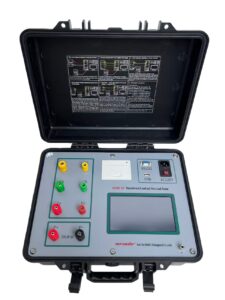

What are IEC Standards for Transformer No Load Loss Testing?
The article is IEC 60076 guide to transformer no load loss testing, limits, and acceptance criteria. Learn how to meet IEC standards and choose compliant test equipment.
IEC standards guide how engineers test and evaluate transformer no load loss. These standards help utilities, manufacturers, and inspectors compare results using the same rules. When engineers follow IEC 60076, they reduce disputes and improve test credibility. Understanding IEC transformer no load loss requirements also helps buyers choose compliant transformers and reliable test equipment.
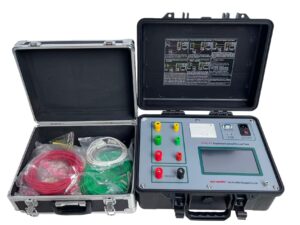
Click the picture to know more about Wrindu Transformer No-load and Load loss Tester.
What Is IEC 60076 and Why Does It Matter for No Load Loss?
IEC 60076 is the core international standard for power transformers. It defines design rules, test methods, and performance limits. For no load loss testing, IEC 60076 ensures that all measurements follow the same conditions and tolerance rules. This allows fair comparison between transformers from different suppliers. Engineers rely on this standard during factory acceptance tests and routine inspections.
How Does IEC Define Transformer No Load Loss?
IEC defines no load loss as the active power absorbed by the transformer when rated voltage energizes the primary winding and the secondary remains open. The standard requires stable rated voltage and sinusoidal waveform during the test. Since no load current remains very small, IEC focuses strongly on accurate power measurement and repeatability. These requirements make IEC transformer no load loss testing more demanding than basic power measurements.
What Are the IEC 60076 Limits for No Load Loss?
IEC 60076 does not publish one fixed loss value. Instead, it defines acceptable tolerance limits based on the guaranteed loss declared by the manufacturer. For no load loss, IEC typically allows a positive tolerance, often up to +15%, depending on transformer rating and contract terms. This means the measured no load loss must not exceed the guaranteed value plus the allowed tolerance. Clear understanding of IEC 60076 limits helps engineers judge compliance correctly.
What Are the Acceptance Criteria in IEC No Load Loss Testing?
Acceptance criteria under IEC focus on comparison rather than absolute numbers. The transformer passes the test when measured no load loss stays within the guaranteed value and IEC tolerance. Engineers must also confirm stable readings and repeatability. If results fluctuate, the test setup or instrument accuracy may not meet IEC requirements. Clear acceptance criteria reduce arguments between buyers and manufacturers.
Why Do IEC Standards Emphasize Measurement Accuracy?
IEC standards recognize that no load loss involves low current and low power factor. These conditions amplify measurement errors. That is why IEC requires high instrument accuracy and proper power analyzers. Ordinary meters often fail under these conditions. Wrindu transformer test systems support IEC testing by offering stable measurement under low power factor and low current, which helps engineers meet standard requirements.
What Instruments Help Meet IEC Transformer No Load Loss Requirements?
To comply with IEC standards, test instruments must deliver accurate voltage, current, and power readings. The power analyzer should handle low power factor and maintain phase accuracy. The system should also resist electromagnetic interference. Wrindu designs transformer testers with IEC compliance in mind, helping users meet acceptance criteria during factory and field tests.
What Common Questions Do Engineers Ask About IEC No Load Loss Testing?
Can General Power Meters Meet IEC No Load Loss Testing Requirements?
No. General power meters usually do not meet IEC requirements. IEC no load loss testing needs high accuracy and stable performance at low power factor. Most general meters cannot deliver reliable results under these conditions.
Why Do No Load Loss Results Exceed IEC Limits Even When the Transformer Seems Normal?
Measurement conditions often cause this issue, not the transformer itself. Unstable voltage, residual core magnetism, and limited instrument resolution can increase measured loss and push results beyond IEC limits.
How Can Engineers Reduce the Risk of Failing IEC No Load Loss Tests?
Use IEC-ready test equipment and follow proper test setup. High-accuracy instruments, stable voltage control, and correct test procedures help ensure results stay within IEC acceptance criteria.
How Does IEC Compliance Support Standards-Based Traffic and Trust?
Web content that explains IEC transformer no load loss attracts standards-based traffic from engineers and buyers searching for compliance guidance. Clear explanations of IEC 60076 limits and acceptance criteria build trust and authority. By aligning test equipment with IEC standards, Wrindu supports both technical accuracy and professional credibility.