

Ground Resistance Testing for Substations: Complete Guide and Applications
Learn how ground resistance testing improves substation safety, including testing methods, common challenges, maintenance practices, and real-world grounding applications.
Why Is Ground Resistance Testing Critical for Power Substations?
Power substations are essential parts of electrical transmission and distribution networks.
A reliable grounding system protects substations by providing a safe path for:
- Fault current
- Lightning current
- Switching surge current
- Leakage current
Unlike simple electrical equipment, substations involve high voltage levels and large fault energy.
If the grounding system does not perform correctly, possible consequences include:
- Dangerous touch voltage
- Equipment damage
- Protection system failure
- Safety risks for maintenance personnel
Ground resistance testing helps engineers confirm that the grounding system can safely handle abnormal electrical conditions.
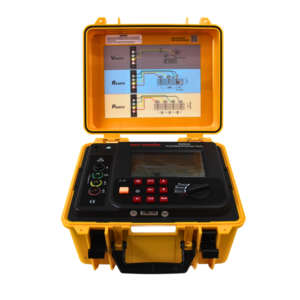
Click the picture to know more about Wrindu Earth Resistance Tester.
How Does a Substation Grounding System Work?
A substation grounding system connects electrical equipment to the earth through a network of conductors and electrodes.
The main components usually include:
- Ground grid conductors
- Grounding electrodes
- Equipment grounding connections
- Transformer neutral grounding points
- Steel structures connected to earth
What Is the Purpose of a Substation Ground Grid?
The ground grid has several important functions:
- Reduce ground potential rise
- Limit touch voltage
- Limit step voltage
- Provide a low-resistance fault current path
A properly designed ground grid improves both personnel safety and equipment reliability.
What Makes Substation Ground Resistance Testing Different From Normal Grounding Tests?
Substation grounding systems are usually larger and more complex than ordinary grounding installations.
Why Are Substation Measurements More Challenging?
Large grounding systems create several testing difficulties:
- Large physical area
- Multiple grounding connections
- Parallel current paths
- Electrical interference from high-voltage equipment
Because of these factors, engineers need appropriate testing methods and professional instruments.
Which Ground Resistance Testing Methods Are Used for Substations?
Different testing methods may be selected depending on the purpose and system condition.
How Does the 3-Point Fall-of-Potential Method Apply to Substations?
The 3-point method measures the resistance between the grounding system and earth.
The test requires:
- Grounding system under test
- Current electrode
- Potential electrode
The tester injects current into the earth and measures the voltage drop to calculate resistance.
This method is commonly used for:
- Small and medium grounding systems
- Equipment grounding checks
- Periodic maintenance testing
When Is the 4-Point Soil Resistivity Method Used in Substation Projects?
The 4-point method is mainly used before construction.
It helps engineers understand:
- Soil electrical characteristics
- Grounding design requirements
- Expected resistance performance
For new substations, soil resistivity testing is often performed before designing the grounding grid.
What Is the Fall-of-Potential Curve Method?
For large substations, engineers may perform a detailed fall-of-potential test by taking multiple measurements at different electrode positions.
The purpose is to identify the stable measurement area.
A reliable test curve helps confirm that:
- Electrode spacing is sufficient
- Resistance areas are not overlapping
- The measured value represents the real grounding condition
What Are the Main Challenges During Substation Ground Resistance Testing?
Why Does Ground Grid Size Affect Measurement Accuracy?
Large substations may have grounding grids extending hundreds of meters.
If auxiliary electrodes are placed too close:
- Measurement zones overlap.
- The result may be lower or higher than the actual value.
Proper test planning is necessary for large grounding networks.
How Does Electrical Interference Affect Substation Testing?
Substations contain many sources of electrical noise, including:
- Power transformers
- Switchgear
- Transmission lines
- Control equipment
Interference may affect voltage measurement and cause unstable readings.
Professional ground resistance testers with noise rejection functions help improve accuracy.
Why Are Parallel Grounding Paths a Problem?
A substation may have multiple connections to earth through:
- Equipment frames
- Cable shields
- Transformer neutrals
- Steel structures
These parallel paths can influence measurement results.
Engineers must understand the grounding system before selecting the test method.
How Is Ground Resistance Testing Performed During Substation Maintenance?
A practical maintenance process usually includes several steps.
Step 1: Review Grounding System Information
Before testing, engineers should review:
- Ground grid drawings
- Previous test reports
- Equipment layout
- Maintenance history
This helps determine the correct testing approach.
Step 2: Inspect Grounding Connections
Visual inspection should check:
- Corrosion
- Loose connections
- Damaged conductors
- Grounding joint conditions
Physical problems may increase grounding resistance.
Step 3: Perform Ground Resistance Measurement
The selected testing method is applied according to the substation design.
Measurements should include:
- Test conditions
- Electrode arrangement
- Environmental information
Step 4: Compare Results With Historical Data
A single measurement provides current condition information.
Comparing results over time helps identify:
- Grounding degradation
- Unexpected resistance increases
- Maintenance requirements
What Factors Can Increase Substation Ground Resistance?
How Does Corrosion Affect Grounding Performance?
Grounding components are often installed underground and exposed to moisture.
Over time, corrosion may affect:
- Ground rods
- Conductors
- Connection points
Corrosion increases resistance and reduces grounding reliability.
How Does Soil Drying Influence Ground Resistance?
Seasonal changes can significantly affect grounding performance.
For example:
- Dry seasons may increase soil resistance.
- Rainy seasons may reduce resistance.
Long-term monitoring helps engineers understand these changes.
How Does Grounding System Aging Affect Performance?
A grounding system may gradually deteriorate because of:
- Material aging
- Mechanical damage
- Environmental exposure
Regular testing helps detect these changes before safety problems occur.
What Are Real-World Examples of Substation Ground Resistance Testing Applications?
Example 1: Aging Substation Ground Grid Inspection
An electrical utility performed periodic testing on an older substation.
The measurement showed that grounding resistance had increased compared with previous records.
Further inspection found:
- Corroded underground connections
- Damaged grounding conductors
After repairs, the grounding performance returned to acceptable levels.
This demonstrates why trend-based testing is important.
Example 2: New Substation Construction Project
During a new substation project, engineers first performed soil resistivity testing.
Based on the results, they designed:
- Ground grid size
- Electrode arrangement
- Conductor layout
After installation, ground resistance testing verified that the completed system met the expected design requirements.
Example 3: Industrial Substation Expansion
An industrial facility expanded its electrical system by adding new transformers.
Engineers performed grounding tests after the upgrade to confirm:
- New equipment grounding connections
- Overall grounding system performance
- Electrical safety compliance
How Can Engineers Improve Substation Ground Resistance Testing Accuracy?
Use the Correct Testing Method
The testing method should match the application.
Examples:
- New grounding design → Soil resistivity testing
- Existing grounding verification → Ground resistance testing
Perform Measurements Under Suitable Conditions
Engineers should consider:
- Weather conditions
- Soil moisture
- Electrical activity nearby
Testing under stable conditions improves data reliability.
Maintain Complete Test Records
A professional maintenance program should track:
- Previous resistance values
- Test dates
- Equipment conditions
- Repair history
Historical information supports better decision-making.
How Does Wrindu Support Substation Ground Resistance Testing?
Wrindu provides electrical testing solutions designed for power utilities, engineering companies, and industrial users.
Wrindu grounding test equipment supports:
- Accurate earth resistance measurement
- Reliable field operation
- Efficient maintenance testing
- Long-term grounding condition evaluation
With professional testing technology and practical designs, Wrindu helps engineers improve substation safety and electrical system reliability.
Frequently Asked Questions About Substation Ground Resistance Testing
What Is the Purpose of Substation Ground Resistance Testing?
It verifies whether the grounding system can safely discharge fault current and protect equipment and personnel.
How Often Should Substation Ground Resistance Testing Be Performed?
The frequency depends on utility requirements, environmental conditions, and system importance.
Many substations are tested periodically as part of preventive maintenance.
Which Method Is Best for Large Substation Grounding Systems?
The appropriate method depends on grounding system size and testing purpose.
The fall-of-potential method is commonly used, while additional techniques may be required for complex systems.
Why Do Substation Ground Resistance Values Change Over Time?
Changes may occur due to:
- Corrosion
- Soil conditions
- Grounding system aging
- Environmental changes
Can Ground Resistance Testing Be Performed Without Shutting Down the Substation?
In many cases, testing can be performed without complete shutdown, but safety procedures and system conditions must be considered.
What Is an Acceptable Substation Ground Resistance Value?
The acceptable value depends on:
- System voltage level
- Grounding design
- Safety requirements
- Applicable standards
There is no single value suitable for every substation.
Why Is Soil Resistivity Testing Important Before Building a Substation?
It provides information needed to design an effective grounding system before construction.
What Equipment Is Used for Substation Ground Resistance Testing?
Engineers typically use professional ground resistance testers with suitable electrodes, cables, and measurement functions.
Conclusion
Ground resistance testing is a key part of substation safety management.
Unlike simple grounding inspections, substation testing requires careful consideration of grounding grid size, electrical interference, soil conditions, and system complexity.
By selecting the correct testing method, analyzing historical data, and performing regular inspections, engineers can maintain reliable grounding performance.
For power utilities and industrial facilities, accurate ground resistance testing helps reduce electrical risks, improve equipment protection, and ensure long-term operational reliability.
