

PCB Testing in Transformer Oil: Methods, Procedures, and Laboratory Analysis
Explore PCB testing methods, including GC-ECD, GC-MS, sample extraction, and laboratory procedures for analyzing insulating oil contamination.
PCB testing in transformer oil helps identify polychlorinated biphenyl contamination in electrical insulating liquids. It is especially important for older transformers, equipment with an unknown maintenance history, and oil that may have contacted contaminated equipment.
Unlike routine transformer oil tests, PCB analysis requires a dedicated analytical method. Gas chromatography with an electron capture detector (GC-ECD) is commonly used for PCB determination in insulating liquids.
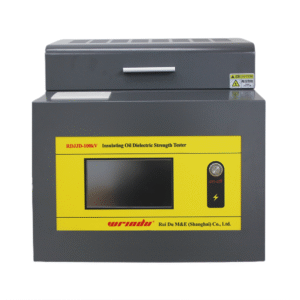
Click the image to know more about Wrindu Oil BDV Tester.
Why Is PCB Testing in Transformer Oil Necessary?
PCB is a persistent chemical pollutant that can remain in the environment for a long time. It was previously used in some electrical insulating liquids because of its electrical and thermal properties.
PCB contamination can create health, environmental, and waste management risks. Equipment owners need reliable test results before handling, reusing, transporting, or disposing of potentially contaminated oil.
PCB testing is particularly relevant in these situations:
- Older transformers with incomplete oil records.
- Equipment purchased from unknown sources.
- Transformers suspected of cross-contamination.
- Reclaimed or recycled insulating oil.
- Transformer decommissioning and waste disposal.
- Environmental compliance inspections.
Which Methods Are Used for PCB Testing in Transformer Oil?
Two analytical techniques are commonly considered for PCB analysis.
| Method | Main function | Application |
|---|---|---|
| GC-ECD | Separates and detects PCB compounds | Routine quantitative PCB analysis using a validated method |
| GC-MS | Separates compounds and identifies them by mass spectrum | Confirmation and detailed PCB analysis using a validated method |
| PCB rapid test kit | Provides preliminary screening | Field screening only |
GC-ECD uses an electron capture detector to detect chlorine-containing compounds with high sensitivity.
GC-MS can provide additional identification information. However, the selected method must be validated for the target PCB compounds and transformer oil matrix.
How Is PCB Tested in Transformer Oil?
PCB analysis generally includes five stages.
- Sample collection: Collect a representative oil sample using suitable sampling procedures.
- Sample extraction: Separate PCB compounds from the mineral oil matrix.
- Sample cleanup: Remove substances that may interfere with chromatographic analysis.
- Instrument analysis: Analyze the prepared sample using GC-ECD or another validated method.
- Result reporting: Calculate PCB concentration and compare it with the applicable regulatory requirements.
Sample preparation is important because transformer oil contains a large amount of hydrocarbon material that can interfere with analysis.
Which Standards Apply to PCB Testing in Transformer Oil?
The following standards are relevant to PCB analysis:
| Standard | Description |
|---|---|
| IEC 61619 | Insulating liquids — Contamination by polychlorinated biphenyls (PCBs) — Method of determination by capillary column gas chromatography |
| ASTM D4059 | Analysis of PCBs in insulating liquids by gas chromatography |
| SN/T 1792-2014 | Determination of PCBs in electrical insulating oil by gas chromatography |
Laboratories should confirm the applicable standard edition, method scope, and regulatory requirements before issuing test reports.
Can Routine Transformer Oil Testing Detect PCB?
No. Routine transformer oil testing does not directly measure PCB concentration.
A BDV tester measures breakdown voltage. A moisture tester measures water content, while a tan delta tester measures dielectric properties.
A conventional DGA gas chromatograph is also different from a PCB analytical system. It is designed to measure dissolved fault gases such as hydrogen, methane, and acetylene.
PCB analysis requires a dedicated analytical method and suitable sample preparation.
What Should You Prepare Before PCB Testing?
Before sending an oil sample to a laboratory, confirm:
- Transformer manufacturer and equipment history.
- Oil type and sampling date.
- Suspected contamination source.
- Required PCB concentration range.
- Applicable testing standard.
- Required reporting limit.
These details help the laboratory select the correct analytical method.
Where Can You Learn More About PCB in Transformer Oil?
PCB contamination and routine oil condition monitoring are two different testing requirements.
Read our complete guide: PCB in Transformer Oil: Testing, Contamination Risks, and Oil Testing Equipment.
Wrindu provides routine transformer oil testing equipment, including BDV, moisture, acidity, and dielectric loss testing instruments. PCB analysis requires separate specialized equipment and is not a function of these routine oil testers.
