

Typical Dielectric Failure Causes in High-Voltage Equipment
Learn the typical dielectric failure causes in high-voltage equipment, including moisture, partial discharge, thermal aging, contamination, and overvoltage stress. Discover how insulation breakdown develops and how preventive testing improves electrical system reliability.
Dielectric failure is one of the most serious problems in electrical power systems. When insulation loses its ability to withstand electrical stress, current can suddenly flow through materials that should normally remain insulated. This may result in flashover, equipment damage, unplanned outages, or even catastrophic system failure.
Understanding the common causes of dielectric failure helps utilities, manufacturers, and maintenance engineers improve equipment reliability and reduce operational risks.
This article explains the typical dielectric failure causes in high-voltage equipment, how insulation breakdown develops, and what preventive measures can help extend insulation lifespan.
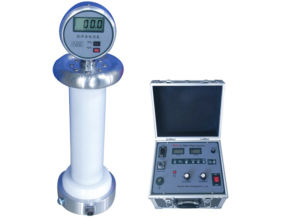
Click the image to know more about DC Withstand Voltage Tester.
What Is Dielectric Failure?
Dielectric failure occurs when an insulating material can no longer resist applied electrical voltage.
Under normal conditions, insulation prevents unwanted current flow between conductors or between energized parts and ground.
When insulation strength weakens beyond its dielectric limit, breakdown occurs and excessive current passes through the insulation material.
This may cause:
- Arc discharge
- Flashover
- Insulation puncture
- Equipment overheating
- Permanent damage
Why Is Dielectric Failure Dangerous in HV Equipment?
High-voltage equipment operates under strong electrical stress.
If dielectric breakdown occurs, the consequences may include:
- Transformer failure
- Cable insulation damage
- Switchgear flashover
- Fire hazards
- Grid instability
- Long-duration outages
Because modern substations handle large power loads, insulation reliability is essential for safe system operation.
Which Equipment Commonly Experiences Dielectric Failure?
Dielectric failure can occur in many electrical systems.
Typical examples include:
- Power transformers
- High-voltage cables
- GIS systems
- Bushings
- Circuit breakers
- Rotating machines
- Capacitors
- Surge arresters
Each system faces different insulation stresses depending on voltage level and operating environment.
How Does Electrical Stress Cause Dielectric Failure?
Electrical stress gradually weakens insulation over time.
High electric fields may create:
- Molecular degradation
- Partial discharge activity
- Insulation heating
- Internal ionization
As deterioration continues, insulation strength decreases until breakdown occurs.
Repeated overvoltage events can accelerate this process significantly.
Can Moisture Cause Dielectric Breakdown?
Yes. Moisture contamination is one of the most common dielectric failure causes.
Water reduces insulation resistance and weakens dielectric strength.
Moisture may enter equipment through:
- Seal leakage
- Condensation
- Damaged breathers
- Aging gaskets
- Poor storage conditions
Moisture contamination is especially dangerous in transformers and cable insulation systems.
Why Does Partial Discharge Lead to Insulation Failure?
Partial discharge (PD) occurs when localized electrical discharges develop inside insulation defects.
PD activity gradually damages insulation through:
- Thermal erosion
- Chemical decomposition
- Surface carbonization
- Internal void expansion
Over time, continuous PD may create complete dielectric breakdown.
Early PD detection is critical for preventing major insulation failures.
How Does Thermal Aging Affect Dielectric Materials?
High operating temperatures accelerate insulation deterioration.
Thermal stress may cause:
- Material hardening
- Loss of flexibility
- Oxidation
- Chemical degradation
- Cracking
As insulation ages thermally, dielectric strength gradually decreases.
Transformers, motors, and generators are especially sensitive to long-term thermal aging.
Can Mechanical Damage Trigger Dielectric Failure?
Mechanical stress can weaken insulation structures and create hidden defects.
Common mechanical causes include:
- Vibration
- Impact damage
- Improper cable bending
- Transportation stress
- Installation errors
Mechanical defects often become initiation points for electrical breakdown.
How Does Contamination Affect Insulation Performance?
Contaminants on insulation surfaces can create conductive paths.
Common contamination sources include:
- Dust
- Salt deposits
- Oil residue
- Industrial pollution
- Carbon particles
Under humid conditions, contaminated insulation may experience surface tracking or flashover.
Outdoor substations near coastal or industrial areas are particularly vulnerable.
Why Are Overvoltages Dangerous to Dielectric Systems?
Overvoltage events expose insulation to stress levels beyond normal design limits.
Possible overvoltage sources include:
- Lightning strikes
- Switching surges
- Fault conditions
- Resonance effects
Repeated overvoltage exposure can gradually weaken dielectric materials and increase breakdown risk.
Can Manufacturing Defects Cause Dielectric Failure?
Yes. Poor manufacturing quality can create insulation weaknesses from the beginning.
Examples include:
- Air voids
- Improper insulation thickness
- Contaminated materials
- Poor curing processes
- Incomplete impregnation
These defects may remain hidden until equipment experiences operational stress.
Quality control testing is essential during manufacturing.
How Does Aging Influence Dielectric Reliability?
All insulation materials naturally deteriorate over time.
Long-term exposure to electrical, thermal, mechanical, and environmental stress gradually reduces dielectric performance.
Aging symptoms may include:
- Increased leakage current
- Reduced insulation resistance
- Higher PD activity
- Cracking
- Brittleness
Condition monitoring helps identify aging insulation before failure occurs.
Why Is Preventive Testing Important for Dielectric Systems?
Preventive testing helps detect insulation deterioration early.
Common diagnostic methods include:
- Insulation resistance testing
- Dielectric withstand testing
- Partial discharge testing
- Tan delta testing
- Leakage current monitoring
- Oil analysis
These tests help maintenance teams identify developing insulation problems before breakdown occurs.
How Can Utilities Reduce Dielectric Failure Risk?
Utilities can improve insulation reliability through several best practices.
Perform Regular Diagnostic Testing
Routine testing identifies early insulation deterioration.
Control Moisture and Contamination
Proper sealing and environmental protection reduce insulation stress.
Monitor Temperature Conditions
Thermal management helps extend insulation lifespan.
Maintain Proper Installation Standards
Correct installation minimizes mechanical and electrical defects.
Use Preventive Maintenance Programs
Trend analysis supports early fault detection and maintenance planning.
How Wrindu Testers Stand Out
As a professional manufacturer of electrical testing equipment, Wrindu provides dependable solutions for insulation diagnostics and dielectric condition assessment in high-voltage applications.
Wrindu testing solutions are designed to support reliable preventive maintenance through:
- Stable high-voltage output performance
- Accurate insulation diagnostic capability
- Durable industrial-grade construction
- User-friendly operation
- Efficient field testing support
- Advanced diagnostic reliability
Wrindu focuses on helping utilities and industrial users improve insulation safety, reduce equipment failure risk, and enhance long-term power system reliability.
What Are the Early Warning Signs of Dielectric Failure?
Several symptoms may indicate developing insulation problems.
Common warning signs include:
- Rising leakage current
- Increased partial discharge
- Abnormal insulation resistance readings
- Excessive heating
- Oil contamination
- Flashover marks
- Frequent protective trips
Early detection helps prevent catastrophic failure.
FAQs About Typical Dielectric Failure Causes
What is dielectric failure in electrical equipment?
Dielectric failure occurs when insulation loses its ability to withstand electrical stress and unwanted current passes through the material.
What is the most common cause of dielectric failure?
Moisture contamination, thermal aging, partial discharge, and overvoltage stress are among the most common causes.
Can partial discharge damage insulation?
Yes. Partial discharge gradually erodes insulation materials and may eventually lead to complete breakdown.
Why is moisture dangerous for insulation systems?
Moisture lowers insulation resistance and reduces dielectric strength, increasing breakdown risk.
How does thermal aging affect dielectric materials?
Long-term heat exposure accelerates insulation degradation and weakens dielectric performance.
Can dielectric failure be prevented?
While insulation naturally ages over time, preventive testing and proper maintenance can significantly reduce failure risk.
Which tests help detect dielectric problems early?
Insulation resistance testing, partial discharge testing, tan delta testing, and leakage current analysis are commonly used diagnostic methods.
Conclusion
Dielectric failure remains one of the most important reliability challenges in high-voltage electrical systems. Moisture, thermal aging, partial discharge, contamination, overvoltage stress, and mechanical damage all contribute to insulation deterioration over time.
By understanding the typical causes of dielectric failure and implementing effective preventive maintenance programs, utilities and industrial operators can improve equipment reliability, reduce outages, and extend the service life of critical electrical assets.
